






Silky Lupine
Lupinus sericeus
Silky Lupine is a beautiful flower with soft, silky leaves and colorful blooms. It grows in sunny places and attracts butterflies and bees, making it a happy spot in nature!
Lebensraum: Grasslands
The Silky Lupine has tall, dense spikes of pea-like flowers, often vibrant purple, blue, or sometimes white. Its distinctive leaves are covered in fine, silvery hairs, giving the plant a soft, fuzzy, and silvery-green appearance.
Kategorie
PflanzenSeltenheit
Common
Gefahr
1/5 · Sehr gering
Snaps
Mach den ersten Snap!
Its seeds can stay dormant underground for decades, patiently waiting for the right conditions to sprout!
Many Native American tribes used parts of the Silky Lupine for various traditional purposes.
Silky Lupine flowers are like a special landing strip, guiding bees to their sweet, nutritious nectar!
This plant's super deep roots help it survive long droughts by finding water far underground!
Silky Lupine can enrich the soil with nitrogen, acting like a natural fertilizer, which helps other plants grow too.
Silky Lupine has fuzzy leaves that trap moisture and a deep taproot, helping it survive in dry, sunny environments.
Silky Lupine produces bitter, toxic chemicals, especially in its seeds, deterring many hungry animals from eating them.
Apis mellifera
Collects nectar and pollen from its flowers.

Bombus impatiens
Visits flowers for nectar and helps spread pollen.
Rhizobium leguminosarum
Forms root nodules to fix nitrogen for the plant.
Peromyscus maniculatus
May consume seeds, despite their toxicity to some.
Blütenpflanzen sind alle Pflanzen, die als Teil ihres Fortpflanzungszyklus Blüten bilden.
Beschreibt Organismen, die in der Lage sind, atmosphärischen Stickstoff in für Pflanzen nutzbare Verbindungen umzuwandeln.
Frühlingsblüher bilden ihre Blüten im Frühjahr und kündigen oft das Ende des Winters und den Beginn neuen Wachstums an.
Duftende Blüten verströmen ein angenehmes Aroma, oft um Bestäuber anzulocken oder zur Abwehr.

Beschreibt Pflanzen, die für eine Vielzahl von bestäubenden Organismen besonders attraktiv und nützlich sind.

Farbenfroh beschreibt Organismen oder Objekte, die eine große Vielfalt an leuchtenden und deutlich erkennbaren Farben aufweisen.

Grasland-Lebensräume sind terrestrische Biome, die von Gräsern und krautigen Pflanzen dominiert werden und einer Vielzahl von Weidetieren als Lebensraum dienen.
Noch keine Alternativnamen vorhanden.
Gefahr
1/5 · Sehr gering
Do not eat any flowers or plants without asking an adult first.
30-75 cm
15-30 cm
1-1.5 cm
Late spring to mid-summer
Nein
Mäßig
Mehrjährig
Insekten
Zoome hinein, um Cluster aufzulösen und zu sehen, wo dieses Objekt fotografiert wurde.
Neueste Snaps erscheinen hier, wenn neue Beobachtungen hinzukommen.
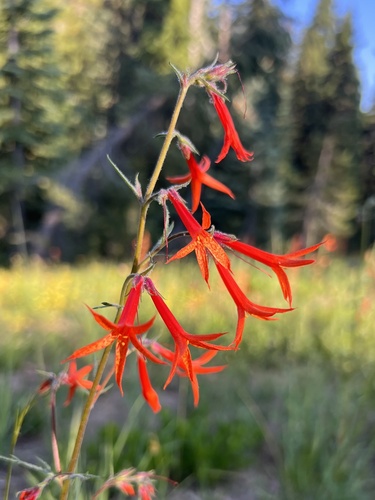
British Columbia, CA
Hier kann man sehen Scarlet Gilia, Great Blanketflower und Solomon's Plume.
Führer anzeigen →
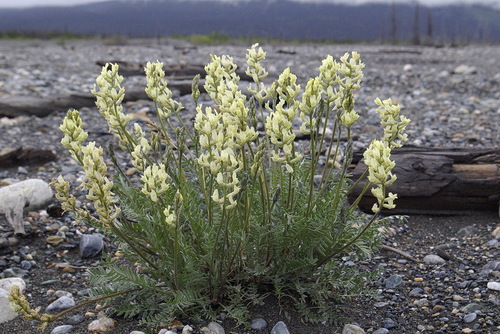
British Columbia, CA
Hier kann man sehen Field Locoweed, Silky Lupine und Wax Currant.
Führer anzeigen →
















