






Silver Pheasant
Lophura nycthemera
The Silver Pheasant is a beautiful bird with shiny silver feathers and a long tail. They live in forests and are known for their striking colors and unique calls.
Lebensraum: Forests
The Silver Pheasant male has striking white plumage with fine black streaks on its back and a very long, sweeping white tail. Its face is adorned with vivid red wattles and a dark crest. Females are duller, mostly brownish-olive with a shorter, plain tail.
Kategorie
VögelSeltenheit
Common
Gefahr
1/5 · Sehr gering
Snaps
Mach den ersten Snap!
Baby pheasants can leave their nest and follow their mom just hours after hatching!
Males grow stunningly long tail feathers, sometimes longer than their whole body!
Their wild home is in the misty mountain forests of Southeast Asia.
They love to dust bathe, rolling in dry soil to keep their feathers clean and healthy.
Silver Pheasants have intricate feather patterns that help them blend into the dappled light and shadows of the dense forest, helping them hide from predators.
Silver Pheasants can burst into flight with powerful wing beats to escape danger quickly, despite not being strong long-distance flyers.
Silver Pheasants have strong legs and claws that help them scratch and dig through leaf litter to find hidden seeds and insects.
They eat a mix of plants and small creatures found by scratching the forest floor.
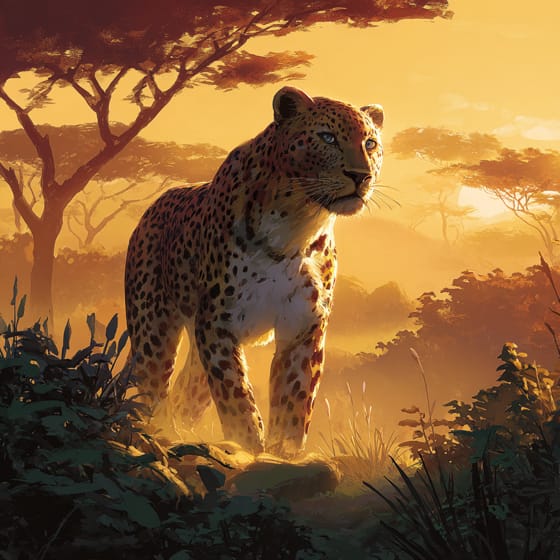
Panthera pardus
Pheasants are prey for big cats.
_cropped.jpg&width=800)
Cuon alpinus
Wild dogs hunt ground-dwelling birds.
Bubo sumatranus
Nocturnal owls prey on sleeping birds.
Gefiedert beschreibt Tiere, hauptsächlich Vögel, die ein Federkleid besitzen.
Einzelgänger leben den größten Teil ihres Lebens allein und interagieren mit Artgenossen nur zur Paarung oder zur Aufzucht der Jungen.
Dieses Merkmal kennzeichnet Organismen, deren Ernährung sowohl pflanzliche als auch tierische Bestandteile umfasst.
Singende Tiere erzeugen komplexe Lautäußerungen, oft um Partner anzulocken, ihr Revier zu verteidigen oder innerhalb ihrer Art zu kommunizieren.

Farbenfroh beschreibt Organismen oder Objekte, die eine große Vielfalt an leuchtenden und deutlich erkennbaren Farben aufweisen.

Getarnt beschreibt Organismen, die über eine Färbung oder Musterung verfügen, durch die sie mit ihrer Umgebung verschmelzen.

Waldlebensräume sind terrestrische Lebensräume, die von dichtem Baumbestand dominiert werden und eine große Vielfalt an Pflanzen- und Tierarten beherbergen.

Tagaktive Tiere sind hauptsächlich bei Tageslicht aktiv und ruhen oder schlafen in der Regel nachts.

Der Status 'Stark gefährdet' bedeutet, dass eine Art in naher Zukunft einem sehr hohen Risiko ausgesetzt ist, in freier Wildbahn auszusterben.
Noch keine Alternativnamen vorhanden.
Gefahr
1/5 · Sehr gering
Always watch birds from a distance and do not try to touch or catch them.
70-125 cm
60-80 cm
0.9-1.7 kg
10-15 Jahre
40 km/h
They eat a mix of plants and small creatures found by scratching the forest floor.
Forests
Foraging
Zoome hinein, um Cluster aufzulösen und zu sehen, wo dieses Objekt fotografiert wurde.
Neueste Snaps erscheinen hier, wenn neue Beobachtungen hinzukommen.









.jpg&width=800)

