Silver-spotted Tiger Moth
Lophocampa argentata
The Silver-spotted Tiger Moth is a beautiful insect with soft, furry wings. It has silver spots that make it look like it's wearing a fancy coat. These moths are often seen flying at night and are attracted to lights.
Lebensraum: Urban areas, Gardens, Forests
The Silver-spotted Tiger Moth has bright yellow forewings covered in irregular black spots and striking, metallic silver-white patches. Its body is yellow with black dots, and its hindwings are a plain, light yellow. This combination of bold colors makes it stand out.
Kategorie
InsektenSeltenheit
Common
Gefahr
1/5 · Sehr gering
Snaps
Mach den ersten Snap!
Adult Silver-spotted Tiger Moths have no mouthparts and don't eat at all!
Its 'woolly bear' caterpillar can survive freezing by making natural antifreeze!
The dazzling silver spots on its wings aren't just pretty, they actually shimmer like metal!
When threatened, its hairy caterpillar can roll into a tight ball for protection!
Silver-spotted Tiger Moth caterpillars have spiky hairs that make them prickly and unappetizing to most predators.
The adult moth has metallic silver spots on its wings that can flash in light, possibly confusing predators.
Silver-spotted Tiger Moths can fly without eating because they store all their energy as caterpillars.
Caterpillars munch on conifer needles, while adult moths don't eat at all!
Altersunterschiede: Caterpillars feed on conifer needles; adults do not feed.
Pseudotsuga menziesii
Caterpillars feed on its needles.
Myotis lucifugus
Bats are nocturnal predators of moths.
Phorocera rusti
Its larvae develop inside the moth caterpillar.
Pelzig beschreibt Tiere, die eine dichte Schicht aus weichen Haaren oder Fell besitzen.
Mit Flecken oder farblich abgesetzten Bereichen gezeichnet.
Einzelgänger leben den größten Teil ihres Lebens allein und interagieren mit Artgenossen nur zur Paarung oder zur Aufzucht der Jungen.
Farbenfroh beschreibt Organismen oder Objekte, die eine große Vielfalt an leuchtenden und deutlich erkennbaren Farben aufweisen.

Getarnt beschreibt Organismen, die über eine Färbung oder Musterung verfügen, durch die sie mit ihrer Umgebung verschmelzen.

Dieses Merkmal kennzeichnet Lebewesen, deren Ernährung vollständig oder hauptsächlich aus pflanzlichem Material besteht.

Waldlebensräume sind terrestrische Lebensräume, die von dichtem Baumbestand dominiert werden und eine große Vielfalt an Pflanzen- und Tierarten beherbergen.

Dieses Lebensraummerkmal weist auf Arten hin, die in städtischen und vorstädtischen Umgebungen mit Menschen zusammenleben können und von Menschen geschaffene Strukturen sowie Grünflächen nutzen.

Nachtaktive Tiere sind hauptsächlich in den Nachtstunden aktiv und ruhen oder schlafen normalerweise tagsüber.

Beschreibt Organismen, die Pollen übertragen und so die Befruchtung und Fortpflanzung von Pflanzen ermöglichen.
Noch keine Alternativnamen vorhanden.
Gefahr
1/5 · Sehr gering
Moths are usually safe to watch, but don't touch them as they can be delicate.
30-40 mm
15-20 mm
7-14 Tage
Caterpillars munch on conifer needles, while adult moths don't eat at all!
Urban areas, Gardens, Forests
Foraging
6
Zoome hinein, um Cluster aufzulösen und zu sehen, wo dieses Objekt fotografiert wurde.
Neueste Snaps erscheinen hier, wenn neue Beobachtungen hinzukommen.
.jpg)
California, US
Hier kann man sehen Long-Billed Curlew, Snowy Plover und Sanderling.
Führer anzeigen →

British Columbia, CA
Hier kann man sehen Western Skunk Cabbage, Western Sword Fern und Fliegenpilz.
Führer anzeigen →

British Columbia, CA
Hier kann man sehen Rauchschwalbe, Pelagic Cormorant und Seelöwe.
Führer anzeigen →
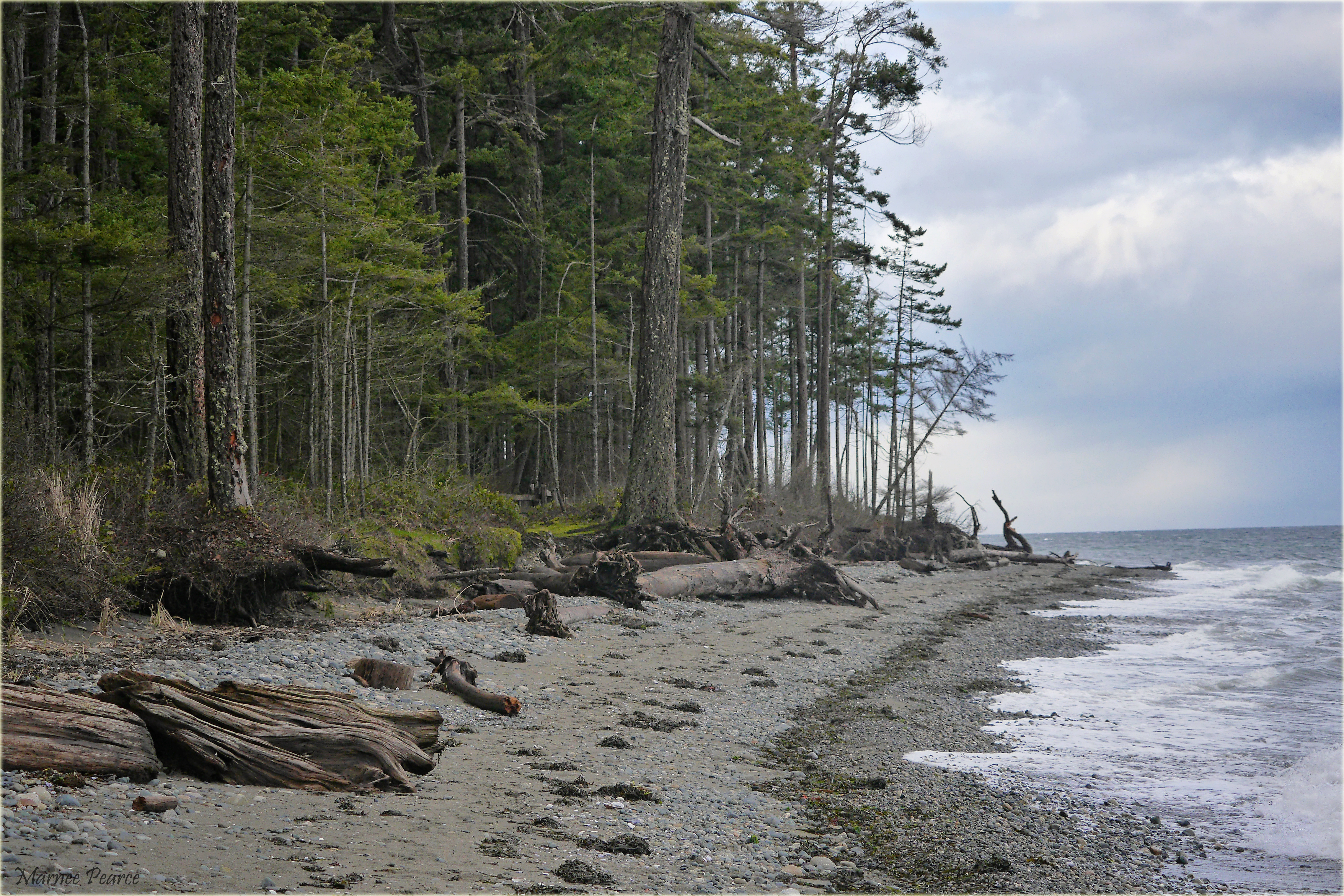
British Columbia, CA
Hier kann man sehen Wildkaninchen, Yellow Shore Crab und Nootka Rose.
Führer anzeigen →

British Columbia, CA
Hier kann man sehen Pacific Sanicle, Ivy und Pacific Madrone.
Führer anzeigen →
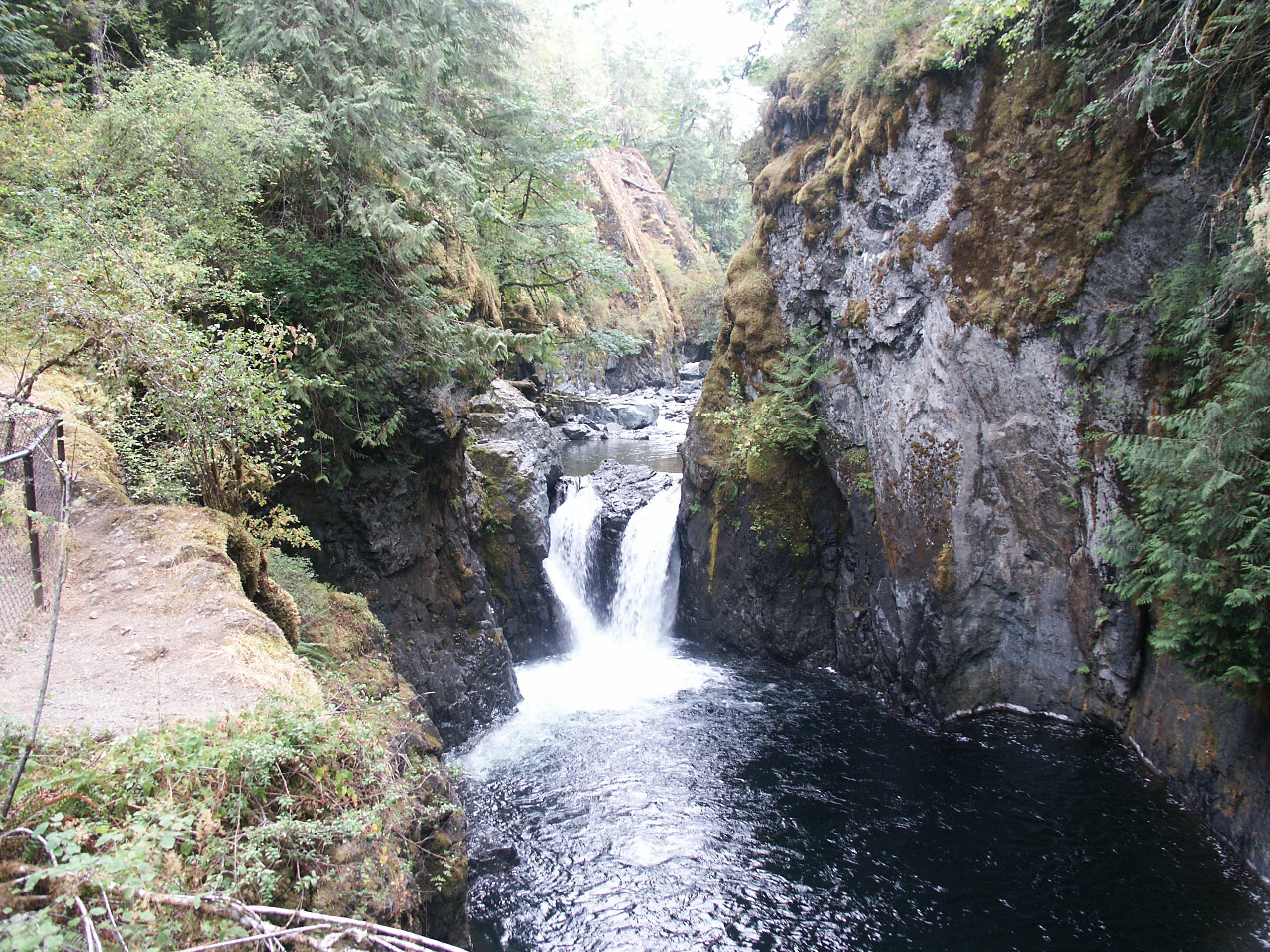
British Columbia, CA
Hier kann man sehen Vanilla Leaf, Western Maidenhair Fern und Salal.
Führer anzeigen →