




Six-Banded Armadillo
euphractus sexcinctus
The Six-Banded Armadillo is a small, cute creature known for its unique shell. It loves to dig in the ground and can roll into a ball when it feels scared!
Lebensraum: Grasslands and forests in South America.
The Six-Banded Armadillo has a yellowish-brown to dark brown body with a pale belly. Its most distinctive feature is its armor-plated shell, featuring six flexible bands across its back. It has short legs, a long, pointed snout, and small eyes.
Kategorie
SäugetiereSeltenheit
Common
Gefahr
0/5 · Keine bekannte Gefahr
Snaps
Mach den ersten Snap!
A Six-Banded Armadillo can eat up to 200,000 ants and termites daily!
Their name "armadillo" means "little armored one" in Spanish!
They have a surprisingly low body temperature compared to most mammals!
They use their long, sticky tongue to slurp up insects fast!
Six-Banded Armadillos can dig burrows and forage for food with powerful claws and strong legs that help them excavate soil rapidly.
Six-Banded Armadillos can hold their breath for several minutes, allowing them to cross shallow water bodies by walking on the bottom.
Six-Banded Armadillos have an excellent sense of smell that helps them locate insects, roots, and other food items hidden underground.
These omnivores love to dig for insects, fruits, roots, and even scavenge for bits of carrion.
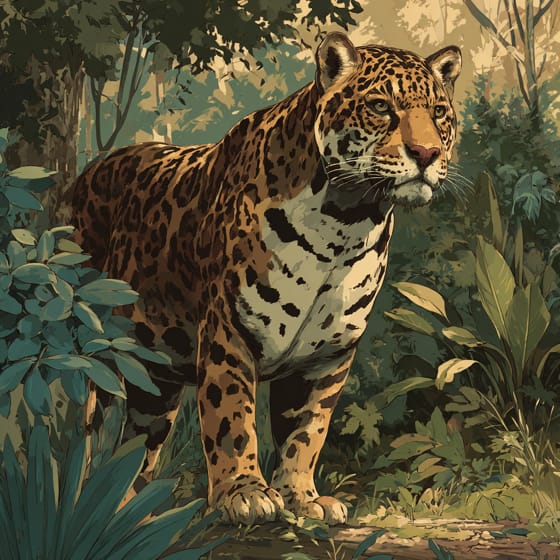
Panthera onca
A primary predator
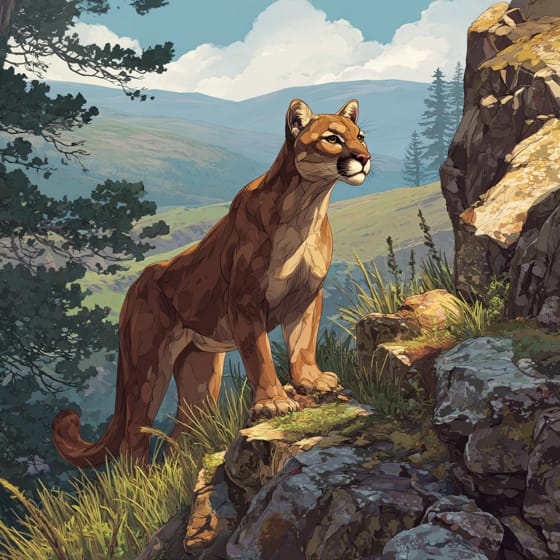
Puma concolor
Hunts these armadillos
Formica rufa
A common food source
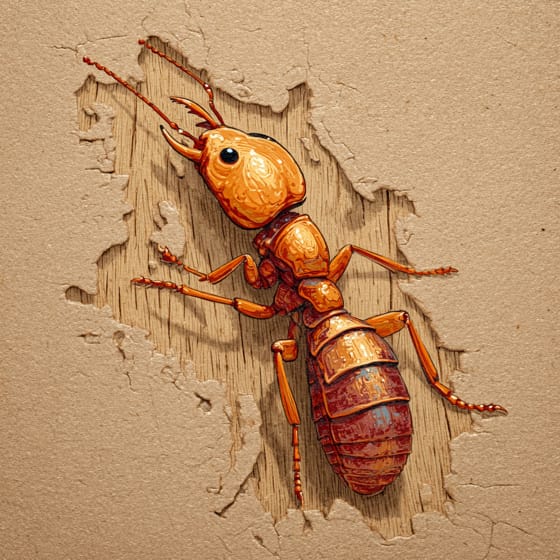
Cornitermes cumulans
Eats these termites
Mit Flecken oder farblich abgesetzten Bereichen gezeichnet.
Einzelgänger leben den größten Teil ihres Lebens allein und interagieren mit Artgenossen nur zur Paarung oder zur Aufzucht der Jungen.
Grabende Tiere heben Tunnel und Kammern im Erdboden aus und nutzen diese unterirdischen Strukturen als Unterschlupf, zur Jagd oder zur Fortpflanzung.
Dieses Merkmal kennzeichnet Organismen, deren Ernährung vollständig oder hauptsächlich aus tierischem Gewebe besteht.

Nachtaktive Tiere sind hauptsächlich in den Nachtstunden aktiv und ruhen oder schlafen normalerweise tagsüber.
Gefahr
0/5 · Keine bekannte Gefahr
Noch keine besonderen Sicherheitshinweise.
55-75 cm
3-6.5 kg
10-15 Jahre
18 km/h
These omnivores love to dig for insects, fruits, roots, and even scavenge for bits of carrion.
Grasslands and forests in South America.
Foraging
1-3
Zoome hinein, um Cluster aufzulösen und zu sehen, wo dieses Objekt fotografiert wurde.
Neueste Snaps erscheinen hier, wenn neue Beobachtungen hinzukommen.