






small camas
Camassia quamash
Small camas is a pretty flower that grows in fields and meadows. It has bright blue petals and is loved by bees and butterflies. These flowers bloom in spring and are a special sight in nature!
Lebensraum: Grasslands
The small camas has tall, slender stalks topped with clusters of star-shaped flowers, usually a vibrant lavender-blue or white. Its narrow, grass-like leaves emerge from the base, making it visually distinct from its showy blooms.
Kategorie
PflanzenSeltenheit
Common
Gefahr
1/5 · Sehr gering
Snaps
Mach den ersten Snap!
After wildfires, dormant camas bulbs can quickly sprout, helping to reseed and restore burned areas!
Each stalk can have dozens of beautiful, individual flowers, but each one only lasts about a day!
Its edible bulb looks just like the deadly poisonous 'death camas' bulb – so don't eat it raw!
Native Americans widely harvested and roasted camas bulbs, often in huge underground ovens!
Small camas has a deep underground bulb that stores energy, helping it survive fires and harsh winters.
Small camas can thrive in wet meadows and prairies, adapting its roots to various soil moistures.
Small camas clusters many vibrant, star-shaped flowers to create a bright target for busy insect pollinators.
Apis mellifera
Attracted to the nectar.

Marmota flaviventris
Bulbs are dug up.
Cervus canadensis
Bulbs and foliage.
Blütenpflanzen sind alle Pflanzen, die als Teil ihres Fortpflanzungszyklus Blüten bilden.
Blütenbüschel sind Blütenstände, bei denen einzelne Blüten dicht beieinander an einem gemeinsamen Stängel angeordnet sind.
Frühlingsblüher bilden ihre Blüten im Frühjahr und kündigen oft das Ende des Winters und den Beginn neuen Wachstums an.
Duftende Blüten verströmen ein angenehmes Aroma, oft um Bestäuber anzulocken oder zur Abwehr.

Beschreibt Pflanzen, die für eine Vielzahl von bestäubenden Organismen besonders attraktiv und nützlich sind.

Essbare Pflanzen sind diejenigen Pflanzenteile, die für den menschlichen Verzehr als unbedenklich gelten.

Grasland-Lebensräume sind terrestrische Biome, die von Gräsern und krautigen Pflanzen dominiert werden und einer Vielzahl von Weidetieren als Lebensraum dienen.
Noch keine Alternativnamen vorhanden.
Gefahr
1/5 · Sehr gering
Do not eat any wild plants unless you are sure they are safe and have permission from an adult.
20-60 cm
10-20 cm
2-5 cm
Late spring to early summer
Ja
Keine
Mehrjährig
Insekten
Zoome hinein, um Cluster aufzulösen und zu sehen, wo dieses Objekt fotografiert wurde.
Neueste Snaps erscheinen hier, wenn neue Beobachtungen hinzukommen.
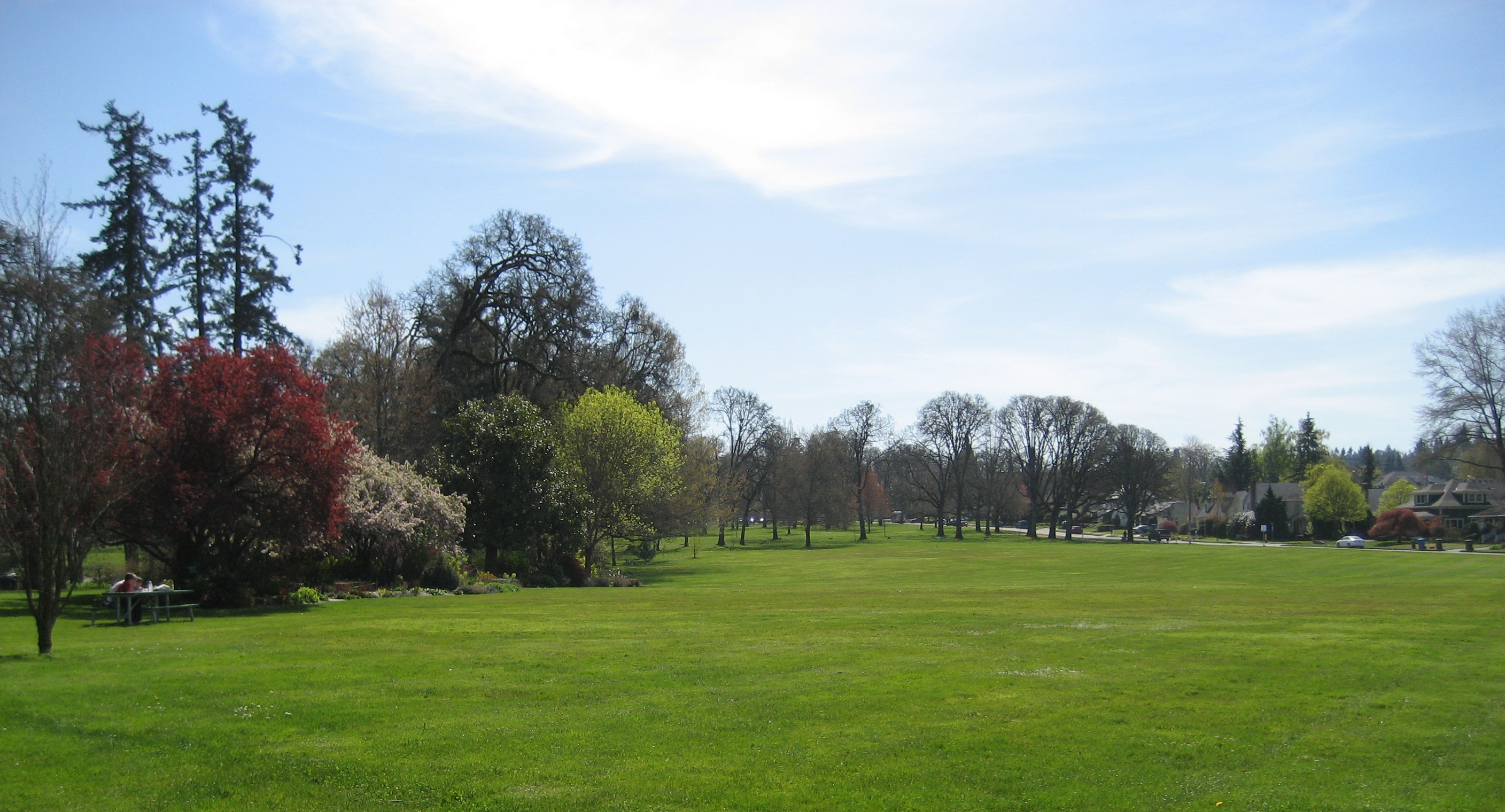
Oregon, US
Hier kann man sehen Oregon Oak und Douglas's Ground Squirrel.
Führer anzeigen →

Washington, US
Hier kann man sehen Rotfuchs, Ghost Pipe und Brombeerstrauch.
Führer anzeigen →


















