






Snowbrush Ceanothus
Ceanothus velutinus
The Snowbrush Ceanothus is a lovely shrub with shiny green leaves and beautiful white flowers. It grows in the wild and smells sweet, especially when you touch its leaves!
Lebensraum: Mountain regions
The Snowbrush Ceanothus is an evergreen shrub with dark green, glossy, leathery leaves that often feel sticky to the touch. It produces dense, frothy clusters of tiny, fragrant white flowers that blanket its branches, making it look like it's dusted with snow.
Kategorie
PflanzenSeltenheit
Common
Gefahr
1/5 · Sehr gering
Snaps
Mach den ersten Snap!
Indigenous people once used Snowbrush wood to start fires by rubbing sticks together!
Its name 'Snowbrush' comes from how its white flowers blanket hillsides like fresh snow!
Many animals, like deer and elk, munch on its leaves, especially when other food is scarce!
This plant's shiny, waxy leaves stay green all year, providing food even in winter!
Snowbrush Ceanothus can vigorously re-sprout from its root crown after wildfires, and its seeds often need fire's heat to germinate.
Snowbrush Ceanothus has special root nodules that partner with tiny bacteria to pull nitrogen gas from the air, fertilizing the soil around it.
Snowbrush Ceanothus has thick, waxy leaves that help it store water and reduce moisture loss, allowing it to thrive in dry, sunny places.
Apis mellifera
collects nectar and pollen
Odocoileus hemionus
browses on leaves and twigs
Bombus occidentalis
visits flowers for nectar
Cervus canadensis
grazes on foliage, especially in winter
Aromatische Pflanzen produzieren und verströmen duftende flüchtige organische Verbindungen, oft zur Abwehr oder um Bestäuber anzulocken.
Blütenpflanzen sind alle Pflanzen, die als Teil ihres Fortpflanzungszyklus Blüten bilden.
Frühlingsblüher bilden ihre Blüten im Frühjahr und kündigen oft das Ende des Winters und den Beginn neuen Wachstums an.
Ein Strauch ist eine verholzende Pflanze, die kleiner als ein Baum ist und typischerweise mehrere Stämme hat, die sich ab oder nahe dem Boden verzweigen.

Duftende Blüten verströmen ein angenehmes Aroma, oft um Bestäuber anzulocken oder zur Abwehr.

Immergrüne Pflanzen behalten ihr Laub das ganze Jahr über und werfen nie alle Blätter auf einmal ab.

Beschreibt Pflanzen, die für eine Vielzahl von bestäubenden Organismen besonders attraktiv und nützlich sind.

Dieses Lebensraummerkmal kennzeichnet Arten, die in Bergregionen vorkommen, welche sich durch große Höhen, steile Hänge und unterschiedliche Klimazonen auszeichnen.
Noch keine Alternativnamen vorhanden.
Gefahr
1/5 · Sehr gering
Always look but don't touch plants unless you know they're safe.
100-400 cm
100-300 cm
0.5-1 cm
Late spring to early summer
Nein
Keine
Mehrjährig
Insekten
Zoome hinein, um Cluster aufzulösen und zu sehen, wo dieses Objekt fotografiert wurde.
Neueste Snaps erscheinen hier, wenn neue Beobachtungen hinzukommen.

Washington, US
Hier kann man sehen Westlicher Zaunleguan und Maultierhirsch.
Führer anzeigen →
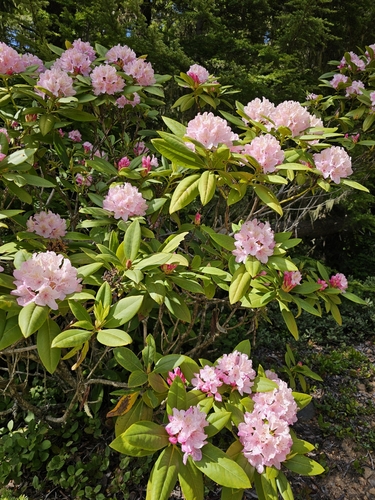
British Columbia, CA
Hier kann man sehen Pacific Rhododendron, Vanilla Leaf und Pacific Trillium.
Führer anzeigen →
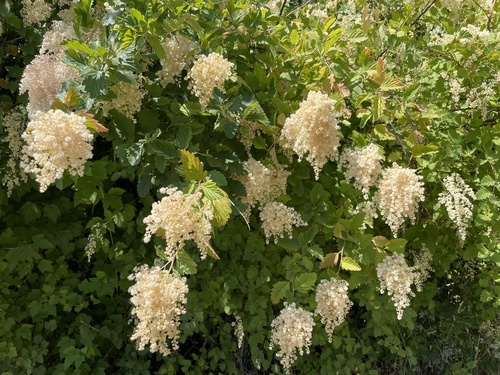
British Columbia, CA
Hier kann man sehen Ocean Spray, Rocky Mountain Woodsia und Prairie Smoke.
Führer anzeigen →
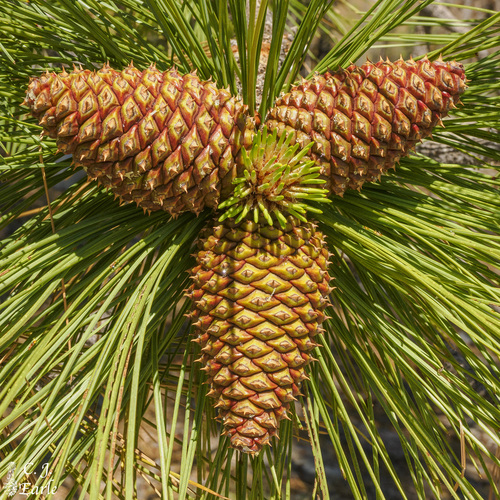
California, US
Hier kann man sehen Jeffrey Pine und Pandora Pinemoth.
Führer anzeigen →









.jpg&width=800)


