
_Female_Dos.jpg&width=800)





Spongy Moth
Lymantria dispar
The Spongy Moth is a fuzzy caterpillar that turns into a pretty moth. It has soft, spongy-looking hairs that help it stay safe from birds and other animals.
Lebensraum: Forests
The Spongy Moth is sexually dimorphic. Males are smaller, brownish with feathery antennae. Females are larger, whitish with subtle dark wavy lines on their wings and slender antennae. Its fuzzy, buff-colored egg masses are also a key visual indicator.
Kategorie
InsektenSeltenheit
Common
Gefahr
2/5 · Gering
Snaps
Mach den ersten Snap!
Adult moths don't even have mouths to eat, they just mate and lay eggs!
Caterpillars can drop from trees on silk threads to travel to new leaves!
Males can fly during the day, but females almost never fly at all!
Spongy Moth eggs survive harsh winters hidden in fuzzy, protective masses!
Spongy Moth caterpillars can devour vast amounts of tree leaves, defoliating forests that helps them grow rapidly.
Male Spongy Moths can navigate long distances using sensitive antennae to sniff out female pheromones that helps them find mates.
Female Spongy Moths lay fuzzy, buff-colored egg masses that blend seamlessly into tree bark, helping them protect offspring from predators.
Female Spongy Moths are often flightless, which helps them lay all their eggs in one concentrated spot, ensuring immediate food for hatching larvae.
Hungry caterpillars munch leaves from hundreds of different trees and plants.
Altersunterschiede: Only the caterpillar stage eats; adult moths do not feed.
Cuculus canorus
Preys on Spongy Moth caterpillars in its native range.
Apanteles disparis
Larvae parasitize Spongy Moth caterpillars.
Quercus alba
A primary food source for Spongy Moth caterpillars.
Sorex araneus
Consumes Spongy Moth pupae on the forest floor.
Pelzig beschreibt Tiere, die eine dichte Schicht aus weichen Haaren oder Fell besitzen.
Einzelgänger leben den größten Teil ihres Lebens allein und interagieren mit Artgenossen nur zur Paarung oder zur Aufzucht der Jungen.
Dieses Merkmal kennzeichnet Lebewesen, deren Ernährung vollständig oder hauptsächlich aus pflanzlichem Material besteht.
Waldlebensräume sind terrestrische Lebensräume, die von dichtem Baumbestand dominiert werden und eine große Vielfalt an Pflanzen- und Tierarten beherbergen.

Nachtaktive Tiere sind hauptsächlich in den Nachtstunden aktiv und ruhen oder schlafen normalerweise tagsüber.

Beschreibt Organismen, die Pollen übertragen und so die Befruchtung und Fortpflanzung von Pflanzen ermöglichen.
Gefahr
2/5 · Gering
Don't touch the caterpillars, as their hairs can irritate your skin.
25-70 mm
12-35 mm
7-14 Tage
5-15 km/h
Hungry caterpillars munch leaves from hundreds of different trees and plants.
Forests
Foraging
6
Zoome hinein, um Cluster aufzulösen und zu sehen, wo dieses Objekt fotografiert wurde.
Neueste Snaps erscheinen hier, wenn neue Beobachtungen hinzukommen.
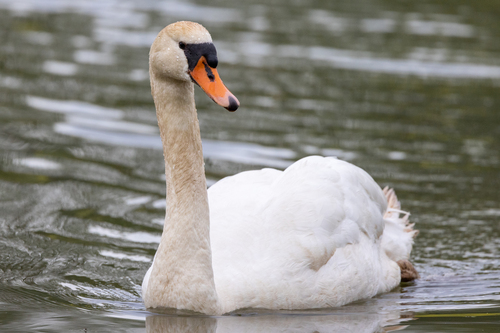
New York, US
Hier kann man sehen Höckerschwan, Ente und Haussperling.
Führer anzeigen →

Pennsylvania, US
Hier kann man sehen Grey Alder, Sensitive Fern und Interrupted Clubmoss.
Führer anzeigen →

Wisconsin, US
Hier kann man sehen Partridgeberry, Bluebead Lily und Cinnamon Fern.
Führer anzeigen →
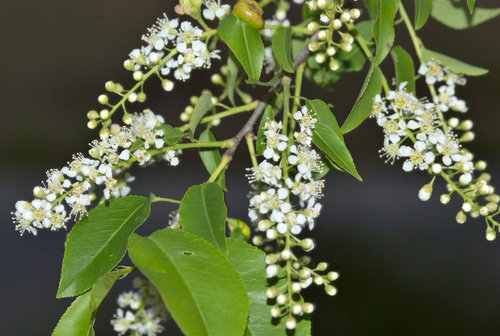
New York, US
Hier kann man sehen Späte Traubenkirsche.
Führer anzeigen →
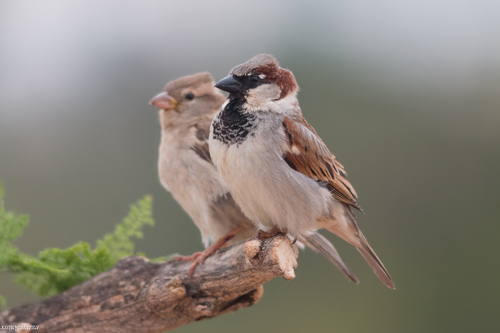
Andalusia, ES
Hier kann man sehen Haussperling, Uhu und Spongy Moth.
Führer anzeigen →

Louisiana, US
Hier kann man sehen Sharp-Lobed Hepatica und Purple-Flowered Raspberry.
Führer anzeigen →











.jpg&width=800)


