






Spoonleaf Sundew
drosera intermedia
The Spoonleaf Sundew is a fascinating plant that catches tiny bugs with its sticky leaves! Kids will love to learn how this plant eats insects to get nutrients from them.
Lebensraum: Wetlands and boggy areas
The Spoonleaf Sundew has small, spoon-shaped leaves arranged in a rosette, often tinged with striking red or orange hues. Its leaves are covered in glistening, clear sticky droplets that look like morning dew, designed to trap tiny insects. It produces tiny white or pale pink flowers on a slender stalk.
Kategorie
PflanzenSeltenheit
Common
Gefahr
0/5 · Keine bekannte Gefahr
Snaps
Mach den ersten Snap!
It often grows right next to Sphagnum moss, which helps create its perfect wetland home!
Its name, Drosera, comes from a Greek word meaning 'dewy' because of its sparkling leaves!
Some sundews have been observed to move their sticky tentacles in just seconds to trap prey!
This amazing plant can actually live for many years, making it a long-lived bog resident!
Spoonleaf Sundew can catch small insects using sticky, glistening dewdrops on its leaves that act like flypaper.
Spoonleaf Sundew can digest its insect prey with special enzymes to get extra nutrients its boggy soil lacks.
Spoonleaf Sundew has leaves that can slowly curl inward, enveloping trapped insects to ensure a successful meal.
Drosophila melanogaster
A common small insect that often becomes a meal.
Apis mellifera
These insects help transfer pollen between flowers, aiding reproduction.
Sphagnum cuspidatum
Often grows directly in dense mats of this moss for its acidic habitat.
Einzelgänger leben den größten Teil ihres Lebens allein und interagieren mit Artgenossen nur zur Paarung oder zur Aufzucht der Jungen.
Farbenfroh beschreibt Organismen oder Objekte, die eine große Vielfalt an leuchtenden und deutlich erkennbaren Farben aufweisen.
Dieses Merkmal kennzeichnet Organismen, deren Ernährung vollständig oder hauptsächlich aus tierischem Gewebe besteht.
Aquatische Lebensräume umfassen Umgebungen, in denen Organismen überwiegend im Wasser leben, darunter Ozeane, Flüsse, Seen und Feuchtgebiete.

Der Status 'Stark gefährdet' bedeutet, dass eine Art in naher Zukunft einem sehr hohen Risiko ausgesetzt ist, in freier Wildbahn auszusterben.
Gefahr
0/5 · Keine bekannte Gefahr
Noch keine besonderen Sicherheitshinweise.
2-10 cm
3-8 cm
0.5-0.8 cm
Sommer
Nein
Keine
Mehrjährig
Insekten
Zoome hinein, um Cluster aufzulösen und zu sehen, wo dieses Objekt fotografiert wurde.
Neueste Snaps erscheinen hier, wenn neue Beobachtungen hinzukommen.
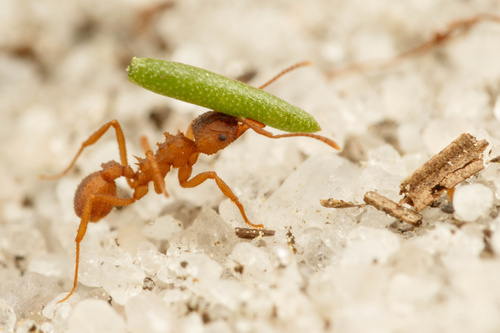
New York, US
Hier kann man sehen Northern Fungus-Farming Ant und Bronzed Tiger Beetle.
Führer anzeigen →
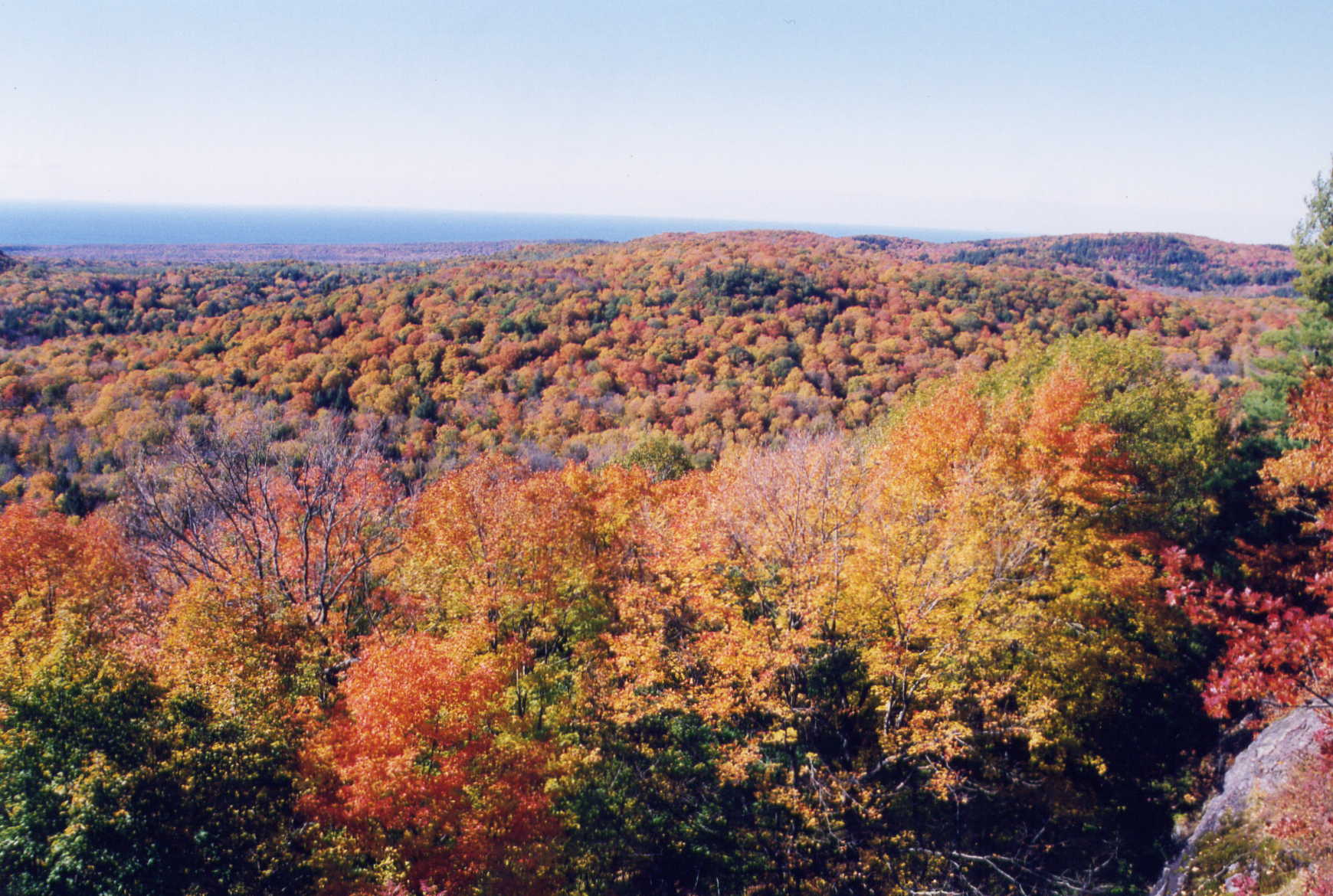
Michigan, US
Hier kann man sehen Tree Lungwort, Shining Firmoss und Amerikanische Kröte.
Führer anzeigen →















.JPG&width=800)

