
.jpg&width=800)





Spotted Lanternfly
Lycorma delicatula
The Spotted Lanternfly is a colorful insect with beautiful spots. It can be found on trees and plants, and it loves to suck the sap from them, which can make the plants unhealthy.
Lebensraum: Urban areas, forests
The Spotted Lanternfly has unique grey forewings covered in small black spots, contrasting sharply with its vibrant red hindwings that feature black and white stripes. Its distinct pattern and bright colours make it easily recognizable from other planthoppers.
Kategorie
InsektenSeltenheit
Common
Gefahr
1/5 · Sehr gering
Snaps
Mach den ersten Snap!
Wow! Baby lanternflies are black with white spots and turn bright red later!
Wow! Spotted Lanternflies can ride on cars and trains to travel to new places!
Wow! Their eggs look like a smear of mud or caulk on trees and rocks!
Wow! They squirt a sweet, sticky liquid called honeydew that coats plants!
Spotted Lanternfly can reveal bright red hindwings to startled predators because of its unique wing pattern that helps them deter attacks.
Spotted Lanternfly has specialized glands that produce honeydew because of its sap-based diet that helps them excrete excess sugar.
Spotted Lanternfly can leap surprisingly far because of its powerful legs that help them quickly escape danger or find new feeding spots.
Spotted Lanternfly has forewings that blend with tree bark because of its mottled grey colouration that helps them hide from predators.
These insects sip sugary sap from many plants, like trees and grapevines, using a straw-like mouth.
Altersunterschiede: Nymphs feed on a wider variety of plants, moving to woody hosts as they mature.
Ailanthus altissima
Its primary host plant and preferred food source.
Vitis vinifera
Causes significant damage to vineyards and grape crops.
Anastatus orientalis
A tiny wasp that lays its eggs inside lanternfly eggs.
Fumago vagans
This fungus grows on the sticky honeydew excreted by lanternflies.
Mit Flecken oder farblich abgesetzten Bereichen gezeichnet.
Einzelgänger leben den größten Teil ihres Lebens allein und interagieren mit Artgenossen nur zur Paarung oder zur Aufzucht der Jungen.
Farbenfroh beschreibt Organismen oder Objekte, die eine große Vielfalt an leuchtenden und deutlich erkennbaren Farben aufweisen.
Dieses Merkmal kennzeichnet Lebewesen, deren Ernährung vollständig oder hauptsächlich aus pflanzlichem Material besteht.

Waldlebensräume sind terrestrische Lebensräume, die von dichtem Baumbestand dominiert werden und eine große Vielfalt an Pflanzen- und Tierarten beherbergen.

Dieses Merkmal kennzeichnet Lebewesen, die bei der Jagd, Flucht oder Fortbewegung eine außergewöhnliche Schnelligkeit aufweisen.

Tagaktive Tiere sind hauptsächlich bei Tageslicht aktiv und ruhen oder schlafen in der Regel nachts.

Blutsaugende Organismen beziehen ihre Nährstoffe, indem sie sich vom Blut oder den Körperflüssigkeiten anderer Tiere ernähren.

Dieses Lebensraummerkmal weist auf Arten hin, die in städtischen und vorstädtischen Umgebungen mit Menschen zusammenleben können und von Menschen geschaffene Strukturen sowie Grünflächen nutzen.

Invasive Arten sind gebietsfremde Organismen, die der Umwelt, der Wirtschaft oder der menschlichen Gesundheit schaden.
Noch keine Alternativnamen vorhanden.
Gefahr
1/5 · Sehr gering
Don't touch or pick up insects without asking an adult first.
40-50 mm
20-30 mm
150-180 Tage
These insects sip sugary sap from many plants, like trees and grapevines, using a straw-like mouth.
Urban areas, forests
Foraging
6
Zoome hinein, um Cluster aufzulösen und zu sehen, wo dieses Objekt fotografiert wurde.
Neueste Snaps erscheinen hier, wenn neue Beobachtungen hinzukommen.
.jpg)
Maryland, US
Hier kann man sehen Weißwedelhirsch und Japanese Knotweed.
Führer anzeigen →
Virginia, US
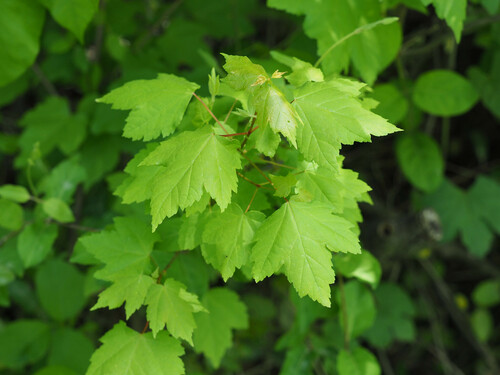
Hier kann man sehen Rot-Ahorn, Spotted Lanternfly und Rotkardinal.
Führer anzeigen →

Virginia, US
Hier kann man sehen Weißwedelhirsch, Haussperling und östliches Grauhörnchen.
Führer anzeigen →

Ohio, US
Hier kann man sehen Wanderdrossel, Weißwedelhirsch und Wanderfalke.
Führer anzeigen →

New York, US
Hier kann man sehen Common Dandelion, Red Deadnettle und Broad-Leaved Dock.
Führer anzeigen →
New Jersey, US
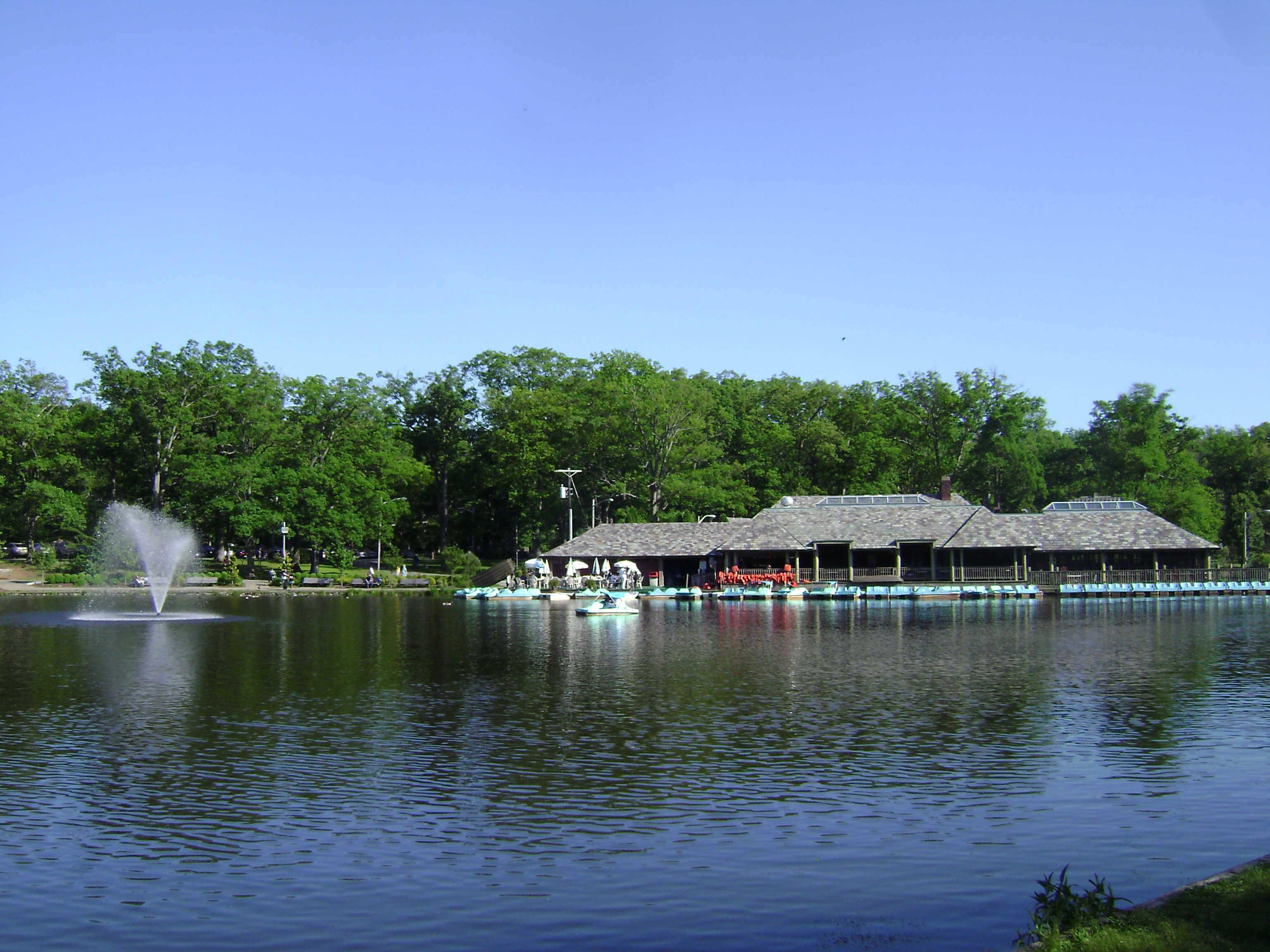
Hier kann man sehen Weißwedelhirsch, Kanadagans und Rotschulterstärling.
Führer anzeigen →













.jpg&width=800)

