






Spotted Sandpiper
Actitis macularius
The Spotted Sandpiper is a small bird that loves to wade in shallow waters. It has a unique spotted belly and a cheerful, bobbing walk that makes it fun to watch!
Lebensraum: Wetlands
The Spotted Sandpiper is a small shorebird with a slender body. In summer, it has distinct dark spots covering its white underside and a pale stripe above its eye. Its bill is dull yellow with a dark tip, which makes it stand out.
Kategorie
VögelSeltenheit
Common
Gefahr
1/5 · Sehr gering
Snaps
Mach den ersten Snap!
Female sandpipers often leave the male to raise the chicks alone!
Males have special patches on their chest to keep eggs warm.
Their flight looks like a bouncing ball, unique among shorebirds.
They migrate solo, without flying in big flocks like other birds.
Spotted Sandpiper can constantly bob its tail up and down because this helps them search for prey and navigate uneven surfaces.
Spotted Sandpiper females can lay multiple clutches with different mates, helping them produce more offspring.
Spotted Sandpipers have stiff, bowed wings and beat them rapidly below body level, giving them an erratic, unique flight pattern.
They mostly eat tiny insects and worms found near water.
Anax junius
Catches dragonflies and their aquatic larvae near water.
Vulpes vulpes
Preys on eggs, chicks, and sometimes adult sandpipers.
Falco peregrinus
A swift aerial predator that hunts small birds.
Dytiscus marginalis
Aquatic beetles are a common food source for the sandpiper.
Gefiedert beschreibt Tiere, hauptsächlich Vögel, die ein Federkleid besitzen.
Mit Flecken oder farblich abgesetzten Bereichen gezeichnet.
Soziale Tiere leben in organisierten Gruppen und kooperieren, um ihr Überleben zu sichern, beispielsweise bei der Nahrungssuche, Verteidigung und Aufzucht der Jungen.
Fischfressende Organismen sind Tiere, die sich hauptsächlich von Fisch ernähren.

Dieses Merkmal kennzeichnet Organismen, deren Nahrung hauptsächlich aus Insekten und anderen kleinen Wirbellosen besteht.

Dieses Lebensraummerkmal kennzeichnet Arten, die in Feuchtgebieten vorkommen. Dies sind Landflächen, die dauerhaft oder saisonal mit Wasser gesättigt sind, darunter Marschland, Sümpfe und Moore.

Tagaktive Tiere sind hauptsächlich bei Tageslicht aktiv und ruhen oder schlafen in der Regel nachts.

Wandertiere unternehmen saisonale Wanderungen von einer Region in eine andere, meist als Reaktion auf Klimaänderungen oder Nahrungsverfügbarkeit.
Noch keine Alternativnamen vorhanden.
Gefahr
1/5 · Sehr gering
Always watch birds from a distance and don't try to touch them.
18-20 cm
37-40 cm
0.021-0.05 kg
3-12 Jahre
55 km/h
They mostly eat tiny insects and worms found near water.
Wetlands
Foraging
Zoome hinein, um Cluster aufzulösen und zu sehen, wo dieses Objekt fotografiert wurde.
Neueste Snaps erscheinen hier, wenn neue Beobachtungen hinzukommen.
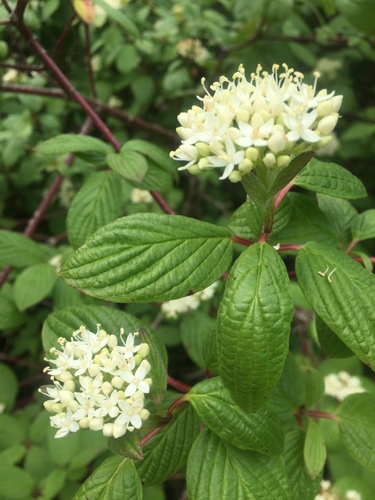
British Columbia, CA
Hier kann man sehen Red Osier Dogwood, Küsten-Kiefer und Common Juniper.
Führer anzeigen →
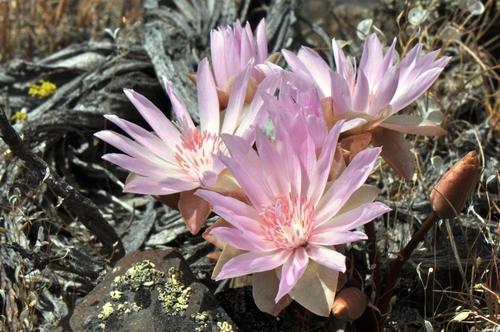
British Columbia, CA
Hier kann man sehen Bitterroot, Arrowleaf Balsamroot und Western Stoneseed.
Führer anzeigen →
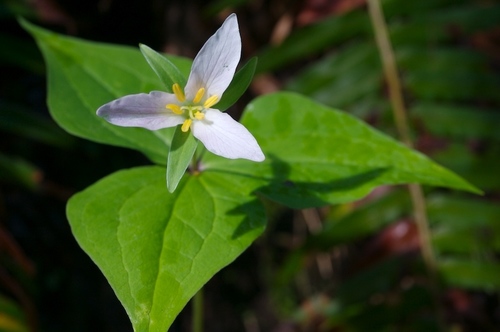
British Columbia, CA
Hier kann man sehen Pacific Trillium, Vanilla Leaf und Japanese Knotweed.
Führer anzeigen →

British Columbia, CA
Hier kann man sehen Douglasie, Silverleaf Phacelia und Rocky Mountain Maple.
Führer anzeigen →
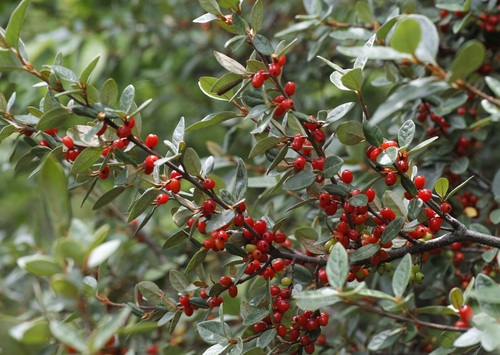
British Columbia, CA
Hier kann man sehen Canadian Buffalo-Berry, Oregon Boxwood und Pacific Trillium.
Führer anzeigen →
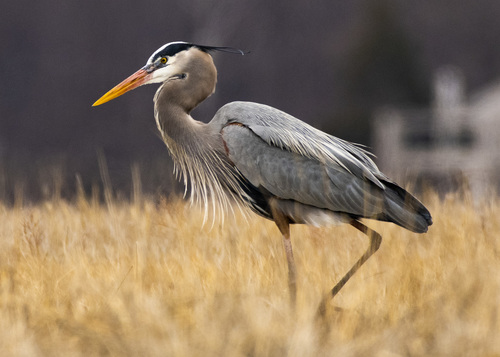
California, US
Hier kann man sehen Kanadareiher, Black-Crowned Night Heron und Grünreiher.
Führer anzeigen →








.jpg&width=800)







