






Spotted Tussock Moth
Lophocampa maculata
The Spotted Tussock Moth is a fluffy, colorful caterpillar that turns into a beautiful moth. It has soft, fuzzy hairs that can look like little tufts, making it very unique and fun to spot in nature!
Lebensraum: Forests
The Spotted Tussock Moth has creamy white to pale yellow wings adorned with striking irregular dark brown or black square-ish spots. Its body is fuzzy and yellowish. The distinct spotting pattern helps it blend into lichen-covered tree bark.
Kategorie
InsektenSeltenheit
Common
Gefahr
2/5 · Gering
Snaps
Mach den ersten Snap!
Adult Spotted Tussock Moths have no mouthparts and never eat!
Its caterpillar stage is so fuzzy it looks like a tiny punk rocker!
Some of its caterpillar hairs can cause an itchy sting if touched!
This moth's larvae sometimes eat plants toxic to other animals!
Spotted Tussock Moth has irritating bristly hairs as a caterpillar that deter predators from touching them.
Spotted Tussock Moth has speckled wing patterns that help them disappear against tree bark, hiding from hungry birds.
Spotted Tussock Moth can spin silk to create a strong cocoon for safe pupation and turning into an adult.
Young caterpillars munch on tree leaves and shrubs to grow big and strong!
Altersunterschiede: Adult moths do not eat, relying on energy reserves from their caterpillar stage.
Salix nigra
a common host plant for its hungry larvae.
Populus tremuloides
its caterpillars munch on the leaves of aspen trees.
Cyanocitta cristata
jays often prey on its caterpillars and moths.
Compsilura concinnata
this fly lays its eggs on the caterpillar host.
Pelzig beschreibt Tiere, die eine dichte Schicht aus weichen Haaren oder Fell besitzen.
Mit Flecken oder farblich abgesetzten Bereichen gezeichnet.
Einzelgänger leben den größten Teil ihres Lebens allein und interagieren mit Artgenossen nur zur Paarung oder zur Aufzucht der Jungen.
Farbenfroh beschreibt Organismen oder Objekte, die eine große Vielfalt an leuchtenden und deutlich erkennbaren Farben aufweisen.

Getarnt beschreibt Organismen, die über eine Färbung oder Musterung verfügen, durch die sie mit ihrer Umgebung verschmelzen.

Dieses Merkmal kennzeichnet Lebewesen, deren Ernährung vollständig oder hauptsächlich aus pflanzlichem Material besteht.

Waldlebensräume sind terrestrische Lebensräume, die von dichtem Baumbestand dominiert werden und eine große Vielfalt an Pflanzen- und Tierarten beherbergen.

Tagaktive Tiere sind hauptsächlich bei Tageslicht aktiv und ruhen oder schlafen in der Regel nachts.
Noch keine Alternativnamen vorhanden.
Gefahr
2/5 · Gering
Don't touch the fuzzy caterpillars, as their hairs can irritate your skin.
35-45 mm
15-20 mm
7-14 Tage
Young caterpillars munch on tree leaves and shrubs to grow big and strong!
Forests
Foraging
6
Zoome hinein, um Cluster aufzulösen und zu sehen, wo dieses Objekt fotografiert wurde.
Neueste Snaps erscheinen hier, wenn neue Beobachtungen hinzukommen.

British Columbia, CA
Hier kann man sehen Western Toad, Ghost Pipe und Pacific Coralroot.
Führer anzeigen →
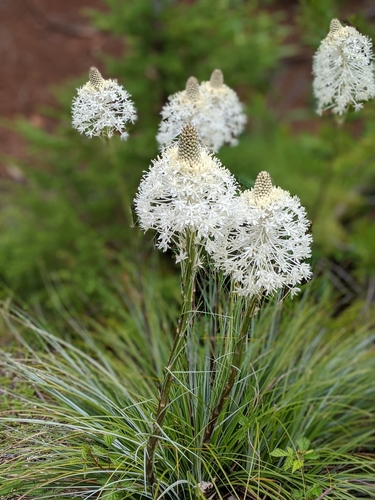
British Columbia, CA
Hier kann man sehen Common Beargrass, Subalpine Larch und Mountain Bog Gentian.
Führer anzeigen →
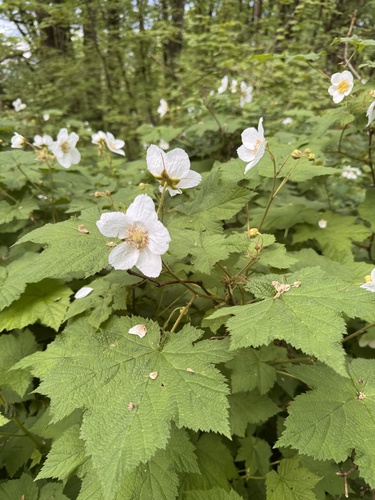
British Columbia, CA
Hier kann man sehen Thimbleberry, Western Redcedar und Red Osier Dogwood.
Führer anzeigen →











