






Spruce Grouse
Canachites canadensis
The Spruce Grouse is a fluffy bird that loves to hide among the trees. With its brown feathers, it blends in perfectly with the forest, making it a master of camouflage!
Lebensraum: Forests
The Spruce Grouse has mottled brown and black plumage, providing excellent camouflage in coniferous forests. Males feature a distinct black chest, white flank markings, and a bright red comb above their eyes, setting them apart.
Kategorie
VögelSeltenheit
Common
Gefahr
1/5 · Sehr gering
Snaps
Mach den ersten Snap!
Male Spruce Grouse make a unique wing-rattling sound to attract mates.
Their feet are naturally feathered to act like snowshoes!
They sometimes swallow grit to help grind up tough conifer needles in their gizzard.
When scared, they often 'freeze' instead of flying, trusting their camouflage.
Spruce Grouse can digest tough conifer needles all winter because of specialized gut bacteria that break down cellulose.
Spruce Grouse has mottled feather patterns that help them blend perfectly into the forest floor, making them incredibly hard to spot.
Spruce Grouse can find food in deep snow because they eat the abundant needles and buds of spruce and fir trees.
They mainly munch on tough needles and twigs from evergreen trees, especially in winter.
Altersunterschiede: Young chicks primarily eat insects; adults mostly consume conifer needles and buds.
Accipiter gentilis
Northern Goshawks prey on Spruce Grouse in dense forest habitats.
.jpg&width=800)
Martes americana
Martens hunt ground-nesting birds like the Spruce Grouse and their eggs.
Picea glauca
Provides essential needles for food and dense cover for nesting.
Pinus contorta
Spruce Grouse eat the needles and buds of this abundant pine.

Vaccinium vitis-idaea
Spruce Grouse consume these nutritious berries in summer.
Gefiedert beschreibt Tiere, hauptsächlich Vögel, die ein Federkleid besitzen.
Einzelgänger leben den größten Teil ihres Lebens allein und interagieren mit Artgenossen nur zur Paarung oder zur Aufzucht der Jungen.
Getarnt beschreibt Organismen, die über eine Färbung oder Musterung verfügen, durch die sie mit ihrer Umgebung verschmelzen.
Dieses Merkmal kennzeichnet Lebewesen, deren Ernährung vollständig oder hauptsächlich aus pflanzlichem Material besteht.

Waldlebensräume sind terrestrische Lebensräume, die von dichtem Baumbestand dominiert werden und eine große Vielfalt an Pflanzen- und Tierarten beherbergen.

Tagaktive Tiere sind hauptsächlich bei Tageslicht aktiv und ruhen oder schlafen in der Regel nachts.
Noch keine Alternativnamen vorhanden.
Gefahr
1/5 · Sehr gering
If you see a bird, watch quietly from a distance and don't try to touch it.
38-48 cm
53-64 cm
0.45-0.65 kg
3-5 Jahre
50 km/h
They mainly munch on tough needles and twigs from evergreen trees, especially in winter.
Forests
Foraging
Zoome hinein, um Cluster aufzulösen und zu sehen, wo dieses Objekt fotografiert wurde.
Neueste Snaps erscheinen hier, wenn neue Beobachtungen hinzukommen.

British Columbia, CA
Hier kann man sehen Subalpine Larch, Arrowleaf Senecio und Moss Campion.
Führer anzeigen →

British Columbia, CA
Hier kann man sehen Common Golden-Mantled Ground Squirrel.
Führer anzeigen →
British Columbia, CA
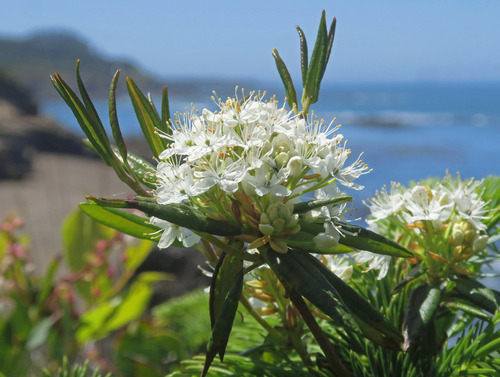
Hier kann man sehen Western Labrador Tea, Grouse Whortleberry und Küsten-Kiefer.
Führer anzeigen →











.jpg&width=800)
