






sulphur cinquefoil
Potentilla recta
The sulphur cinquefoil is a bright yellow flower that loves to grow in sunny places. Its five petal shape looks like a little star shining in the grass!
Lebensraum: Grasslands
The sulphur cinquefoil has bright yellow, five-petaled flowers that resemble small buttercups. Its palmate leaves, divided into 5-7 toothed leaflets, are covered in fine hairs, giving the plant a somewhat rough texture. It stands upright on hairy stems.
Kategorie
PflanzenSeltenheit
Common
Gefahr
1/5 · Sehr gering
Snaps
Mach den ersten Snap!
"Cinquefoil" means 'five leaves,' though this one often has more!
Its bright yellow flowers look like tiny strawberry blossoms, but don't eat them!
Some people call it a "weed," but bees think it's a delicious snack!
This plant is an expert at popping up in new places, thanks to its seeds!
sulphur cinquefoil has hairy leaves that reduce water loss, helping it survive in sunny, dry places.
sulphur cinquefoil can regrow from its deep taproot if the upper plant is damaged, helping it recover easily.
sulphur cinquefoil thrives in open, disturbed areas, quickly colonizing sunny spots with its vigorous growth.
Apis mellifera
Visits its bright yellow flowers for nectar and pollen.
Bombus impatiens
Helps transfer pollen while foraging on blooms.
Odocoileus virginianus
Deer may browse on the leaves and young shoots.
Aphis fabae
Feeds on the plant's sap, potentially weakening it.
Blütenpflanzen sind alle Pflanzen, die als Teil ihres Fortpflanzungszyklus Blüten bilden.
Sommerblühende Pflanzen bringen ihre Blüten während der Sommersaison hervor und sorgen oft für leuchtende Farben, wenn viele andere Pflanzen bereits verblüht sind.
Beschreibt Pflanzen, die für eine Vielzahl von bestäubenden Organismen besonders attraktiv und nützlich sind.
Grasland-Lebensräume sind terrestrische Biome, die von Gräsern und krautigen Pflanzen dominiert werden und einer Vielzahl von Weidetieren als Lebensraum dienen.

Beschreibt Organismen, die Pollen übertragen und so die Befruchtung und Fortpflanzung von Pflanzen ermöglichen.
Noch keine Alternativnamen vorhanden.
Gefahr
1/5 · Sehr gering
Always look but don't touch flowers without asking an adult first.
30-90 cm
20-40 cm
2-3 cm
Late Spring to Late Summer
Nein
Keine
Mehrjährig
Insekten
Zoome hinein, um Cluster aufzulösen und zu sehen, wo dieses Objekt fotografiert wurde.
Neueste Snaps erscheinen hier, wenn neue Beobachtungen hinzukommen.
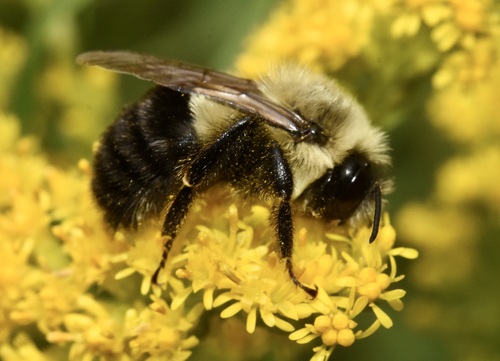
Michigan, US
Hier kann man sehen Common Eastern Bumble Bee und Brown-Belted Bumble Bee.
Führer anzeigen →

South Dakota, US
Hier kann man sehen Brittle Pricklypear, Eastern Redcedar und Common Cowparsnip.
Führer anzeigen →




.jpg&width=800)





_-_Flickr_-_wackybadger_(1).jpg&width=800)



