_(13853530975).jpg&width=800)





Surfbird
Calidris virgata
The Surfbird is a small, energetic bird that loves to run along the shore. It has a beautiful gray-brown body and a cheerful, chirpy voice. Surfbirds are often seen hopping on rocks and searching for tasty snacks in the sand.
Lebensraum: Coastal areas
The Surfbird is a medium-sized, stocky shorebird with dark brownish-grey upperparts streaked with white in breeding plumage. Its white underparts are heavily marked with dark streaking on the chest and flanks, contrasting with its bright yellowish legs and short, thick bill.
Kategorie
VögelSeltenheit
Common
Gefahr
1/5 · Sehr gering
Snaps
Mach den ersten Snap!
Surfbirds travel over 8,000 kilometers from Alaska to South America!
They often forage right where ocean waves crash onto the shore!
They use powerful kicks to dislodge stubborn snails and limpets from rocks!
This bird nests only on remote, rocky mountain slopes in the Arctic!
Surfbirds can powerfully kick and flip over stones because of their strong legs, helping them find hidden prey like limpets and crabs.
Surfbirds can deftly navigate treacherous, wave-washed rocks because of their strong legs and gripping toes, allowing them to access prime feeding spots.
Surfbirds can fly thousands of kilometers non-stop because of their incredible endurance, allowing them to migrate from the Arctic to South America.
Surfbirds have mottled plumage that helps them blend perfectly with the speckled rocks of the shore, making them hard for predators to spot.
They eat small marine creatures like snails and crabs, found by flipping rocks on the shore.
Falco peregrinus
A top predator, preys on many shorebirds.
Lottia digitalis
Surfbirds flip rocks to find and consume these marine snails.
Balanus glandula
Crushes barnacles with its bill found on intertidal rocks.
Gefiedert beschreibt Tiere, hauptsächlich Vögel, die ein Federkleid besitzen.
Getarnt beschreibt Organismen, die über eine Färbung oder Musterung verfügen, durch die sie mit ihrer Umgebung verschmelzen.
Küstenlebensräume sind dynamische Umgebungen an der Schnittstelle zwischen Land und Meer, die von Gezeiten, Wellen und Salzwasser geprägt sind.
Dieses Merkmal kennzeichnet Organismen, deren Ernährung vollständig oder hauptsächlich aus tierischem Gewebe besteht.

Dieses Merkmal kennzeichnet Lebewesen, die bei der Jagd, Flucht oder Fortbewegung eine außergewöhnliche Schnelligkeit aufweisen.

Tagaktive Tiere sind hauptsächlich bei Tageslicht aktiv und ruhen oder schlafen in der Regel nachts.

Wandertiere unternehmen saisonale Wanderungen von einer Region in eine andere, meist als Reaktion auf Klimaänderungen oder Nahrungsverfügbarkeit.
Noch keine Alternativnamen vorhanden.
Gefahr
1/5 · Sehr gering
Always watch birds from a distance and don't try to touch them.
23-26 cm
55-60 cm
0.13-0.22 kg
10-12 Jahre
65 km/h
They eat small marine creatures like snails and crabs, found by flipping rocks on the shore.
Coastal areas
Foraging
Zoome hinein, um Cluster aufzulösen und zu sehen, wo dieses Objekt fotografiert wurde.
Neueste Snaps erscheinen hier, wenn neue Beobachtungen hinzukommen.

British Columbia, CA
Hier kann man sehen Weißkopfseeadler, Harlequin Duck und Barrow's Goldeneye.
Führer anzeigen →
British Columbia, CA
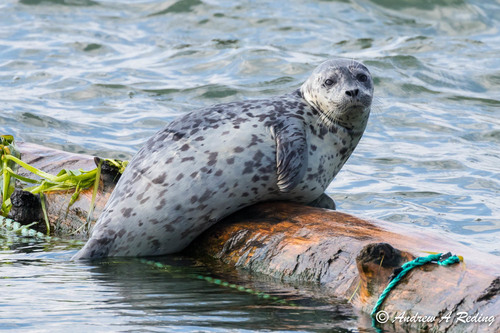
Hier kann man sehen Seehund, Evergreen Huckleberry und Alumroots.
Führer anzeigen →




_(14562557107).jpg&width=800)