Swamp Eels
synbranchidae
Swamp eels are slippery and fun to watch as they wiggle through the water! They can breathe air and often come to the surface for a quick breath!
Lebensraum: Swampy areas, marshes, and slow-moving waters.
The Swamp Eel has a long, snake-like body, usually olive-green or brownish-grey, sometimes with subtle speckles. It lacks pectoral and pelvic fins, making its smooth, cylindrical form distinct from most other fish. Its small, pointed head blends seamlessly into its body.
Kategorie
FischeSeltenheit
Common
Gefahr
1/5 · Sehr gering
Snaps
Mach den ersten Snap!
Some swamp eel species are protogynous, meaning they can change sex from female to male!
Swamp eels can live in their muddy burrows for months without any surface water!
These clever fish use their sense of smell to hunt for food in murky water.
They are so incredibly slippery, they're super hard to catch with just your hands!
Swamp Eels can breathe air using specialized mouth and gill tissues, allowing them to survive in oxygen-poor water.
Swamp Eels can burrow into mud and form a protective cocoon, which helps them survive long dry periods.
Swamp Eels can squeeze through tiny gaps and wriggle over land to find new ponds or escape drying habitats.
These hungry eels eat small fish, insects, worms, and even tadpoles and frogs!
Altersunterschiede: Younger eels eat more insects, while adults prefer larger prey like fish.

Ardea alba
Egrets hunt these eels in shallow waters.
Micropterus salmoides
Larger bass prey on smaller swamp eels.
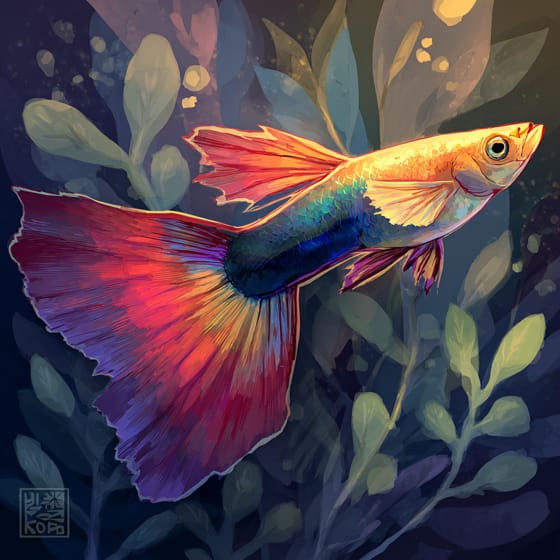
Poecilia reticulata
Swamp eels ambush and consume smaller fish like guppies.
Homo sapiens
Many cultures consider these eels a food source.
Einzelgänger leben den größten Teil ihres Lebens allein und interagieren mit Artgenossen nur zur Paarung oder zur Aufzucht der Jungen.
Getarnt beschreibt Organismen, die über eine Färbung oder Musterung verfügen, durch die sie mit ihrer Umgebung verschmelzen.
Dieses Merkmal kennzeichnet Organismen, deren Ernährung vollständig oder hauptsächlich aus tierischem Gewebe besteht.
Aquatische Lebensräume umfassen Umgebungen, in denen Organismen überwiegend im Wasser leben, darunter Ozeane, Flüsse, Seen und Feuchtgebiete.
Gefahr
1/5 · Sehr gering
Noch keine besonderen Sicherheitshinweise.
20-100 cm
0.1-1.5 kg
5-10 Jahre
These hungry eels eat small fish, insects, worms, and even tadpoles and frogs!
8 km/h
Swampy areas, marshes, and slow-moving waters.
Ambush
5 m
Zoome hinein, um Cluster aufzulösen und zu sehen, wo dieses Objekt fotografiert wurde.
Neueste Snaps erscheinen hier, wenn neue Beobachtungen hinzukommen.