
.JPG&width=800)





Tachinid Flies
tachinidae
Tachinid flies are fascinating insects that help control pest populations! They lay their eggs on or inside other insects, and their larvae feed on them, keeping gardens healthy.
Lebensraum: Tachinid flies can be found in various environments, including gardens, forests, and fields.
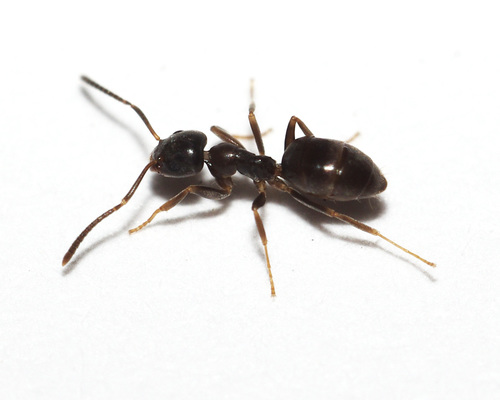
The Tachinid Flies are typically robust, bristly flies, often grey or dark with striped thoraxes and sometimes metallic blue-black bodies. They frequently have large eyes and prominent bristles on their abdomen, making them appear hairier than common houseflies.
Kategorie
InsektenSeltenheit
Common
Gefahr
0/5 · Keine bekannte Gefahr
Snaps
Mach den ersten Snap!
A single female tachinid fly can lay thousands of eggs in her lifetime!
Many tachinid flies are fantastic pollinators of wildflowers and crops.
Some species even lay their tiny eggs directly on their host's eggs!
Their larvae are like tiny, stealthy alien parasites inside other bugs!
Tachinid Flies can precisely locate specific insect hosts to lay their eggs, ensuring their larvae have vital food and shelter.
Tachinid Flies has larvae that develop inside other living insects, slowly consuming their hosts from within.
Some Tachinid Flies can mimic bees or wasps, helping them avoid predators by appearing more dangerous.
Adults sip nectar, but their young are parasitic on other insects!
Altersunterschiede: Larvae are internal parasites of other insects; adults feed on nectar and pollen.
Manduca sexta
Larvae develop inside this large caterpillar pest.
Halyomorpha halys
An important natural enemy of this invasive agricultural pest.
Achillea millefolium
Adults visit the flower clusters for nectar and pollen.
Misumena vatia
An ambush predator that preys on adult flies on flowers.
Soziale Tiere leben in organisierten Gruppen und kooperieren, um ihr Überleben zu sichern, beispielsweise bei der Nahrungssuche, Verteidigung und Aufzucht der Jungen.
Farbenfroh beschreibt Organismen oder Objekte, die eine große Vielfalt an leuchtenden und deutlich erkennbaren Farben aufweisen.
Dieses Merkmal kennzeichnet Organismen, deren Ernährung vollständig oder hauptsächlich aus tierischem Gewebe besteht.
Tagaktive Tiere sind hauptsächlich bei Tageslicht aktiv und ruhen oder schlafen in der Regel nachts.

Beschreibt Organismen, die Pollen übertragen und so die Befruchtung und Fortpflanzung von Pflanzen ermöglichen.
Gefahr
0/5 · Keine bekannte Gefahr
Noch keine besonderen Sicherheitshinweise.
4-40 mm
2-20 mm
10-30 Tage
15 km/h
Adults sip nectar, but their young are parasitic on other insects!
Tachinid flies can be found in various environments, including gardens, forests, and fields.
Foraging
6
Zoome hinein, um Cluster aufzulösen und zu sehen, wo dieses Objekt fotografiert wurde.
Neueste Snaps erscheinen hier, wenn neue Beobachtungen hinzukommen.











.jpg&width=800)



