






Thrushes
turdidae
Thrushes are beautiful birds that sing lovely songs! They love to hop around in gardens and forests looking for tasty insects and berries.
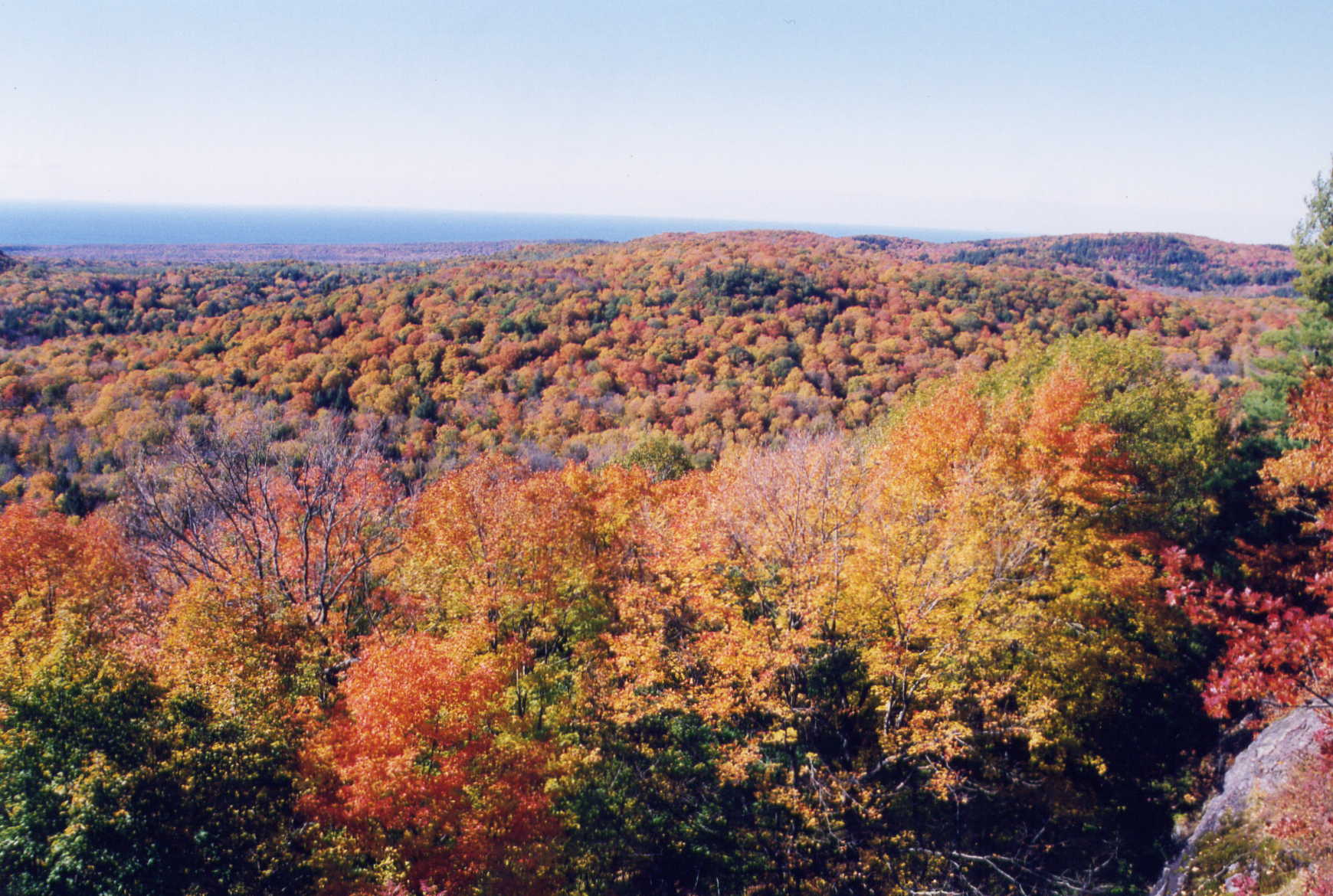
Lebensraum: Thrushes can be found in forests, gardens, and parks across many regions.
The Thrushes are medium-sized songbirds, often plump-bodied with soft brown, grey, or olive plumage. Many species, especially juveniles, feature distinct spotting or streaking on their pale undersides, contrasting with their generally plainer backs.
Kategorie
VögelSeltenheit
Common
Gefahr
0/5 · Keine bekannte Gefahr
Snaps
Mach den ersten Snap!
A thrush's powerful leg muscles allow it to hop quickly across the ground while searching for food.
Baby thrushes can grow all their flight feathers in just two weeks after hatching!
Some thrush species can sing two different notes at the same time, making their songs extra rich!
They often perform a 'stop-run' foraging technique to find worms in the grass.
Thrushes can tilt their heads and use keen hearing to locate hidden worms and insects underground.
Thrushes have complex vocal cords that help them produce beautiful, flute-like songs to attract mates and defend territory.
Thrushes help new plants grow by eating fruits and then dispersing the seeds in their droppings far away.
Thrushes are omnivores, mostly eating insects and berries they find on the ground or in trees.
Felis catus
Domestic cats prey on thrushes, especially ground-nesting young.
Lumbricus terrestris
Thrushes eat earthworms, a primary food source, especially in spring.
.jpg&width=800)
Rubus idaeus
Thrushes eat the fruits of raspberries, helping to disperse their seeds.
.jpg&width=800)
Molothrus ater
Cowbirds lay eggs in thrush nests, having thrushes raise their young.
Soziale Tiere leben in organisierten Gruppen und kooperieren, um ihr Überleben zu sichern, beispielsweise bei der Nahrungssuche, Verteidigung und Aufzucht der Jungen.
Dieses Merkmal kennzeichnet Organismen, deren Ernährung sowohl pflanzliche als auch tierische Bestandteile umfasst.
Farbenfroh beschreibt Organismen oder Objekte, die eine große Vielfalt an leuchtenden und deutlich erkennbaren Farben aufweisen.
Waldlebensräume sind terrestrische Lebensräume, die von dichtem Baumbestand dominiert werden und eine große Vielfalt an Pflanzen- und Tierarten beherbergen.

Tagaktive Tiere sind hauptsächlich bei Tageslicht aktiv und ruhen oder schlafen in der Regel nachts.
Gefahr
0/5 · Keine bekannte Gefahr
Noch keine besonderen Sicherheitshinweise.
16-30 cm
30-48 cm
0.04-0.15 kg
2-10 Jahre
50 km/h
Thrushes are omnivores, mostly eating insects and berries they find on the ground or in trees.
Thrushes can be found in forests, gardens, and parks across many regions.
Foraging
Zoome hinein, um Cluster aufzulösen und zu sehen, wo dieses Objekt fotografiert wurde.
Neueste Snaps erscheinen hier, wenn neue Beobachtungen hinzukommen.




.jpg&width=800)







