






True Bugs
Heteroptera
True bugs are fascinating insects known for their unique mouthparts that suck juices from plants or other insects. They come in many shapes and colors, making them exciting to observe in nature!
Lebensraum: True bugs can be found in various habitats, including gardens, forests, and grasslands.
The True Bugs have unique forewings, called hemelytra, that are hardened at the base and membranous at the tips, often forming a distinct 'X' pattern on their backs. They possess a prominent piercing-sucking mouthpart (proboscis) folded under their head, which differentiates them from other insects. Their coloration varies widely, from drab browns and greens for camouflage to vibrant reds and yellows.
Kategorie
InsektenSeltenheit
Common
Gefahr
1/5 · Sehr gering
Snaps
Mach den ersten Snap!
Bed bugs are true bugs that hide during the day and feast on human blood at night!
Giant water bugs are fierce predators that can catch and eat small fish and even frogs!
Many true bugs have unique forewings, called hemelytra, which are half-hardened and half-membranous!
There are over 40,000 different species of true bugs found all around the world!
True Bugs can drink liquids like plant sap, blood, or insect fluids because of their specialized straw-like proboscis.
True Bugs can deter predators by releasing foul-smelling chemicals from special glands when threatened.
Some True Bugs can walk on water or swim efficiently because of their specially adapted legs and body shape.
Some True Bugs, like assassin bugs, can inject venom to paralyze their prey before consuming it.
True bugs sip plant sap, blood, or body fluids from other insects using their straw-like mouthparts.
Altersunterschiede: Nymphs often eat the same foods as adults, but may target smaller prey or plant parts.
Lygus lineolaris
Feeds on the developing seeds and sap of sunflowers.
Rana catesbeiana
Giant water bugs prey on small amphibians and fish.
Cimex lectularius
Bed bugs are nocturnal feeders on human blood.
Apis mellifera
Ambush bugs hide in flowers to ambush and capture bees.
Soziale Tiere leben in organisierten Gruppen und kooperieren, um ihr Überleben zu sichern, beispielsweise bei der Nahrungssuche, Verteidigung und Aufzucht der Jungen.
Farbenfroh beschreibt Organismen oder Objekte, die eine große Vielfalt an leuchtenden und deutlich erkennbaren Farben aufweisen.
Getarnt beschreibt Organismen, die über eine Färbung oder Musterung verfügen, durch die sie mit ihrer Umgebung verschmelzen.
Dieses Merkmal kennzeichnet Lebewesen, deren Ernährung vollständig oder hauptsächlich aus pflanzlichem Material besteht.

Tagaktive Tiere sind hauptsächlich bei Tageslicht aktiv und ruhen oder schlafen in der Regel nachts.
Gefahr
1/5 · Sehr gering
Noch keine besonderen Sicherheitshinweise.
2-150 mm
1-100 mm
30-365 Tage
20 km/h
True bugs sip plant sap, blood, or body fluids from other insects using their straw-like mouthparts.
True bugs can be found in various habitats, including gardens, forests, and grasslands.
Foraging
6
Zoome hinein, um Cluster aufzulösen und zu sehen, wo dieses Objekt fotografiert wurde.
Neueste Snaps erscheinen hier, wenn neue Beobachtungen hinzukommen.

Utah, US
Hier kann man sehen Showy Milkweed und Black-Spotted Lady Beetles.
Führer anzeigen →
Florida, US
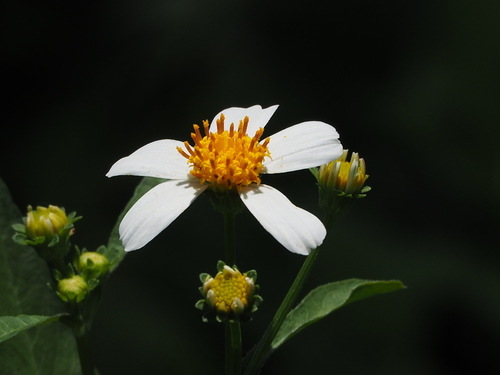
Hier kann man sehen White Beggarticks, Brauner Anolis und Pickerelweed.
Führer anzeigen →

Virginia, US
Hier kann man sehen Echinacea und Southern Wild Raisin.
Führer anzeigen →




_Sphaerophoria_scripta_-_Female_dorsal_view.jpg&width=800)

_Tettigonia_viridissima_on_Avena_fatua.jpg&width=800)







