






Upland Sandpiper
bartramia longicauda
The Upland Sandpiper is a long-legged bird that loves to run across open fields. With its unique call and beautiful spotted feathers, it's a fun bird to spot in nature!
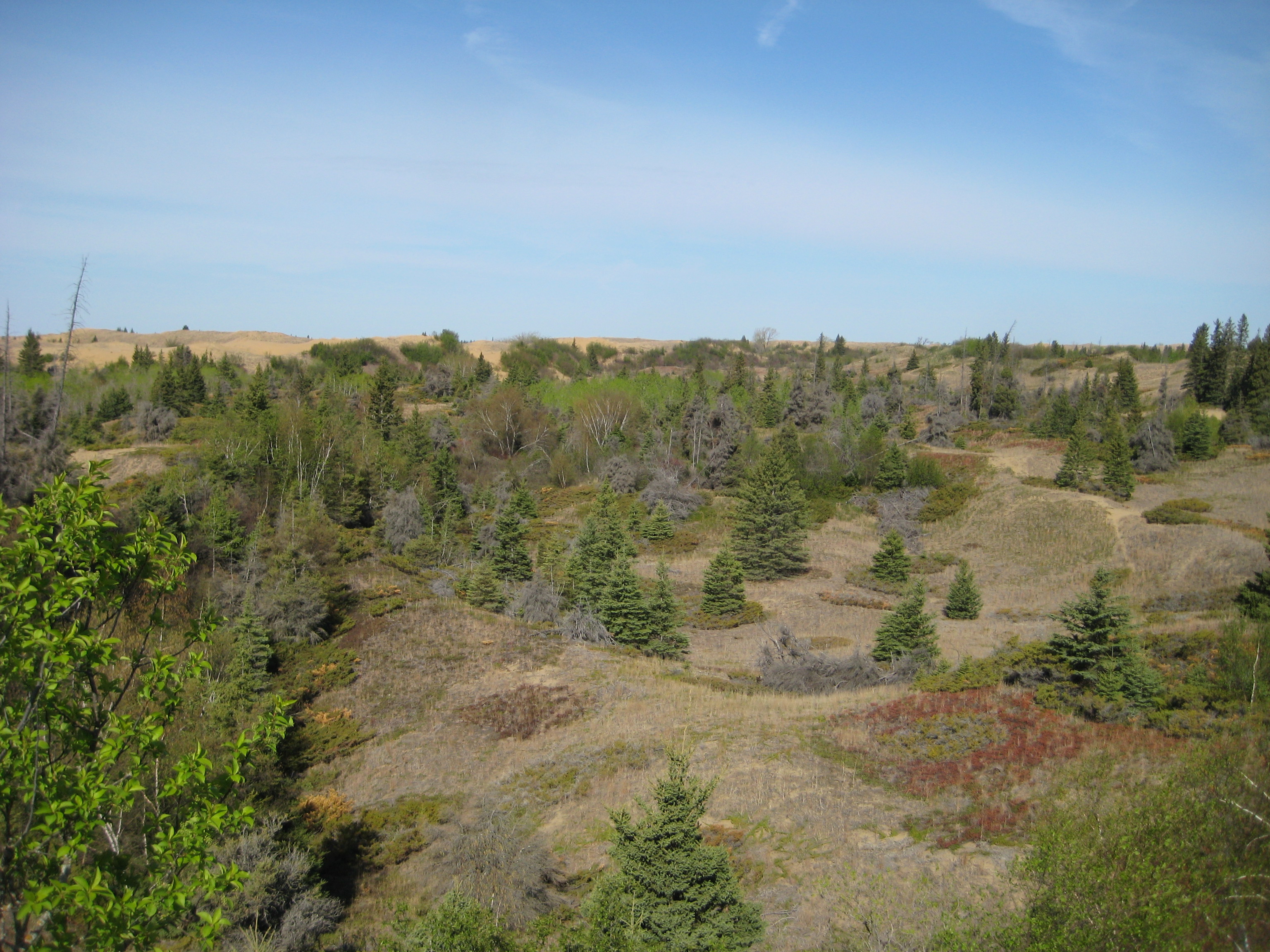
Lebensraum: Open grasslands and fields, often near agricultural areas.
The Upland Sandpiper is a medium-sized shorebird with a distinctive small head, large dark eyes, and a long neck on a streaky brown body. Its chest is finely streaked fading to a pale belly, and it has yellowish legs. A unique peaked crown gives its head a triangular appearance.
Kategorie
VögelSeltenheit
Common
Gefahr
1/5 · Sehr gering
Snaps
Mach den ersten Snap!
It often perches on fence posts, looking like a tiny, watchful sentinel.
Their nests are simple scrapes on the ground, hidden by dense grass.
These birds arrive on their breeding grounds exactly when grasses are tall!
They eat so many grasshoppers, they help farmers protect their crops.
Upland Sandpiper can locate hidden insects and small prey deep within tall grasses because of its keen eyesight and acute hearing.
Upland Sandpiper has a distinctive, mellow whistle-like call that sounds like a flute, used for communicating over vast distances.
Upland Sandpiper can blend seamlessly into grassy environments thanks to its streaky brown and buff plumage, hiding it from predators.
These birds love munching on insects, especially grasshoppers, found hiding in tall fields!
Vulpes vulpes
Foxes prey on their eggs and young in open grasslands.

Melanoplus differentialis
These sandpipers feast on various insects, especially grasshoppers.
Andropogon gerardii
This native prairie grass provides essential nesting habitat.
Buteo jamaicensis
Large raptors, like hawks, can prey on adult Upland Sandpipers.
Soziale Tiere leben in organisierten Gruppen und kooperieren, um ihr Überleben zu sichern, beispielsweise bei der Nahrungssuche, Verteidigung und Aufzucht der Jungen.
Grasland-Lebensräume sind terrestrische Biome, die von Gräsern und krautigen Pflanzen dominiert werden und einer Vielzahl von Weidetieren als Lebensraum dienen.
Dieses Merkmal kennzeichnet Organismen, deren Ernährung vollständig oder hauptsächlich aus tierischem Gewebe besteht.
Tagaktive Tiere sind hauptsächlich bei Tageslicht aktiv und ruhen oder schlafen in der Regel nachts.

Wandertiere unternehmen saisonale Wanderungen von einer Region in eine andere, meist als Reaktion auf Klimaänderungen oder Nahrungsverfügbarkeit.
Gefahr
1/5 · Sehr gering
Noch keine besonderen Sicherheitshinweise.
28-32 cm
50-55 cm
0.1-0.2 kg
3-10 Jahre
70 km/h
These birds love munching on insects, especially grasshoppers, found hiding in tall fields!
Open grasslands and fields, often near agricultural areas.
Foraging
Zoome hinein, um Cluster aufzulösen und zu sehen, wo dieses Objekt fotografiert wurde.
Neueste Snaps erscheinen hier, wenn neue Beobachtungen hinzukommen.









-5_-_Flickr_-_Ragnhild_%26_Neil_Crawford.jpg&width=800)


.jpg&width=800)

