

Variable Fan-Foot
zanclognatha laevigata
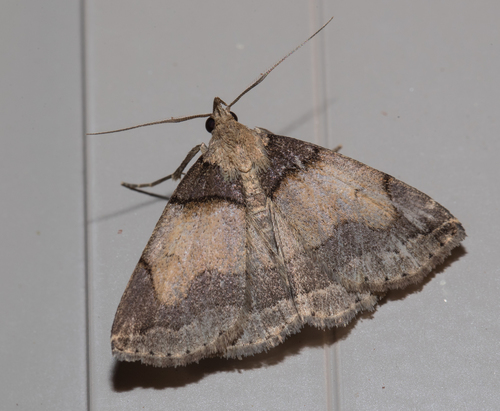
The Variable Fan-Foot (Zanclognatha laevigata) is an intriguing member of the litter moth subfamily, Herminiinae. Named for both its exceptionally variable coloration and the fan-like tufts of hair on the legs of the males, this small moth plays a vital but often overlooked role in woodland ecosystems. While many moths are celebrated for feeding on living green plants, the Variable Fan-Foot's caterpillars are specialized detritivores, thriving on dead and decaying leaves on the forest floor, which aids in nutrient recycling. Active primarily during the warm summer nights of eastern North America, these moths are a testament to natural camouflage. Their intricate wing patterns mimic the dry forest floor, shielding them from sharp-eyed predators. Spotting one of these understated beauties is a treat for any nocturnal nature enthusiast.
Lebensraum: Found in deciduous woodlands, moist forests, and swampy areas with thick layers of leaf litter.
This species lives up to its name with highly variable wing coloration, ranging from light sandy tan and grayish-brown to deep, rich chocolate or purplish-brown. The forewings feature distinct dark, wavy lines—specifically the antemedial and postmedial lines—and a prominent dark, crescent-shaped discal spot near the center. It has a wingspan ranging from 2 to 4 centimeters. When at rest, the moth holds its wings in a flat, triangular shape, perfectly blending in with fallen leaves, while males possess distinctive brush-like sensory hair pencils on their front legs.
Kategorie
InsektenSeltenheit
Common
Gefahr
1/5 · Sehr gering
Snaps
Mach den ersten Snap!
Because their caterpillars eat dry, brown leaves rather than fresh green ones, they are crucial decomposers that help turn leaf litter back into soil nutrients.
The term 'Fan-foot' comes from the fan-like arrangements of hairs on the front legs of males, which act like scent diffusers during mating.
They are highly variable in color; two individuals of this same species can look like completely different species to an untrained eye.
The moth's coloration and resting posture perfectly imitate dry, decaying leaves, allowing it to blend seamlessly into the forest floor.
Males have specialized scent-distributing hair tufts on their forelegs used to release pheromones during courtship to attract females.
The caterpillars possess unique digestive adaptations that allow them to extract moisture and nutrients from dry, dead leaves that most other insects cannot consume.
Caterpillars feed primarily on dry, dead leaves in the leaf litter, while adults may feed sparingly on plant fluids, tree sap, or honeydew.
Altersunterschiede: Larvae are strict detritivores consuming dead leaves on the forest floor, whereas adults transition to consuming liquid nutrients like nectar or sap.
Quercus alba
The fallen dead leaves of the White Oak serve as a primary food source for the detritivorous caterpillars.
Blarina brevicauda
Forages in the leaf litter and preys upon both the caterpillars and resting adult moths.
Contopus virens
Snatches flying adult moths out of the air or plucks them from tree bark during the day.
Für dieses Objekt sind noch keine Merkmal-Badges vergeben.
Noch keine Alternativnamen vorhanden.
Sammlungen für dieses Objekt erscheinen hier, wenn weitere Themen hinzugefügt werden.
Gefahr
1/5 · Sehr gering
Noch keine besonderen Sicherheitshinweise.
Der einfachste Weg, Variable Fan-Foot zu bestimmen, ist die Verwendung der Naturführer-App Snappit.
0.0001+ kg
0+ Jahre
12 km/h
Caterpillars feed primarily on dry, dead leaves in the leaf litter, while adults may feed sparingly on plant fluids, tree sap, or honeydew.
Found in deciduous woodlands, moist forests, and swampy areas with thick layers of leaf litter.
Foraging
Zoome hinein, um Cluster aufzulösen und zu sehen, wo dieses Objekt fotografiert wurde.
Neueste Snaps erscheinen hier, wenn neue Beobachtungen hinzukommen.











