.jpg&width=800)





Varied Thrush
Ixoreus naevius
The Varied Thrush is a beautiful bird with bright orange and black colors. It loves to hop around on the forest floor looking for tasty insects and berries to eat.
Lebensraum: Forests
The Varied Thrush has a striking dark grey-blue back and head with a distinctive broad, rusty-orange breast band. Its face features a prominent black mask and collar, contrasting with the orange, and it shows two orange wing bars on dark wings.
Kategorie
VögelSeltenheit
Common
Gefahr
1/5 · Sehr gering
Snaps
Mach den ersten Snap!
During winter, Varied Thrushes sometimes gather in huge flocks to feast on juicy berries!
Some believe its slow, drawn-out whistle sounds like a ghost calling in the woods!
Their nests are often camouflaged with moss and twigs, making them super hard to spot.
This bird often stays perfectly still, then dashes to catch prey, a clever hunting trick!
Varied Thrushes can rapidly vibrate their feet on the ground, mimicking rain, which makes earthworms surface, helping them find food.
The Varied Thrush has a haunting, flute-like song, with long, single notes, that helps them communicate across dense forest environments.
Varied Thrushes have excellent vision, especially in low light, which helps them forage for insects and berries on the forest floor.
With its dark grey and rusty orange plumage, the Varied Thrush can blend seamlessly into the shaded undergrowth, helping it hide from predators.
Varied Thrushes are omnivores, enjoying a mix of insects, other invertebrates, and a variety of berries.
Accipiter cooperii
A common bird predator in forests.
Lumbricus terrestris
A primary invertebrate prey item, found by foot-trembling.

Vaccinium parvifolium
Provides essential berries, especially in fall and winter.
Pseudotsuga menziesii
Provides nesting sites and dense cover in its forest habitat.
Gefiedert beschreibt Tiere, hauptsächlich Vögel, die ein Federkleid besitzen.
Soziale Tiere leben in organisierten Gruppen und kooperieren, um ihr Überleben zu sichern, beispielsweise bei der Nahrungssuche, Verteidigung und Aufzucht der Jungen.
Singende Tiere erzeugen komplexe Lautäußerungen, oft um Partner anzulocken, ihr Revier zu verteidigen oder innerhalb ihrer Art zu kommunizieren.
Farbenfroh beschreibt Organismen oder Objekte, die eine große Vielfalt an leuchtenden und deutlich erkennbaren Farben aufweisen.

Dieses Merkmal kennzeichnet Organismen, deren Nahrung hauptsächlich aus Insekten und anderen kleinen Wirbellosen besteht.

Waldlebensräume sind terrestrische Lebensräume, die von dichtem Baumbestand dominiert werden und eine große Vielfalt an Pflanzen- und Tierarten beherbergen.

Tagaktive Tiere sind hauptsächlich bei Tageslicht aktiv und ruhen oder schlafen in der Regel nachts.
Noch keine Alternativnamen vorhanden.
Gefahr
1/5 · Sehr gering
Always watch birds from a distance so they feel safe.
20-26 cm
34-42 cm
0.065-0.1 kg
2-10 Jahre
45 km/h
Varied Thrushes are omnivores, enjoying a mix of insects, other invertebrates, and a variety of berries.
Forests
Foraging
Zoome hinein, um Cluster aufzulösen und zu sehen, wo dieses Objekt fotografiert wurde.
Neueste Snaps erscheinen hier, wenn neue Beobachtungen hinzukommen.

British Columbia, CA
Hier kann man sehen Bananenschnecke, Western Sword Fern und Red Huckleberry.
Führer anzeigen →

British Columbia, CA
Hier kann man sehen Weißkopfseeadler, Harlequin Duck und Barrow's Goldeneye.
Führer anzeigen →

British Columbia, CA
Hier kann man sehen Bananenschnecke, Arctic Butterbur und Coastal Brookfoam.
Führer anzeigen →
British Columbia, CA
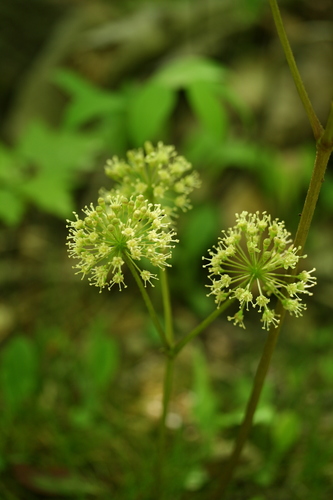
Hier kann man sehen Wild Sarsaparilla, Thimbleberry und Oregon Boxwood.
Führer anzeigen →

British Columbia, CA
Hier kann man sehen Western Toad, Nettles und Lady Fern.
Führer anzeigen →