






Virginia Pepperweed
lepidium virginicum
Virginia Pepperweed is a fun plant that can grow up to 3 feet tall! Its tiny white flowers and peppery taste make it a favorite among adventurous eaters.
Lebensraum: Virginia Pepperweed grows in disturbed areas, such as fields, roadsides, and gardens.
The Virginia Pepperweed has a slender, often branching stem with small, toothed green leaves that form a rosette at its base. Tiny white flowers bloom in clusters along the stem, followed by distinctive flat, round seedpods resembling miniature flying saucers.
Kategorie
PflanzenSeltenheit
Common
Gefahr
0/5 · Keine bekannte Gefahr
Snaps
Mach den ersten Snap!
Its tiny seeds taste surprisingly like black pepper, a real spice bomb!
Look closely at its flowers; they're so small, they're often smaller than a ladybug!
The name 'pepperweed' comes from the peppery zing of its leaves and seeds!
This plant is a wild cousin to broccoli and cabbage, part of the mustard family!
Virginia Pepperweed can sprout and grow quickly in many different soils, helping it survive and thrive even in tough spots.
This plant has a spicy flavor from mustard oils, which can deter some hungry animals and make it taste interesting.
Its flat, disc-like seedpods are perfectly shaped to catch the wind, helping them travel far to find new homes.
Virginia Pepperweed can keep its leaves green even in mild winters, allowing it to gather sunlight when other plants can't.
Apis mellifera
Visits its tiny flowers for nectar and pollen.
Carduelis tristis
Feeds on the nutritious, disc-shaped seeds.
Pieris rapae
Its caterpillars munch on the peppery leaves.
Farbenfroh beschreibt Organismen oder Objekte, die eine große Vielfalt an leuchtenden und deutlich erkennbaren Farben aufweisen.
Grasland-Lebensräume sind terrestrische Biome, die von Gräsern und krautigen Pflanzen dominiert werden und einer Vielzahl von Weidetieren als Lebensraum dienen.
Dieses Merkmal kennzeichnet Lebewesen, deren Ernährung vollständig oder hauptsächlich aus pflanzlichem Material besteht.
Beschreibt Organismen, die Pollen übertragen und so die Befruchtung und Fortpflanzung von Pflanzen ermöglichen.
Gefahr
0/5 · Keine bekannte Gefahr
Noch keine besonderen Sicherheitshinweise.
10-60 cm
10-30 cm
0.2-0.3 cm
Spring to Fall (April-October)
Ja
Keine
Einjährig
Insekten
Zoome hinein, um Cluster aufzulösen und zu sehen, wo dieses Objekt fotografiert wurde.
Neueste Snaps erscheinen hier, wenn neue Beobachtungen hinzukommen.
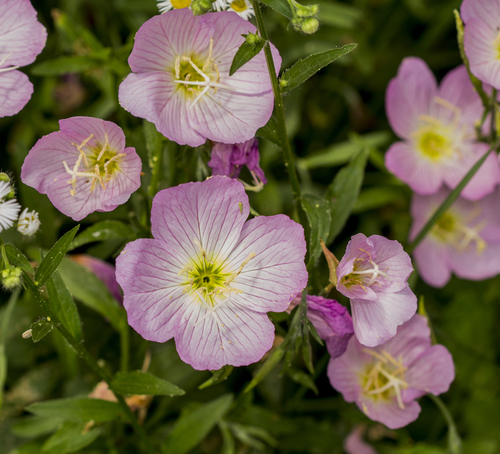
Virginia, US
Hier kann man sehen Pinkladies, Hickories und Japanese Aucuba.
Führer anzeigen →
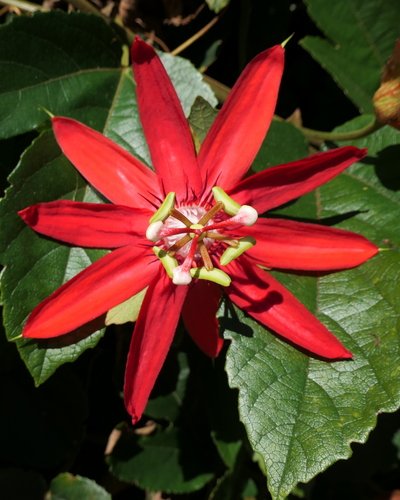
Florida, US
Hier kann man sehen Passiflora 'scarlet Flame' und Carolina Burying Beetle.
Führer anzeigen →

Virginia, US
Hier kann man sehen Echinacea und Southern Wild Raisin.
Führer anzeigen →




_(8435943414).jpg&width=800)









