Virginia waterleaf
Hydrophyllum virginianum
Virginia waterleaf is a lovely plant with pretty, heart-shaped leaves. It grows in shady places and has beautiful blue flowers that bloom in spring, making it a delightful sight in the forest!
Lebensraum: Forests
The Virginia waterleaf has distinctive green leaves with silvery-white blotches that resemble water stains, particularly when young. Its small, bell-shaped flowers bloom in dense, fuzzy clusters, typically appearing in shades of lavender, white, or pale purple.
Kategorie
PflanzenSeltenheit
Common
Gefahr
1/5 · Sehr gering
Snaps
Mach den ersten Snap!
Its unique leaf "watermarks" often vanish when the plant has plenty of water!
Many types of native bees and butterflies love to visit its small, nectar-rich, bell-shaped flowers.
Native Americans traditionally consumed its tender young leaves as a nutritious spring vegetable.
The plant's scientific name, Hydrophyllum, literally means "water leaf" in ancient Greek!
Virginia waterleaf can thrive in low-light conditions, allowing it to grow where many other plants struggle.
Its leaves have unique silvery blotches that may help reflect light in dim forests or deter herbivores.
Virginia waterleaf has edible young leaves, offering a valuable food source for wildlife and humans in early spring.
Bombus impatiens
collects nectar and pollen from its flowers
Apis mellifera
visits flowers for nectar and pollen
Odocoileus virginianus
browses on its leaves and stems
Marmota monax
eats the plant's foliage
Blütenpflanzen sind alle Pflanzen, die als Teil ihres Fortpflanzungszyklus Blüten bilden.
Frühlingsblüher bilden ihre Blüten im Frühjahr und kündigen oft das Ende des Winters und den Beginn neuen Wachstums an.
Schattenverträgliche Pflanzen sind an das Wachstum und Gedeihen in Bereichen mit wenig Licht angepasst und benötigen weniger direkte Sonneneinstrahlung.
Heilpflanzen besitzen chemische Verbindungen, die für therapeutische Zwecke zur Behandlung von Krankheiten oder zur Erhaltung der Gesundheit eingesetzt werden können.

Beschreibt Pflanzen, die für eine Vielzahl von bestäubenden Organismen besonders attraktiv und nützlich sind.

Essbare Pflanzen sind diejenigen Pflanzenteile, die für den menschlichen Verzehr als unbedenklich gelten.

Waldlebensräume sind terrestrische Lebensräume, die von dichtem Baumbestand dominiert werden und eine große Vielfalt an Pflanzen- und Tierarten beherbergen.
Noch keine Alternativnamen vorhanden.
Gefahr
1/5 · Sehr gering
Always look but don't touch plants unless you know they are safe.
15-60 cm
30-45 cm
0.5-1 cm
Late spring to early summer (May-July)
Ja
Keine
Mehrjährig
Insekten
Zoome hinein, um Cluster aufzulösen und zu sehen, wo dieses Objekt fotografiert wurde.
Neueste Snaps erscheinen hier, wenn neue Beobachtungen hinzukommen.
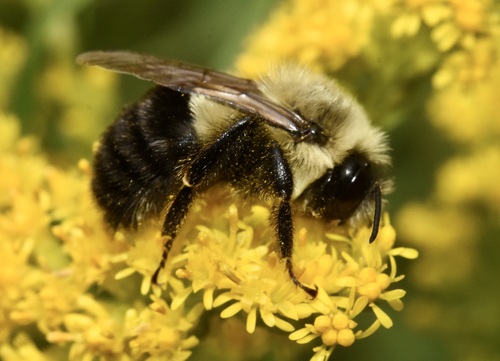
Minnesota, US
Hier kann man sehen Common Eastern Bumble Bee, Wood Nettle und Weißwedelhirsch.
Führer anzeigen →

Illinois, US
Hier kann man sehen Pond Slider, Virginia Bluebells und Kanadagans.
Führer anzeigen →

South Dakota, US
Hier kann man sehen Brittle Pricklypear, Eastern Redcedar und Common Cowparsnip.
Führer anzeigen →








_3759.JPG&width=800)