



Waved Silk-moss
Plagiothecium undulatum
Waved Silk-moss is a soft, green plant that grows in damp places. It has wavy leaves that look like little waves, making it fun to touch and see in nature.
Lebensraum: Forests
The Waved Silk-moss has vibrant green, flattened shoots with a distinct wavy or corrugated texture. Its glossy, overlapping leaves create a shimmering, silky mat, making it easily distinguishable in its forest habitat.
Kategorie
PflanzenSeltenheit
Common
Gefahr
1/5 · Sehr gering
Snaps
Mach den ersten Snap!
Instead of seeds, Waved Silk-moss reproduces using microscopic spores, like tiny plant dust.
It can survive extreme drying out, then spring back to life when water returns!
Mosses were among the first plants to grow on land, hundreds of millions of years ago!
Waved Silk-moss helps create tiny 'forests' for even tinier creatures, like springtails and mites.
Waved Silk-moss can absorb and hold many times its weight in water, helping it survive dry periods and keep its environment moist.
Waved Silk-moss has rhizoids that help it cling tightly to surfaces like rocks and bark, allowing it to grow where other plants can't.
Waved Silk-moss can release tiny spores into the wind, enabling it to travel far and colonize new, suitable habitats.
Hypogastrura socialis
Lives and forages within moss mats.
Fagus sylvatica
Often grows epiphytically on its bark as a substrate.
Scheloribates laevigatus
Feeds on detritus and fungi within the moss.
Dieses Merkmal kennzeichnet Pflanzen, denen spezialisierte Leitgewebe (Xylem und Phloem) für den Transport von Wasser und Nährstoffen fehlen.
Schattenverträgliche Pflanzen sind an das Wachstum und Gedeihen in Bereichen mit wenig Licht angepasst und benötigen weniger direkte Sonneneinstrahlung.
Waldlebensräume sind terrestrische Lebensräume, die von dichtem Baumbestand dominiert werden und eine große Vielfalt an Pflanzen- und Tierarten beherbergen.
Beschreibt Organismen, die totes organisches Material abbauen und Nährstoffe in das Ökosystem zurückführen.
Noch keine Alternativnamen vorhanden.
Gefahr
1/5 · Sehr gering
Always be gentle when touching plants and mosses to protect them.
2-5 cm
5-20 cm
Nein
Keine
Mehrjährig
Forests
Zoome hinein, um Cluster aufzulösen und zu sehen, wo dieses Objekt fotografiert wurde.
Neueste Snaps erscheinen hier, wenn neue Beobachtungen hinzukommen.

British Columbia, CA
Hier kann man sehen Weißkopfseeadler, Harlequin Duck und Barrow's Goldeneye.
Führer anzeigen →

British Columbia, CA
Hier kann man sehen Bananenschnecke, Arctic Butterbur und Coastal Brookfoam.
Führer anzeigen →
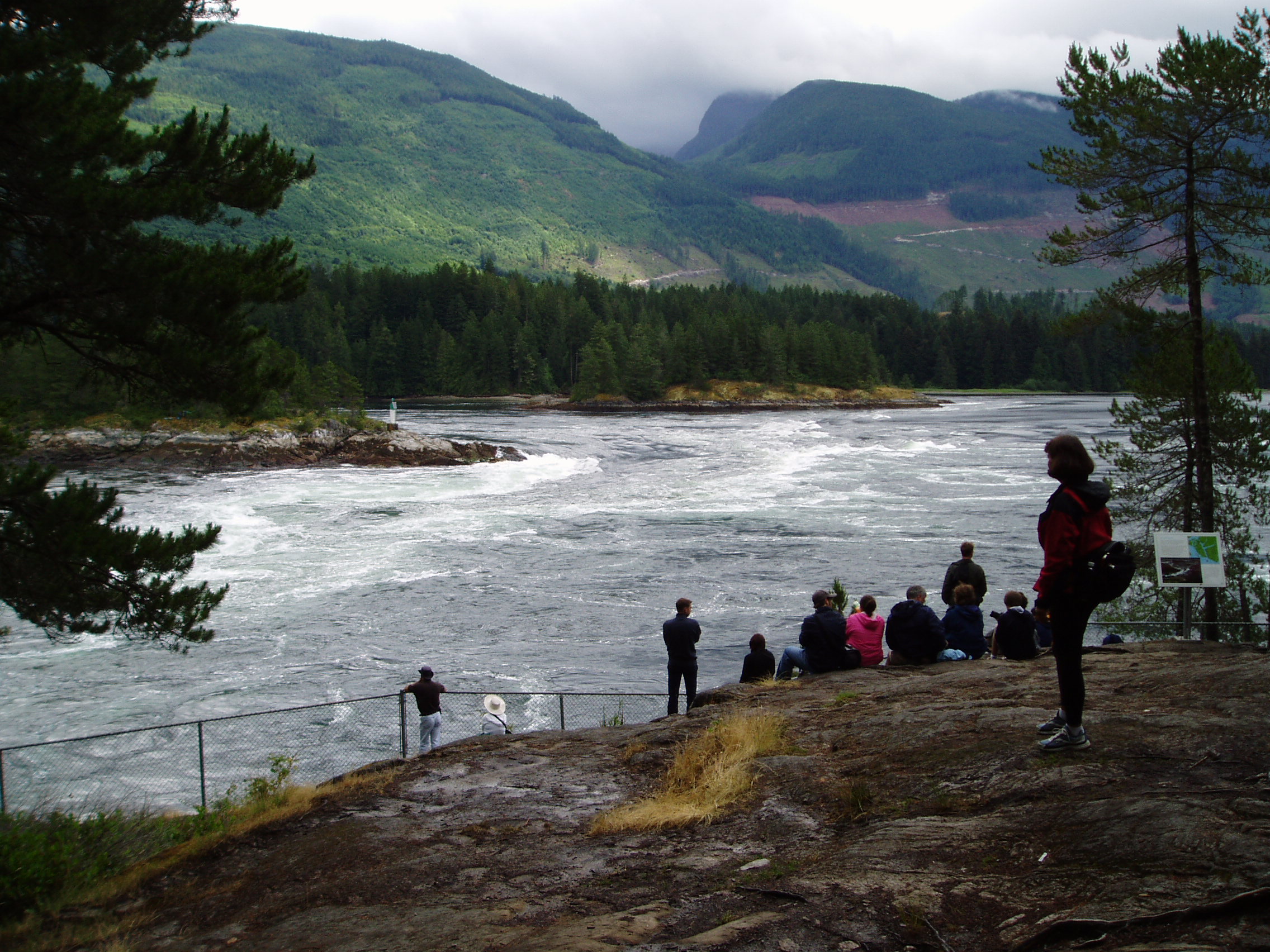
British Columbia, CA
Hier kann man sehen Ochre Sea Star, Aggregating Anemone und Western Starflower.
Führer anzeigen →

British Columbia, CA
Hier kann man sehen Salal, Red Huckleberry und Leather Star.
Führer anzeigen →




.jpg&width=800)




_(25203076648).jpg&width=800)