Western Bluebird
Sialia mexicana
The Western Bluebird is a cheerful bird with bright blue feathers and a warm orange belly. They love to sing and can often be seen perched on fences or trees, looking for tasty insects to eat.
Lebensraum: Open woodlands
The Western Bluebird has a vibrant cobalt blue head, back, and wings for males, contrasting with a rusty orange breast and flanks. Females have duller blue and orange. They are easily distinguished by their prominent rust-colored chest and white belly.
Kategorie
VögelSeltenheit
Common
Gefahr
1/5 · Sehr gering
Snaps
Mach den ersten Snap!
Male bluebirds sing a soft 'feer-feer' song to attract their mates.
Sometimes, other young bluebirds help their parents raise new chicks!
Their stunning blue color comes from light scattering, not blue pigment!
They often use human-made birdhouses, which helps their populations thrive!
Western Bluebirds can spot insects from a high perch and then pounce down to catch them on the ground.
Western Bluebirds have the ability to nest in natural tree hollows or old woodpecker holes for safety.
Western Bluebirds can switch their diet to eat more berries in winter when insects are scarce, helping them survive.
Western Bluebirds enjoy a mix of insects and juicy berries, finding food from perches or the ground.
Altersunterschiede: Young birds eat only insects for rapid growth; adults eat more fruit in winter when insects are scarce.
Accipiter cooperii
Hunts adult bluebirds.
Felis catus
Predates on birds, especially nestlings.

Juniperus communis
Consumes berries in winter.
Pinus ponderosa
Nests in tree cavities.
Gefiedert beschreibt Tiere, hauptsächlich Vögel, die ein Federkleid besitzen.
Soziale Tiere leben in organisierten Gruppen und kooperieren, um ihr Überleben zu sichern, beispielsweise bei der Nahrungssuche, Verteidigung und Aufzucht der Jungen.
Singende Tiere erzeugen komplexe Lautäußerungen, oft um Partner anzulocken, ihr Revier zu verteidigen oder innerhalb ihrer Art zu kommunizieren.
Luftbewohnende Tiere verbringen einen erheblichen Teil ihres Lebens in der Luft und nutzen den Flug für verschiedene Aktivitäten wie Jagd, Wanderungen oder Nestbau.

Farbenfroh beschreibt Organismen oder Objekte, die eine große Vielfalt an leuchtenden und deutlich erkennbaren Farben aufweisen.

Dieses Merkmal kennzeichnet Organismen, deren Nahrung hauptsächlich aus Insekten und anderen kleinen Wirbellosen besteht.

Tagaktive Tiere sind hauptsächlich bei Tageslicht aktiv und ruhen oder schlafen in der Regel nachts.
Noch keine Alternativnamen vorhanden.
Gefahr
1/5 · Sehr gering
Enjoy watching birds from a distance, and don't try to touch or catch them.
15-18 cm
28-35 cm
0.028-0.032 kg
6-10 Jahre
45 km/h
Western Bluebirds enjoy a mix of insects and juicy berries, finding food from perches or the ground.
Open woodlands
Foraging
Zoome hinein, um Cluster aufzulösen und zu sehen, wo dieses Objekt fotografiert wurde.
Neueste Snaps erscheinen hier, wenn neue Beobachtungen hinzukommen.
California, US
Hier kann man sehen Eastern Fox Squirrel, Kolkrabe und Carolinataube.
Führer anzeigen →

California, US
Hier kann man sehen Ente, American Coot und Kanadagans.
Führer anzeigen →
California, US
Hier kann man sehen Purple Martin, Acorn Woodpecker und Dunkelaugenjunko.
Führer anzeigen →
California, US
Hier kann man sehen Bold Jumping Spider, Marbled Cellar Spider und Black Phoebe.
Führer anzeigen →
California, US
Hier kann man sehen Field Bindweed, Charlock und Figeater Beetle.
Führer anzeigen →
California, US
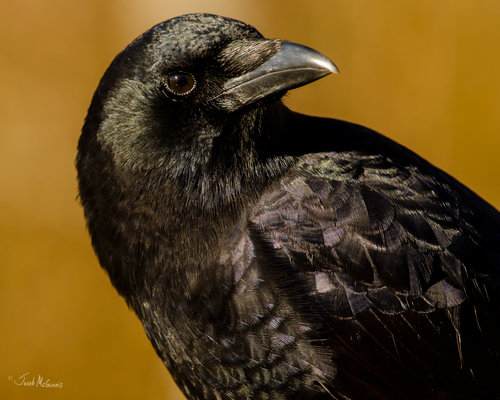
Hier kann man sehen Amerikanische Krähe und Yellow-Rumped Warbler.
Führer anzeigen →











_Stampf_2011-04-24_15-55-50.jpg&width=800)