






Western Catoptria
Catoptria oregonicus
The Western Catoptria is a small, colorful moth that flutters around in grasslands. It has beautiful patterns on its wings that help it blend in with the flowers and grasses.
Lebensraum: Grasslands
The Western Catoptria is a small moth with shimmering golden-brown forewings streaked by metallic silver or white lines and a distinctive dark dash near the wing tip. Its hindwings are a plain, light brownish-gray. This intricate pattern allows it to blend seamlessly into dry grasses and sun-dappled foliage.
Kategorie
InsektenSeltenheit
Common
Gefahr
1/5 · Sehr gering
Snaps
Mach den ersten Snap!
Baby Western Catoptria moths, called larvae, munch on grass roots underground.
Its scientific name, 'oregonicus,' means 'from Oregon,' where it was first discovered!
This moth belongs to a family called 'grass-veneers' because of how well they hide in grassy areas.
Though a moth, it flies mostly in bright sunshine, often darting quickly between plants!
Western Catoptria has intricately patterned wings that helps them vanish among dry grasses, making it super hard for predators to spot.
Western Catoptria can use its long proboscis to sip nectar from tiny flowers, fueling its flight and helping plants pollinate.
Western Catoptria is active during the day because it has adapted to feed and fly when the sun is out, unlike most moths.
Adults enjoy flower nectar, while their larvae are busy eating the roots and stems of grasses.
Altersunterschiede: Larvae consume grass roots and stems, while adults feed exclusively on flower nectar.
Poa pratensis
Larvae feed on the roots and stems.
Solidago canadensis
Adults visit flowers for nectar.

Cyanocitta stelleri
Birds may prey on adult moths.
Araniella displicata
Spiders may catch moths in webs.
Einzelgänger leben den größten Teil ihres Lebens allein und interagieren mit Artgenossen nur zur Paarung oder zur Aufzucht der Jungen.
Beschreibt Pflanzen, die für eine Vielzahl von bestäubenden Organismen besonders attraktiv und nützlich sind.
Farbenfroh beschreibt Organismen oder Objekte, die eine große Vielfalt an leuchtenden und deutlich erkennbaren Farben aufweisen.
Getarnt beschreibt Organismen, die über eine Färbung oder Musterung verfügen, durch die sie mit ihrer Umgebung verschmelzen.

Grasland-Lebensräume sind terrestrische Biome, die von Gräsern und krautigen Pflanzen dominiert werden und einer Vielzahl von Weidetieren als Lebensraum dienen.

Dieses Merkmal kennzeichnet Lebewesen, deren Ernährung vollständig oder hauptsächlich aus pflanzlichem Material besteht.

Tagaktive Tiere sind hauptsächlich bei Tageslicht aktiv und ruhen oder schlafen in der Regel nachts.

Beschreibt Organismen, die Pollen übertragen und so die Befruchtung und Fortpflanzung von Pflanzen ermöglichen.
Noch keine Alternativnamen vorhanden.
Gefahr
1/5 · Sehr gering
Moths are gentle creatures, but it's best to watch them from a distance.
20-28 mm
10-14 mm
10-21 Tage
5 km/h
Adults enjoy flower nectar, while their larvae are busy eating the roots and stems of grasses.
Grasslands
Foraging
6
Zoome hinein, um Cluster aufzulösen und zu sehen, wo dieses Objekt fotografiert wurde.
Neueste Snaps erscheinen hier, wenn neue Beobachtungen hinzukommen.

British Columbia, CA
Hier kann man sehen Pacific Madrone, Brown-Lined Looper und Salal.
Führer anzeigen →
British Columbia, CA
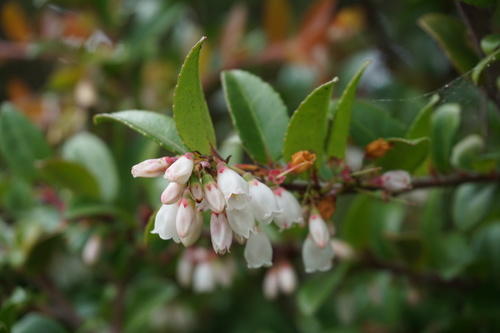
Hier kann man sehen Evergreen Huckleberry, Salal und Pacific Madrone.
Führer anzeigen →







.jpg&width=800)



