western columbine
Aquilegia formosa
The western columbine is a beautiful flower with bright red and yellow petals. It grows in forests and brings color to the woods during spring and summer.
Lebensraum: Forests
The western columbine has striking, spurred flowers with vibrant red sepals and yellow petals, creating a fiery bicolour display. Its nodding blooms stand out with their unique shape, making them easy to identify in its natural habitat.
Kategorie
PflanzenSeltenheit
Common
Gefahr
1/5 · Sehr gering
Snaps
Mach den ersten Snap!
Hummingbirds are its favorite visitors, using their long beaks like straws to sip nectar from deep inside!
Its unique flower shape makes it look like a tiny jester's hat or a cluster of launching rockets!
Some clever bees will chew holes in the flowers to steal nectar without helping to pollinate!
This hardy plant can often be found growing in rocky cracks, showing its amazing toughness!
western columbine has long, hollow spurs that hold sweet nectar, attracting hummingbirds perfectly suited to reach it.
Its delicate, divided leaves allow wind to pass through easily, helping the plant resist strong gusts on exposed slopes.
The bright red and yellow colors, along with specific nectar rewards, signal to pollinators that it's a valuable food source.
.jpg&width=800)
Selasphorus rufus
Sips nectar and carries pollen between flowers.
Bombus melanopygus
Visits flowers for nectar, aiding in pollination.
Odocoileus hemionus
May browse on its leaves and young shoots.
Blütenpflanzen sind alle Pflanzen, die als Teil ihres Fortpflanzungszyklus Blüten bilden.
Laubabwerfende Pflanzen werfen regelmäßig all ihre Blätter ab, typischerweise im Herbst oder in Trockenzeiten.
Frühlingsblüher bilden ihre Blüten im Frühjahr und kündigen oft das Ende des Winters und den Beginn neuen Wachstums an.
Duftende Blüten verströmen ein angenehmes Aroma, oft um Bestäuber anzulocken oder zur Abwehr.

Beschreibt Pflanzen, die für eine Vielzahl von bestäubenden Organismen besonders attraktiv und nützlich sind.

Farbenfroh beschreibt Organismen oder Objekte, die eine große Vielfalt an leuchtenden und deutlich erkennbaren Farben aufweisen.

Waldlebensräume sind terrestrische Lebensräume, die von dichtem Baumbestand dominiert werden und eine große Vielfalt an Pflanzen- und Tierarten beherbergen.
Noch keine Alternativnamen vorhanden.
Gefahr
1/5 · Sehr gering
Do not touch or eat flowers without asking an adult first.
30-90 cm
30-60 cm
3-5 cm
Late spring to mid-summer
Nein
Leicht
Mehrjährig
Vögel
Zoome hinein, um Cluster aufzulösen und zu sehen, wo dieses Objekt fotografiert wurde.
Neueste Snaps erscheinen hier, wenn neue Beobachtungen hinzukommen.

British Columbia, CA
Hier kann man sehen Broad-Leaved Stonecrop, Western Skunk Cabbage und Salal.
Führer anzeigen →
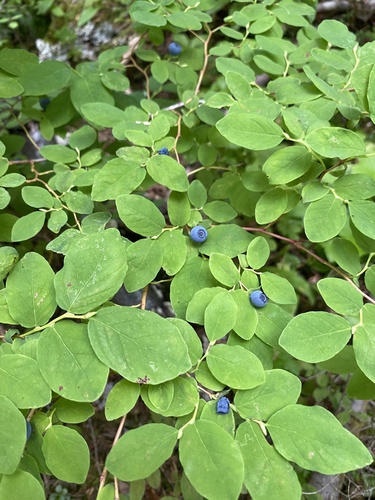
British Columbia, CA
Hier kann man sehen Oval-Leaf Blueberry und Columbia Lily.
Führer anzeigen →

British Columbia, CA
Hier kann man sehen Common Golden-Mantled Ground Squirrel.
Führer anzeigen →
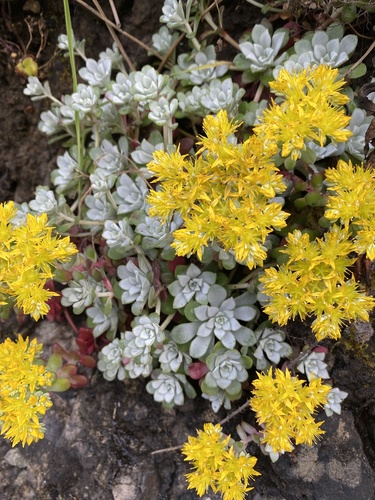
British Columbia, CA
Hier kann man sehen Broad-Leaved Stonecrop und Western Sword Fern.
Führer anzeigen →

British Columbia, CA
Hier kann man sehen Western Columbine, Mountain Lady's-Slipper und Thimbleberry.
Führer anzeigen →

British Columbia, CA
Hier kann man sehen Sitka Valerian, Leafy Aster und Pearly Everlasting.
Führer anzeigen →