Western Sandpiper
Calidris mauri
The Western Sandpiper is a small, quick bird that loves to run along the beach looking for tiny bugs and worms to eat. They have long legs and a pointed beak that helps them dig in the sand.
Lebensraum: Coastal areas
The Western Sandpiper is a small shorebird with dark legs and a short, slightly drooping black bill. In breeding season, it has reddish-brown patches on its back and streaky brown markings on its breast. In winter, it appears much plainer and grayer above with a white belly.
Kategorie
VögelSeltenheit
Common
Gefahr
1/5 · Sehr gering
Snaps
Mach den ersten Snap!
Their tiny chicks can leave the nest and find food just hours after hatching!
Their toes are slightly webbed, which helps them walk on soft mud!
They often forage with a distinctive 'sewing machine' head-bobbing motion!
Western Sandpipers make a high-pitched 'kreep' sound, like a squeaky toy!
Western Sandpiper can find hidden worms and crustaceans by feeling them with nerve endings in its bill, even without seeing them.
Western Sandpiper can drink salty water because specialized glands remove excess salt from its blood, helping it survive harsh coastal environments.
Western Sandpiper has incredible synchronized flight, helping large flocks confuse predators and efficiently find food.
Western Sandpipers feast on tiny worms and crustaceans found in mud and sand along the shore.
Falco peregrinus
A swift hunter, preying on migrating sandpipers along the coast.
Corophium volutator
Feeds on these small crustaceans hidden in the soft intertidal mud.

Zostera marina
Eelgrass beds provide shelter and food for the small invertebrates it eats.
Larus argentatus
These opportunistic gulls may snatch sandpipers, especially injured ones.
Gefiedert beschreibt Tiere, hauptsächlich Vögel, die ein Federkleid besitzen.
Soziale Tiere leben in organisierten Gruppen und kooperieren, um ihr Überleben zu sichern, beispielsweise bei der Nahrungssuche, Verteidigung und Aufzucht der Jungen.
Getarnt beschreibt Organismen, die über eine Färbung oder Musterung verfügen, durch die sie mit ihrer Umgebung verschmelzen.
Dieses Merkmal kennzeichnet Organismen, deren Nahrung hauptsächlich aus Insekten und anderen kleinen Wirbellosen besteht.

Küstenlebensräume sind dynamische Umgebungen an der Schnittstelle zwischen Land und Meer, die von Gezeiten, Wellen und Salzwasser geprägt sind.

Dieses Merkmal kennzeichnet Lebewesen, die bei der Jagd, Flucht oder Fortbewegung eine außergewöhnliche Schnelligkeit aufweisen.

Wandertiere unternehmen saisonale Wanderungen von einer Region in eine andere, meist als Reaktion auf Klimaänderungen oder Nahrungsverfügbarkeit.
Noch keine Alternativnamen vorhanden.
Gefahr
1/5 · Sehr gering
Always watch birds from a distance and don't try to catch them.
13-17 cm
35-37 cm
0.02-0.035 kg
10-12 Jahre
65 km/h
Western Sandpipers feast on tiny worms and crustaceans found in mud and sand along the shore.
Coastal areas
Foraging
Zoome hinein, um Cluster aufzulösen und zu sehen, wo dieses Objekt fotografiert wurde.
Neueste Snaps erscheinen hier, wenn neue Beobachtungen hinzukommen.

British Columbia, CA
Hier kann man sehen Greater Yellowlegs, Glaucous-Winged Gull und Rotbuche.
Führer anzeigen →
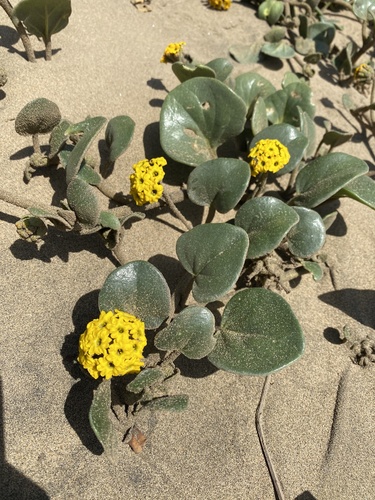
British Columbia, CA
Hier kann man sehen Yellow Sand Verbena und Barestem Biscuitroot.
Führer anzeigen →