






Western Thatching Ant
Formica obscuripes
The Western Thatching Ant is a busy little insect that builds cozy nests from grass and leaves. They work together as a team to gather food and take care of their home.
Lebensraum: Grasslands
The Western Thatching Ant is a medium-sized ant, typically dark reddish-brown to black, with a noticeably darker head and abdomen contrasting with a lighter reddish thorax. It has a slightly hairy body and legs. This species is visually distinguished by its often-large, dome-shaped nest mounds made of plant material.
Kategorie
InsektenSeltenheit
Common
Gefahr
2/5 · Gering
Snaps
Mach den ersten Snap!
Wow! Queen ants can live for over 15 years, starting giant new families!
Wow! Their huge nest mounds can sometimes grow taller than a child!
Wow! These ants communicate using invisible scent trails to find food and friends!
Wow! They can move their whole colony to a new home if their nest is damaged!
Western Thatching Ant can build impressive dome-shaped nests from plant material that helps insulate their colony from extreme temperatures.
Western Thatching Ant can spray formic acid from its abdomen that helps them deter predators and paralyze prey.
Western Thatching Ant can farm aphids for their sugary honeydew, which provides essential energy for the colony.
Western Thatching Ant has a strong social organization that helps them rapidly mobilize workers to defend their nest.
Western Thatching Ants eat sugary plant sap, insects, and other small creatures they find.
Aphis gossypii
Tends aphids for sugary honeydew, providing protection.
Ursus americanus
Bears sometimes dig up nests to eat ant larvae and adults.
Phrynosoma douglasii
Lizards prey on worker ants they encounter foraging.
Soziale Tiere leben in organisierten Gruppen und kooperieren, um ihr Überleben zu sichern, beispielsweise bei der Nahrungssuche, Verteidigung und Aufzucht der Jungen.
Dieses Merkmal kennzeichnet Organismen, deren Ernährung sowohl pflanzliche als auch tierische Bestandteile umfasst.
Grasland-Lebensräume sind terrestrische Biome, die von Gräsern und krautigen Pflanzen dominiert werden und einer Vielzahl von Weidetieren als Lebensraum dienen.
Beschreibt Organismen, die totes organisches Material abbauen und Nährstoffe in das Ökosystem zurückführen.

Bezieht sich auf Arten, die deutlich kleiner sind als der Durchschnitt oder das Typische ihrer Art.

Beschreibt eine Art, deren Anwesenheit und Rolle einen unverhältnismäßig großen Einfluss auf ihre Umwelt haben.

Tagaktive Tiere sind hauptsächlich bei Tageslicht aktiv und ruhen oder schlafen in der Regel nachts.

Beschreibt Organismen, die Pollen übertragen und so die Befruchtung und Fortpflanzung von Pflanzen ermöglichen.
Noch keine Alternativnamen vorhanden.
Gefahr
2/5 · Gering
Be careful not to disturb their nests, as they might bite if they feel threatened.
12-18 mm
4-8 mm
200-730 Tage
Western Thatching Ants eat sugary plant sap, insects, and other small creatures they find.
Grasslands
Foraging
6
10000-50000
Zoome hinein, um Cluster aufzulösen und zu sehen, wo dieses Objekt fotografiert wurde.
Neueste Snaps erscheinen hier, wenn neue Beobachtungen hinzukommen.
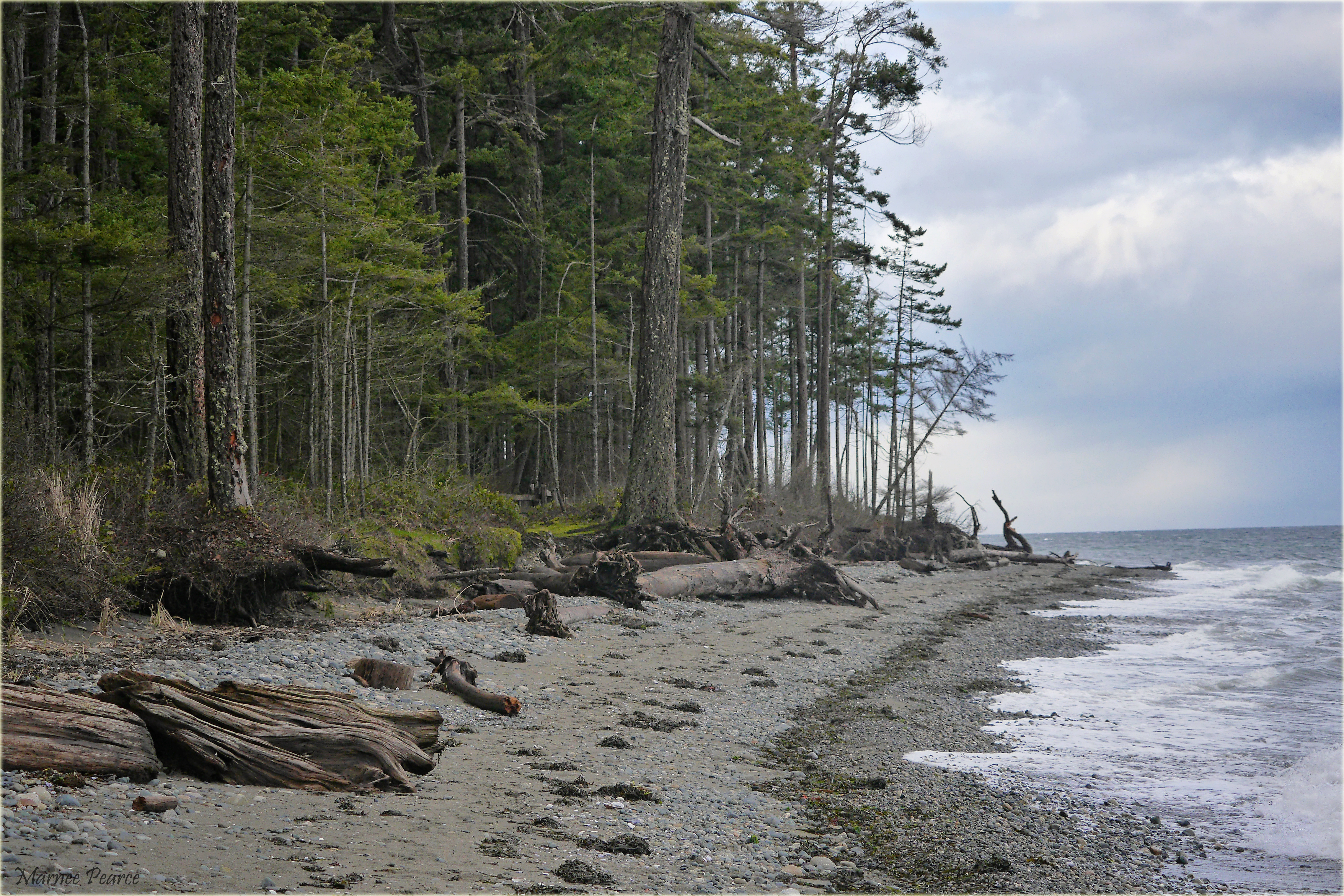
British Columbia, CA
Hier kann man sehen Wildkaninchen, Yellow Shore Crab und Nootka Rose.
Führer anzeigen →

British Columbia, CA
Hier kann man sehen Pacific Sanicle, Ivy und Pacific Madrone.
Führer anzeigen →
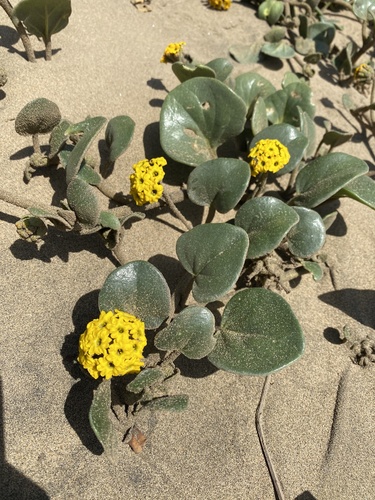
British Columbia, CA
Hier kann man sehen Yellow Sand Verbena und Barestem Biscuitroot.
Führer anzeigen →
.jpg)
British Columbia, CA
Hier kann man sehen Oregon Grape, Heartleaf Arnica und Solomon's Plume.
Führer anzeigen →











.jpg&width=800)


