
.jpg&width=800)





White-marked Tussock Moth
Orgyia leucostigma
The White-marked Tussock Moth is a fuzzy caterpillar that turns into a beautiful moth. It has soft, white tufts on its body that make it look like it's wearing a fluffy coat!
Lebensraum: Forests
The White-marked Tussock Moth is sexually dimorphic. Males have mottled grayish-brown wings marked with wavy dark lines and a distinct white spot on each forewing. Females are wingless, with a plump, grayish-tan body covered in short hairs, resembling a fuzzy blob.
Kategorie
InsektenSeltenheit
Common
Gefahr
2/5 · Gering
Snaps
Mach den ersten Snap!
Male moths are super good at finding females from far away, just by smelling their perfume!
Mom moths lay their eggs right on top of their old cocoons, making a cozy nursery!
The female moth has no wings and can't fly, she just waits for a mate!
Their caterpillars have bright 'tussocks' of hair, making them look like tiny fuzzy artists' brushes!
White-marked Tussock Moth caterpillars have spiky, irritating hairs that can cause a rash, helping deter predators.
Female moths are completely wingless, remaining near their cocoons and attracting males with powerful pheromones.
Young caterpillars can create a silken safety line, allowing them to drop quickly from danger and climb back up.
As caterpillars, they munch on the leaves of many different trees and shrubs.
Altersunterschiede: Adult moths do not feed, focusing solely on reproduction; only the larvae (caterpillars) eat.
Quercus alba
Caterpillars feed on their leaves, sometimes causing defoliation.
Acer saccharum
Larvae consume the foliage of maple trees.
Trichogramma ostriniae
Tiny wasps lay eggs inside the moth's eggs, preventing hatching.
Passer domesticus
Birds prey on the caterpillars and pupae.
Pelzig beschreibt Tiere, die eine dichte Schicht aus weichen Haaren oder Fell besitzen.
Einzelgänger leben den größten Teil ihres Lebens allein und interagieren mit Artgenossen nur zur Paarung oder zur Aufzucht der Jungen.
Dieses Merkmal kennzeichnet Lebewesen, deren Ernährung vollständig oder hauptsächlich aus pflanzlichem Material besteht.
Waldlebensräume sind terrestrische Lebensräume, die von dichtem Baumbestand dominiert werden und eine große Vielfalt an Pflanzen- und Tierarten beherbergen.

Tagaktive Tiere sind hauptsächlich bei Tageslicht aktiv und ruhen oder schlafen in der Regel nachts.

Beschreibt Organismen, die Pollen übertragen und so die Befruchtung und Fortpflanzung von Pflanzen ermöglichen.
Noch keine Alternativnamen vorhanden.
Gefahr
2/5 · Gering
Don't touch the caterpillar, as its hairs can irritate your skin.
25-35 mm
15-35 mm
5-15 Tage
As caterpillars, they munch on the leaves of many different trees and shrubs.
Forests
Foraging
6
Zoome hinein, um Cluster aufzulösen und zu sehen, wo dieses Objekt fotografiert wurde.
Neueste Snaps erscheinen hier, wenn neue Beobachtungen hinzukommen.
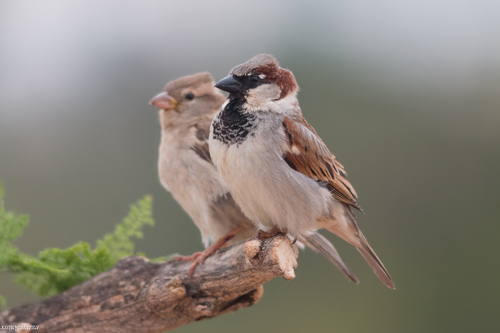
Ohio, US
Hier kann man sehen Haussperling, Amerikanische Kröte und Carolinataube.
Führer anzeigen →
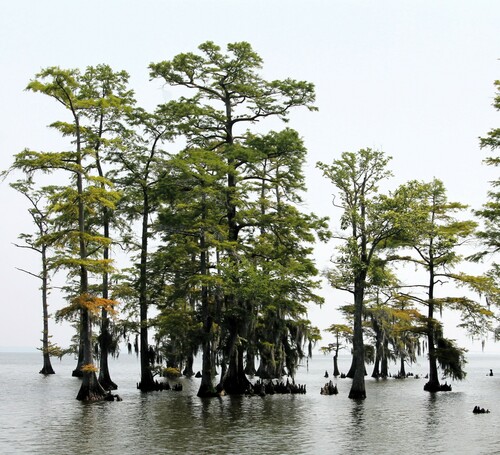
Tennessee, US
Hier kann man sehen Sumpfzypressen, Plain-Bellied Watersnake und Water Tupelo.
Führer anzeigen →















