






White-spotted Sawyer
Monochamus scutellatus
The White-spotted Sawyer is a long, slender beetle with beautiful white spots on its dark body. It loves to live in forests and plays an important role in nature by helping to break down dead trees.
Lebensraum: Forests
The White-spotted Sawyer is a large, black longhorn beetle with a shiny, iridescent body. Its wing covers are marked with scattered white or grayish spots, giving it a mottled appearance. Males have extremely long antennae, often twice their body length.
Kategorie
InsektenSeltenheit
Common
Gefahr
1/5 · Sehr gering
Snaps
Mach den ersten Snap!
Adults are super attracted to the smell of fresh-cut wood.
Larvae are called "sawyers" because they chew wood so loudly!
Males have antennae longer than their entire body!
They help forests by breaking down dead trees into soil.
White-spotted Sawyer larvae can tunnel deep into dead or dying trees, helping them decompose wood and find food.
White-spotted Sawyers have extra-long antennae that help them detect food, mates, and danger in their environment.
White-spotted Sawyers can fly across forests to find fresh wood for their larvae or new mates to reproduce.
White-spotted Sawyers have strong mandibles that help adults chew on bark and create small holes for laying eggs.
Adults nibble on conifer needles and bark, while larvae feast on dead wood.
Altersunterschiede: Larvae eat dead wood, adults primarily feed on conifer needles and bark.
Picea glauca
Larvae tunnel and feed on dead spruce wood.
Pinus strobus
Larvae infest and consume wood of dead pine trees.
Abies balsamea
Adults feed on needles, larvae infest dead fir.
Picoides arcticus
Woodpeckers drill to find and eat beetle larvae.
Mit Flecken oder farblich abgesetzten Bereichen gezeichnet.
Einzelgänger leben den größten Teil ihres Lebens allein und interagieren mit Artgenossen nur zur Paarung oder zur Aufzucht der Jungen.
Getarnt beschreibt Organismen, die über eine Färbung oder Musterung verfügen, durch die sie mit ihrer Umgebung verschmelzen.
Dieses Merkmal kennzeichnet Lebewesen, deren Ernährung vollständig oder hauptsächlich aus pflanzlichem Material besteht.

Waldlebensräume sind terrestrische Lebensräume, die von dichtem Baumbestand dominiert werden und eine große Vielfalt an Pflanzen- und Tierarten beherbergen.

Beschreibt Organismen, die totes organisches Material abbauen und Nährstoffe in das Ökosystem zurückführen.

Beschreibt eine Art, deren Anwesenheit und Rolle einen unverhältnismäßig großen Einfluss auf ihre Umwelt haben.

Beschreibt Organismen, die Pollen übertragen und so die Befruchtung und Fortpflanzung von Pflanzen ermöglichen.
Noch keine Alternativnamen vorhanden.
Gefahr
1/5 · Sehr gering
These beetles are not harmful, but it's best to look and not touch them.
25-50 mm
12-25 mm
30-60 Tage
Adults nibble on conifer needles and bark, while larvae feast on dead wood.
Forests
Foraging
6
Zoome hinein, um Cluster aufzulösen und zu sehen, wo dieses Objekt fotografiert wurde.
Neueste Snaps erscheinen hier, wenn neue Beobachtungen hinzukommen.
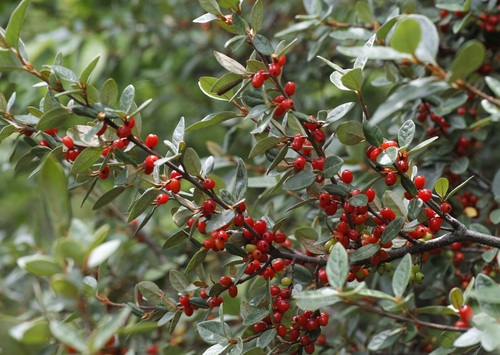
British Columbia, CA
Hier kann man sehen Canadian Buffalo-Berry, Oregon Boxwood und Pacific Trillium.
Führer anzeigen →
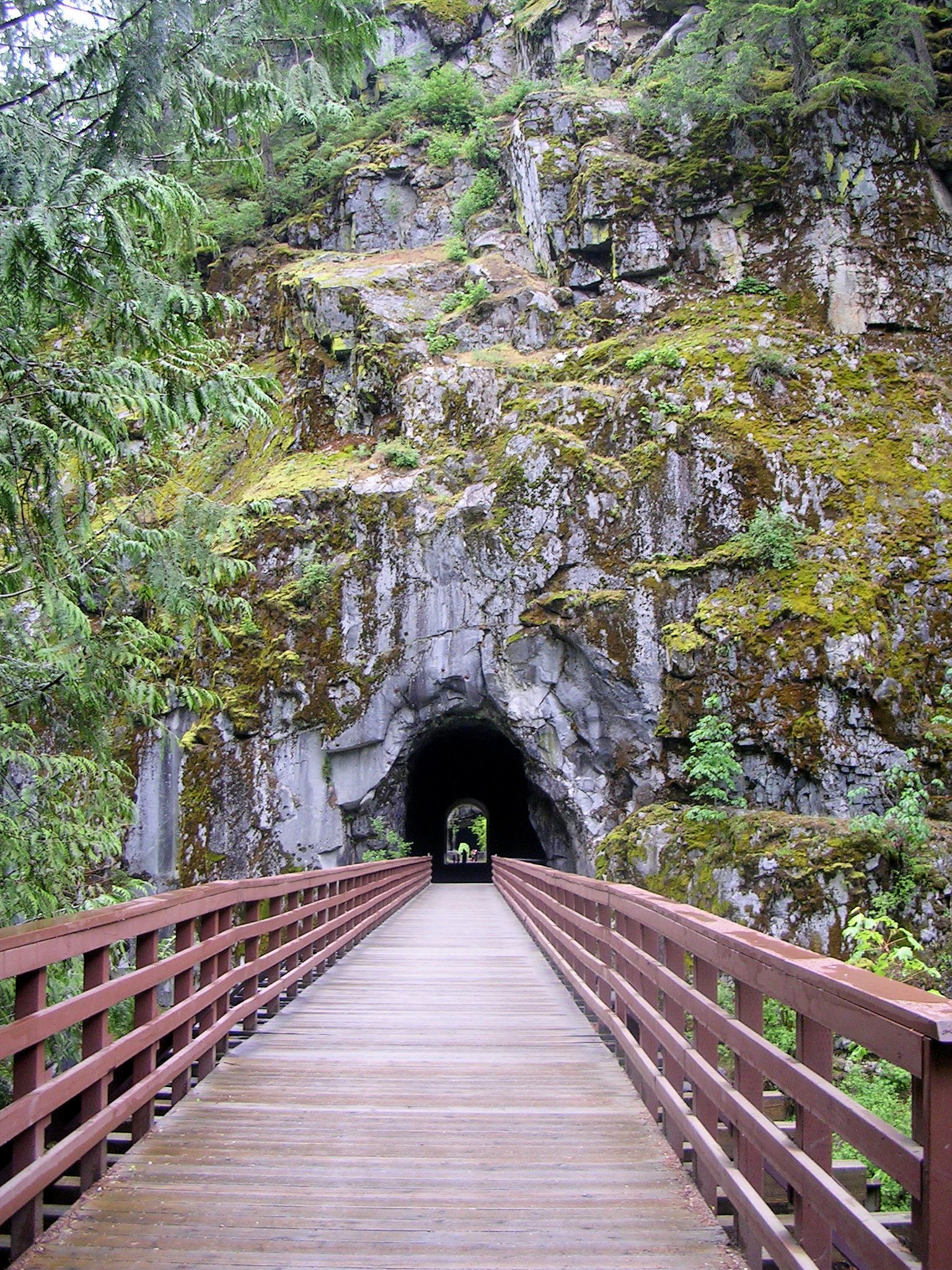
British Columbia, CA
Hier kann man sehen Western Sword Fern, Vine Maple und Thimbleberry.
Führer anzeigen →
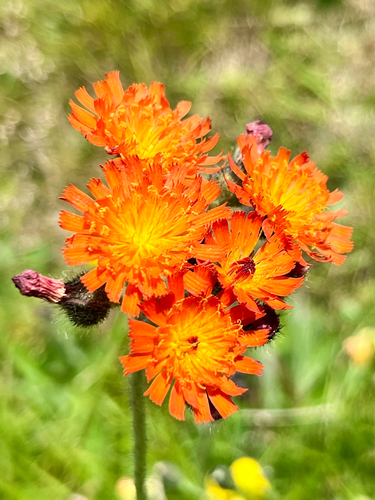
British Columbia, CA
Hier kann man sehen Orange Hawkweed, Shinyleaf Meadowsweet und Columbia Lily.
Führer anzeigen →

British Columbia, CA
Hier kann man sehen White Pasqueflower und Hoary Marmot.
Führer anzeigen →

Washington, US
Hier kann man sehen Cascade Oregon-Grape, Douglasie und Salal.
Führer anzeigen →







.jpg&width=800)

_Chromatopelma_cyaneopubescens_-_Venezuela_-_Female.jpg&width=800)


