






wild bergamot
Monarda fistulosa
Wild bergamot is a beautiful flower that grows in fields and meadows. It has lovely purple blooms and a sweet, minty smell that attracts butterflies and bees.
Lebensraum: Grasslands
The wild bergamot has unique spherical clusters of tubular, shaggy lavender-pink to purple flowers that stand out in fields. Its stems are distinctly square, and its opposite leaves have a slightly fuzzy texture, making it visually appealing and easy to identify.
Kategorie
PflanzenSeltenheit
Common
Gefahr
1/5 · Sehr gering
Snaps
Mach den ersten Snap!
Even though it looks wild, hummingbirds absolutely love sipping nectar from its flowers!
Its 'bergamot' scent isn't from the citrus fruit, but a similar aroma from its leaves!
Native Americans used this plant for teas and remedies, even for bee stings!
This plant is a cousin to mint, which is why its crushed leaves smell so fresh!
Wild bergamot can produce abundant nectar that helps it attract many different pollinators like bees, butterflies, and hummingbirds for reproduction.
Wild bergamot has special oils that give it a minty scent, helping it defend against some hungry animals and insects.
Wild bergamot can spread through underground stems called rhizomes, helping it form colonies and find new growing space.
Apis mellifera
Collects nectar and pollen from flowers.
Bombus impatiens
Buzz pollinates flowers for pollen and nectar.
Papilio glaucus
Sips nectar from the tubular flowers.

Archilochus colubris
Feeds on nectar, aiding pollination.
Sphinx eremita
Caterpillars feed on its leaves.
Aromatische Pflanzen produzieren und verströmen duftende flüchtige organische Verbindungen, oft zur Abwehr oder um Bestäuber anzulocken.
Blütenpflanzen sind alle Pflanzen, die als Teil ihres Fortpflanzungszyklus Blüten bilden.
Blütenbüschel sind Blütenstände, bei denen einzelne Blüten dicht beieinander an einem gemeinsamen Stängel angeordnet sind.
Sommerblühende Pflanzen bringen ihre Blüten während der Sommersaison hervor und sorgen oft für leuchtende Farben, wenn viele andere Pflanzen bereits verblüht sind.

Duftende Blüten verströmen ein angenehmes Aroma, oft um Bestäuber anzulocken oder zur Abwehr.

Heilpflanzen besitzen chemische Verbindungen, die für therapeutische Zwecke zur Behandlung von Krankheiten oder zur Erhaltung der Gesundheit eingesetzt werden können.

Beschreibt Pflanzen, die für eine Vielzahl von bestäubenden Organismen besonders attraktiv und nützlich sind.

Essbare Pflanzen sind diejenigen Pflanzenteile, die für den menschlichen Verzehr als unbedenklich gelten.

Grasland-Lebensräume sind terrestrische Biome, die von Gräsern und krautigen Pflanzen dominiert werden und einer Vielzahl von Weidetieren als Lebensraum dienen.

Schnellwachsende Pflanzen weisen eine beschleunigte Wachstumsrate auf und nehmen innerhalb kurzer Zeit schnell an Größe und Biomasse zu.
Noch keine Alternativnamen vorhanden.
Gefahr
1/5 · Sehr gering
Always look but don't touch flowers without asking an adult.
60-150 cm
30-90 cm
2-3 cm
Sommer
Ja
Keine
Mehrjährig
Insekten
Zoome hinein, um Cluster aufzulösen und zu sehen, wo dieses Objekt fotografiert wurde.
Neueste Snaps erscheinen hier, wenn neue Beobachtungen hinzukommen.

Minnesota, US
Hier kann man sehen Rue Anemone, Eastern Skunk Cabbage und Bloodroot.
Führer anzeigen →

Illinois, US
Hier kann man sehen Brautente, Rotschulterstärling und Ente.
Führer anzeigen →
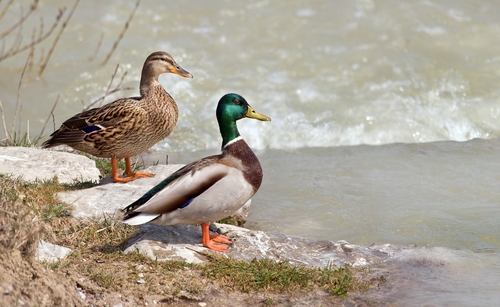
Illinois, US
Hier kann man sehen Ente, Wanderdrossel und Black-Crowned Night Heron.
Führer anzeigen →

Ohio, US
Hier kann man sehen Wild Bergamot, Tall Goldenrod und Rattlesnake Master.
Führer anzeigen →
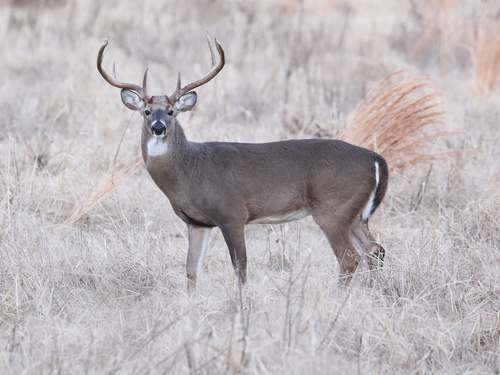
Michigan, US
Hier kann man sehen Weißwedelhirsch, Wild Bergamot und Truthuhn.
Führer anzeigen →

Quebec, CA
Hier kann man sehen Ohrenscharbe, Felsentaube und Wild Bergamot.
Führer anzeigen →




.jpg&width=800)






.jpg&width=800)


.jpg&width=800)
