wild teasel
Dipsacus fullonum
Wild teasel is a tall plant with spiky flowers that look like little purple brushes. It grows in fields and along roadsides, and it helps attract butterflies and bees!
Lebensraum: Grasslands
The wild teasel is a tall, spiky plant with a distinctive, conical flower head. It has small, purple-pink flowers that bloom in a unique band around the middle of the head, moving up and down. Its robust stems and leaves are covered in sharp prickles, and its dried seed heads remain upright through winter.
Kategorie
PflanzenSeltenheit
Common
Gefahr
1/5 · Sehr gering
Snaps
Mach den ersten Snap!
Goldfinches love to pluck seeds from its prickly, tall stalks.
Its spiky dried heads were once used to fluff up wool!
Rainwater pools in its leaves, sometimes trapping insects like a tiny pond!
The flowers bloom in a cool band, starting in the middle and spreading up and down!
Wild teasel has prickly stems and leaves that protect it from hungry animals wanting a snack.
Wild teasel can collect rainwater in its unique leaf bases, creating tiny pools that can trap insects or provide drinks for small creatures.
Wild teasel's tough, spiky seed heads persist through winter, providing a vital food source for birds when other food is scarce.
Apis mellifera
Gathers nectar and pollen
Carduelis carduelis
Feeds on seeds from heads
Vanessa cardui
Sips nectar from flowers

Helix aspersa
Consumes young leaves
Blütenpflanzen sind alle Pflanzen, die als Teil ihres Fortpflanzungszyklus Blüten bilden.
Sommerblühende Pflanzen bringen ihre Blüten während der Sommersaison hervor und sorgen oft für leuchtende Farben, wenn viele andere Pflanzen bereits verblüht sind.
Zweijährige Pflanzen vollenden ihren Lebenszyklus in zwei Vegetationsperioden, wobei sie im ersten Jahr normalerweise Laub bilden und im zweiten blühen und Samen tragen.
Beschreibt Pflanzen, die für eine Vielzahl von bestäubenden Organismen besonders attraktiv und nützlich sind.

Grasland-Lebensräume sind terrestrische Biome, die von Gräsern und krautigen Pflanzen dominiert werden und einer Vielzahl von Weidetieren als Lebensraum dienen.

Besitzt scharfe, spitze Vorsprünge oder Stacheln auf dem Körper oder der Oberfläche.

Beschreibt Organismen, die Pollen übertragen und so die Befruchtung und Fortpflanzung von Pflanzen ermöglichen.
Noch keine Alternativnamen vorhanden.
Gefahr
1/5 · Sehr gering
Be careful around the spiky parts of the plant, and always ask an adult before touching new plants.
100-250 cm
30-60 cm
0.5-1 cm
Sommer
Nein
Keine
Zweijährig
Insekten
Zoome hinein, um Cluster aufzulösen und zu sehen, wo dieses Objekt fotografiert wurde.
Neueste Snaps erscheinen hier, wenn neue Beobachtungen hinzukommen.
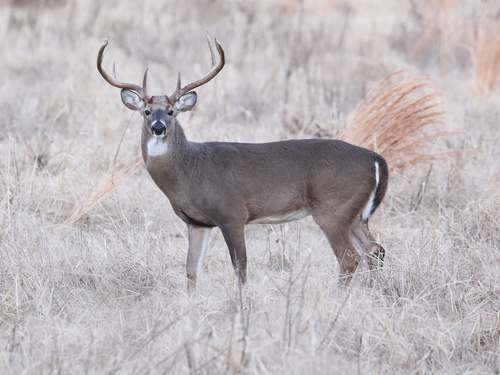
Michigan, US
Hier kann man sehen Weißwedelhirsch, Wild Bergamot und Truthuhn.
Führer anzeigen →

England, UK
Hier kann man sehen Cinnabar Moth, Common Moorhen und Marmalade Hover Fly.
Führer anzeigen →

Washington, US
Hier kann man sehen Kanadagans, Ente und American Coot.
Führer anzeigen →

Central Denmark Region, DK
Hier kann man sehen European Toad, Wild Teasel und Fireweed.
Führer anzeigen →
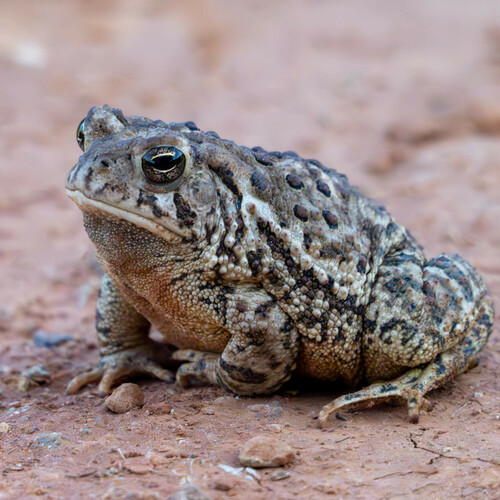
Washington, US
Hier kann man sehen Woodhouse's Toad, Rotschwanzbussard und Wild Teasel.
Führer anzeigen →