.jpg&width=800)





Willow Tit
Poecile montanus
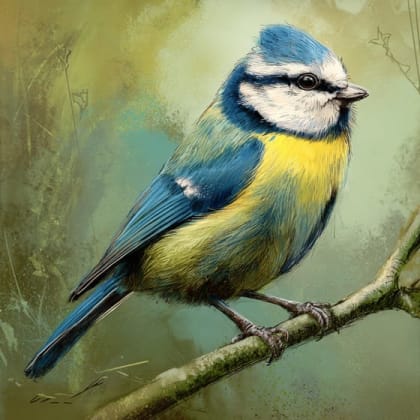
The Willow Tit is a small, cheerful bird that loves to flit around trees and bushes. With its fluffy black cap and soft brown feathers, it can be a bit tricky to spot, but it's always busy looking for food!
Lebensraum: Forests
The Willow Tit is a plump, grey-brown bird with a distinctive dull black cap that extends to its nape. It has pale buffish flanks and a small black bib, which helps differentiate it from the very similar Marsh Tit.
Kategorie
VögelSeltenheit
Common
Gefahr
1/5 · Sehr gering
Snaps
Mach den ersten Snap!
A Willow Tit's brain grows bigger in winter to help remember all its hidden food!
During winter, Willow Tits often join up with other bird species in mixed flocks!
Spotting a Willow Tit can be tough; they look almost identical to Marsh Tits!
Willow Tits are one of the only birds that actually excavate their own nest holes!
Willow Tits can carve their own nests into soft, rotting wood because their strong beaks help them create cozy homes for their chicks.
Willow Tits have an amazing memory that helps them recall hundreds of hidden food items, ensuring snacks are always available.
Willow Tits can survive chilly winters because they fluff up their feathers to trap warm air close to their bodies.
Willow Tits can move quietly through dense thickets because their small size and soft feathers help them sneak up on insects.
They mostly eat tiny insects and spiders in summer, switching to seeds and berries when it's colder.
Altersunterschiede: Young birds mostly eat insects for growth; adults adapt to seasonal food availability.

Accipiter nisus
A primary prey item for this agile bird of prey.

Strix aluco
These nocturnal hunters may take roosting Willow Tits.
Salix caprea
Often uses rotten wood of this tree for nesting sites.
Betula pendula
Provides seeds and cover, especially important in winter.
Gefiedert beschreibt Tiere, hauptsächlich Vögel, die ein Federkleid besitzen.
Soziale Tiere leben in organisierten Gruppen und kooperieren, um ihr Überleben zu sichern, beispielsweise bei der Nahrungssuche, Verteidigung und Aufzucht der Jungen.
Singende Tiere erzeugen komplexe Lautäußerungen, oft um Partner anzulocken, ihr Revier zu verteidigen oder innerhalb ihrer Art zu kommunizieren.
Baumbewohnende Tiere leben hauptsächlich in Bäumen und nutzen diese als Unterschlupf, Nahrungsquelle und zum Schutz vor Raubtieren.

Dieses Merkmal kennzeichnet Organismen, deren Nahrung hauptsächlich aus Insekten und anderen kleinen Wirbellosen besteht.

Waldlebensräume sind terrestrische Lebensräume, die von dichtem Baumbestand dominiert werden und eine große Vielfalt an Pflanzen- und Tierarten beherbergen.

Tagaktive Tiere sind hauptsächlich bei Tageslicht aktiv und ruhen oder schlafen in der Regel nachts.
Noch keine Alternativnamen vorhanden.
Gefahr
1/5 · Sehr gering
Enjoy watching birds from a distance and be quiet so you don't scare them away.
11.5-13 cm
17-20 cm
0.009-0.014 kg
2-9 Jahre
35 km/h
They mostly eat tiny insects and spiders in summer, switching to seeds and berries when it's colder.
Forests
Foraging
Zoome hinein, um Cluster aufzulösen und zu sehen, wo dieses Objekt fotografiert wurde.
Neueste Snaps erscheinen hier, wenn neue Beobachtungen hinzukommen.