

Woad
Isatis L.
Woad is a plant known for its brilliant blue dye. People have used it for coloring fabrics for a long time. The leaves of the woad plant are harvested to create the dye.
Lebensraum: Grasslands
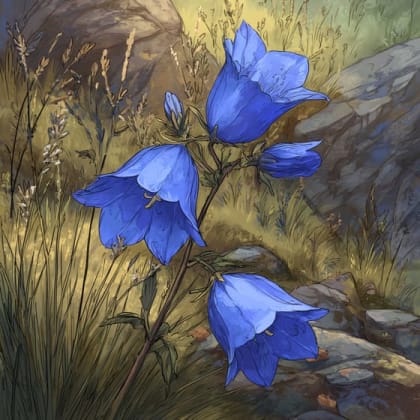
The Woad is a tall, erect plant with distinct bluish-green leaves. Its small, four-petaled flowers are a vibrant bright yellow, growing in dense clusters at the top of its stems, creating a striking contrast against its foliage.
Kategorie
PflanzenSeltenheit
Rare
Gefahr
2/5 · Gering
Snaps
Mach den ersten Snap!
Before indigo, woad was Europe's main source for blue dye, coloring royal clothing!
Making woad dye involves a stinky fermentation process, like brewing a potent, bubbly tea!
Woad seeds can stay alive in the soil for years, waiting for the perfect moment to sprout!
Woad was so valuable that special 'woad mills' processed its leaves into blue dye!
Woad can create a vibrant blue pigment that helps humans color textiles and inks for centuries.
Woad can thrive in disturbed soils and roadside edges, helping it colonize new, open areas effectively.
Woad has compounds used in traditional medicine, helping people treat various ailments and infections.
Apis mellifera
Visits its bright yellow flowers for nectar.
Pieris rapae
Its caterpillars feed on the plant's leaves.
Plutella xylostella
Larvae are a common pest of woad.
Blütenbüschel sind Blütenstände, bei denen einzelne Blüten dicht beieinander an einem gemeinsamen Stängel angeordnet sind.
Zweijährige Pflanzen vollenden ihren Lebenszyklus in zwei Vegetationsperioden, wobei sie im ersten Jahr normalerweise Laub bilden und im zweiten blühen und Samen tragen.
Dieses Merkmal zur menschlichen Nutzung weist auf Arten hin, aus denen natürliche Farbstoffe gewonnen und zum Färben von Textilien, Lebensmitteln oder anderen Materialien verwendet werden können.
Grasland-Lebensräume sind terrestrische Biome, die von Gräsern und krautigen Pflanzen dominiert werden und einer Vielzahl von Weidetieren als Lebensraum dienen.
Gefahr
2/5 · Gering
Avoid touching or consuming woad plants without adult supervision.
30-150 cm
30-60 cm
0.3-0.5 cm
Late spring to early summer
Ja
Leicht
Zweijährig
Insekten
Zoome hinein, um Cluster aufzulösen und zu sehen, wo dieses Objekt fotografiert wurde.
Neueste Snaps erscheinen hier, wenn neue Beobachtungen hinzukommen.