






Wood Stork
Mycteria americana
The Wood Stork is a tall, wading bird with long legs and a big beak. They like to stand in shallow water and catch fish with their beaks. These birds are very graceful when they fly!
Lebensraum: Wetlands
The Wood Stork is a large, white wading bird with dark gray to black flight feathers. It has an unfeathered, dark grayish-black head and neck, and a long, thick, downcurved bill. Its legs are pinkish.
Kategorie
VögelSeltenheit
Common
Gefahr
1/5 · Sehr gering
Snaps
Mach den ersten Snap!
Baby storks are born with soft, downy feathers covering their heads, which disappear as they grow.
Their extra-long, sensitive bills can snap shut on fish in less than 25 milliseconds!
They use a "foot-stirring" dance in shallow water to flush out hidden prey!
Wood Storks don't sing; they hiss and clatter their bills to talk to each other!
Wood Storks can find prey in murky water by feeling with their sensitive bills, which snap shut incredibly fast.
Wood Storks have broad wings that help them ride warm air currents, allowing long-distance flight with little effort.
Wood Storks have a unique ability to cool down by letting their droppings run down their legs.
They mostly eat small fish and other aquatic creatures by feeling for them in the water.
Alligator mississippiensis
Alligators sometimes prey on their eggs and young chicks.
Procyon lotor
Raccoons are known to raid nests for eggs and young storks.

Gambusia holbrooki
They effectively hunt small mosquitofish in shallow water.
%2C_Vorderansich.jpg&width=800)
Lithobates sphenocephalus
Commonly eats frogs and tadpoles found in wetlands.
Taxodium distichum
Often build their nests high in bald cypress trees.
Gefiedert beschreibt Tiere, hauptsächlich Vögel, die ein Federkleid besitzen.
Soziale Tiere leben in organisierten Gruppen und kooperieren, um ihr Überleben zu sichern, beispielsweise bei der Nahrungssuche, Verteidigung und Aufzucht der Jungen.
Filtrierer nehmen Nährstoffe auf, indem sie schwebende Nahrungspartikel und kleine Organismen aus dem Wasser filtern.
Fischfressende Organismen sind Tiere, die sich hauptsächlich von Fisch ernähren.

Dieses Lebensraummerkmal kennzeichnet Arten, die in Feuchtgebieten vorkommen. Dies sind Landflächen, die dauerhaft oder saisonal mit Wasser gesättigt sind, darunter Marschland, Sümpfe und Moore.

Tagaktive Tiere sind hauptsächlich bei Tageslicht aktiv und ruhen oder schlafen in der Regel nachts.

Wandertiere unternehmen saisonale Wanderungen von einer Region in eine andere, meist als Reaktion auf Klimaänderungen oder Nahrungsverfügbarkeit.

Der Status 'Stark gefährdet' bedeutet, dass eine Art in naher Zukunft einem sehr hohen Risiko ausgesetzt ist, in freier Wildbahn auszusterben.
Noch keine Alternativnamen vorhanden.
Gefahr
1/5 · Sehr gering
Always watch birds from a distance and do not disturb their nests.
83-115 cm
150-180 cm
2-4.5 kg
11-18 Jahre
50 km/h
They mostly eat small fish and other aquatic creatures by feeling for them in the water.
Wetlands
Foraging
Zoome hinein, um Cluster aufzulösen und zu sehen, wo dieses Objekt fotografiert wurde.
Neueste Snaps erscheinen hier, wenn neue Beobachtungen hinzukommen.

Alabama, US
Hier kann man sehen Baja California Rat Snake und Blue-Faced Honeyeater.
Führer anzeigen →
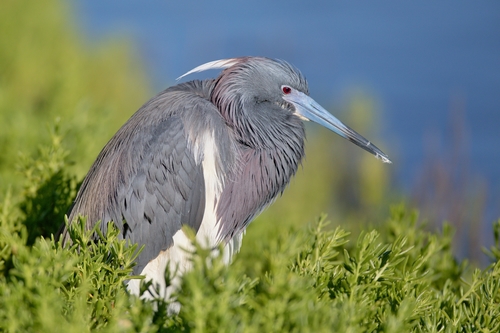
Florida, US
Hier kann man sehen Tricolored Heron, Roseate Spoonbill und Wood Stork.
Führer anzeigen →
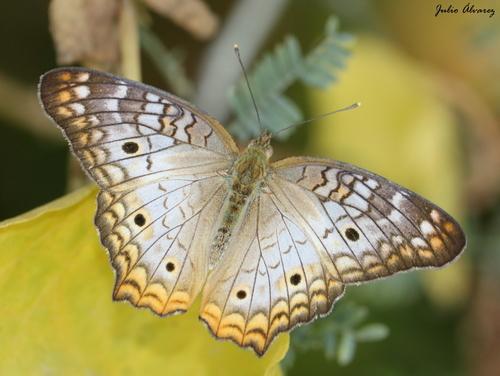
Florida, US
Hier kann man sehen White Peacock, Trailing Daisy und Kanadareiher.
Führer anzeigen →
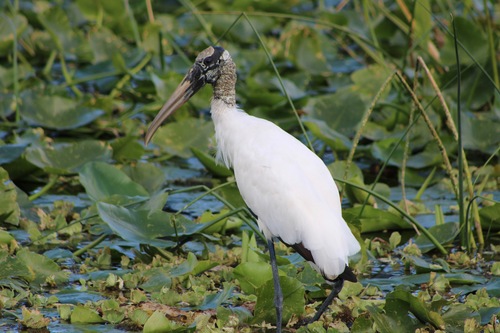
Florida, US
Hier kann man sehen Wood Stork, Brauner Anolis und Taro.
Führer anzeigen →
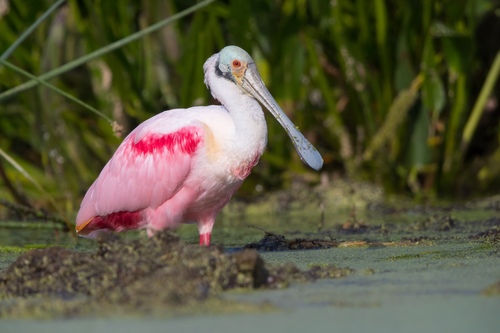
Florida, US
Hier kann man sehen Roseate Spoonbill, Tricolored Heron und Great Egret.
Führer anzeigen →












%2C_Santa_B%C3%A1rbara%2C_Jujuy%2C_Argentina_1.jpg&width=800)
