.jpg&width=800)





Yellow Baboon
papio cynocephalus
The Yellow Baboon is a playful and social animal that loves to live in groups. They have long limbs and a colorful face that makes them easy to spot in the wild!
Lebensraum: They live in grasslands and open savannas of Africa.
The Yellow Baboon has short, pale yellow to olive-brown fur and a long, dog-like muzzle with a dark face. Its strong limbs and a distinctive bare rump make it visually different from many other monkeys.
Kategorie
SäugetiereSeltenheit
Common
Gefahr
1/5 · Sehr gering
Snaps
Mach den ersten Snap!
Baboons use over 30 different calls and many facial expressions to communicate.
Their bare rumps can change color, becoming bright pink in mating season!
They often sleep high in trees at night to stay safe from predators.
Yellow baboons can live in troops of up to 200 individuals!
Yellow Baboon has keen eyesight and hearing that helps them spot predators or distant food sources quickly.
Yellow Baboon can use its large, sharp canine teeth to defend itself and process tough plant matter.
Yellow Baboon can swiftly climb trees because of its powerful limbs, which helps them escape danger.
Omnivores, they eat almost anything: fruits, grasses, seeds, insects, and even small animals.
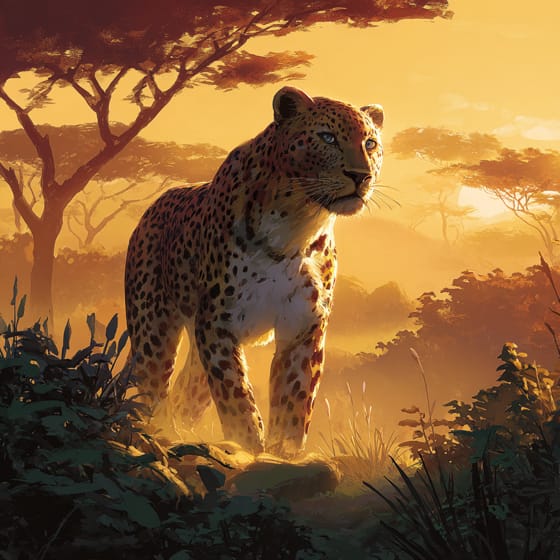
Panthera pardus
Leopards are a primary predator of baboons.
Crocuta crocuta
Hyenas sometimes hunt baboons, especially solitary individuals.
Vachellia tortilis
Baboons eat its pods and leaves, and use it for shelter.
Pelzig beschreibt Tiere, die eine dichte Schicht aus weichen Haaren oder Fell besitzen.
Soziale Tiere leben in organisierten Gruppen und kooperieren, um ihr Überleben zu sichern, beispielsweise bei der Nahrungssuche, Verteidigung und Aufzucht der Jungen.
Dieses Merkmal kennzeichnet Organismen, deren Ernährung sowohl pflanzliche als auch tierische Bestandteile umfasst.
Grasland-Lebensräume sind terrestrische Biome, die von Gräsern und krautigen Pflanzen dominiert werden und einer Vielzahl von Weidetieren als Lebensraum dienen.

Tagaktive Tiere sind hauptsächlich bei Tageslicht aktiv und ruhen oder schlafen in der Regel nachts.
Gefahr
1/5 · Sehr gering
Noch keine besonderen Sicherheitshinweise.
50-85 cm
10-30 kg
20-30 Jahre
45 km/h
Omnivores, they eat almost anything: fruits, grasses, seeds, insects, and even small animals.
They live in grasslands and open savannas of Africa.
Foraging
1-2
Zoome hinein, um Cluster aufzulösen und zu sehen, wo dieses Objekt fotografiert wurde.
Neueste Snaps erscheinen hier, wenn neue Beobachtungen hinzukommen.