
_female.JPG&width=800)





Yellow-bellied Sapsucker
Sphyrapicus varius
The Yellow-bellied Sapsucker is a special woodpecker with a bright yellow belly! They make holes in trees to drink the sweet sap inside. You can often hear their funny tapping sounds in the forest.
Lebensraum: Forests
The Yellow-bellied Sapsucker has a distinctive black and white barred back, a bold white stripe on its folded wing, and a red cap. Males also feature a bright red throat, contrasting with the yellowish wash on its belly.
Kategorie
VögelSeltenheit
Common
Gefahr
1/5 · Sehr gering
Snaps
Mach den ersten Snap!
A sapsucker's drumming isn't just for food; it's a unique language used to attract mates and mark territory!
Look for trees with rows of small, square holes; that's a sign a Yellow-bellied Sapsucker has been dining there!
These birds drill "sap wells" that other animals, like hummingbirds and squirrels, visit for a sugary snack!
They don't just eat sap! Baby sapsuckers are fed insects, fruit, and even a little sap to help them grow.
Yellow-bellied Sapsucker can create neat rows of shallow holes in tree bark because it provides a steady flow of nutritious sap.
Yellow-bellied Sapsucker has a specialized brush-tipped tongue that helps it lap up tree sap efficiently from its sap wells.
Yellow-bellied Sapsucker can excavate new nest cavities annually that provide homes for other forest creatures.
Feeds mainly on tree sap, collected from its own drilled holes, supplemented with insects and fruits.
Altersunterschiede: Young birds are fed mostly insects and fruit, gradually switching to a sap-heavy diet.
Acer rubrum
Provides sap for food.

Archilochus colubris
Drinks sap from sapsucker wells.

Glaucomys sabrinus
Uses old sapsucker cavities for nests.
Falco sparverius
Hunted by this bird of prey.
Gefiedert beschreibt Tiere, hauptsächlich Vögel, die ein Federkleid besitzen.
Soziale Tiere leben in organisierten Gruppen und kooperieren, um ihr Überleben zu sichern, beispielsweise bei der Nahrungssuche, Verteidigung und Aufzucht der Jungen.
Singende Tiere erzeugen komplexe Lautäußerungen, oft um Partner anzulocken, ihr Revier zu verteidigen oder innerhalb ihrer Art zu kommunizieren.
Dieses Merkmal kennzeichnet Lebewesen, deren Ernährung vollständig oder hauptsächlich aus pflanzlichem Material besteht.

Waldlebensräume sind terrestrische Lebensräume, die von dichtem Baumbestand dominiert werden und eine große Vielfalt an Pflanzen- und Tierarten beherbergen.

Beschreibt eine Art, deren Anwesenheit und Rolle einen unverhältnismäßig großen Einfluss auf ihre Umwelt haben.

Tagaktive Tiere sind hauptsächlich bei Tageslicht aktiv und ruhen oder schlafen in der Regel nachts.

Wandertiere unternehmen saisonale Wanderungen von einer Region in eine andere, meist als Reaktion auf Klimaänderungen oder Nahrungsverfügbarkeit.
Noch keine Alternativnamen vorhanden.
Gefahr
1/5 · Sehr gering
Enjoy watching birds from a distance and don't disturb their nests.
19-21 cm
34-40 cm
0.043-0.055 kg
4-7 Jahre
55 km/h
Feeds mainly on tree sap, collected from its own drilled holes, supplemented with insects and fruits.
Forests
Foraging
Zoome hinein, um Cluster aufzulösen und zu sehen, wo dieses Objekt fotografiert wurde.
Neueste Snaps erscheinen hier, wenn neue Beobachtungen hinzukommen.
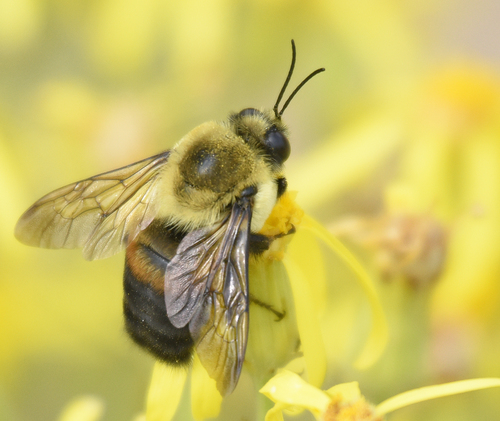
New York, US
Hier kann man sehen Brown-Belted Bumble Bee und östliches Grauhörnchen.
Führer anzeigen →
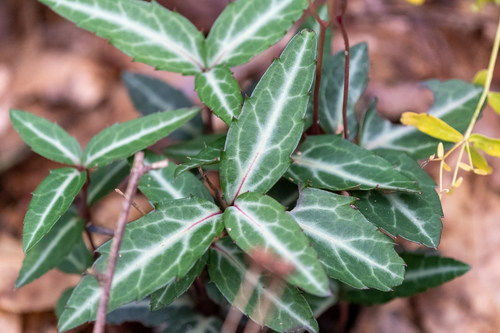
Virginia, US
Hier kann man sehen Striped Wintergreen, Christmas Fern und Autumn Olive.
Führer anzeigen →
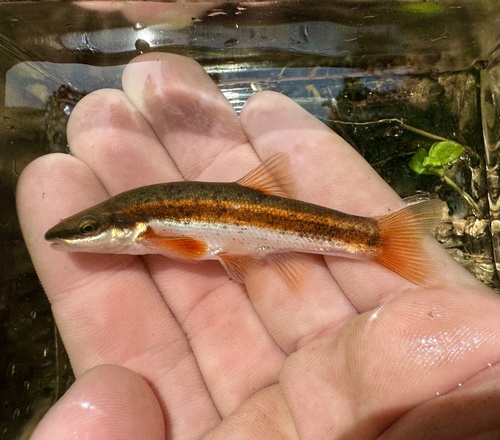
Virginia, US
Hier kann man sehen Eastern Blacknose Dace und Common Jewelweed.
Führer anzeigen →
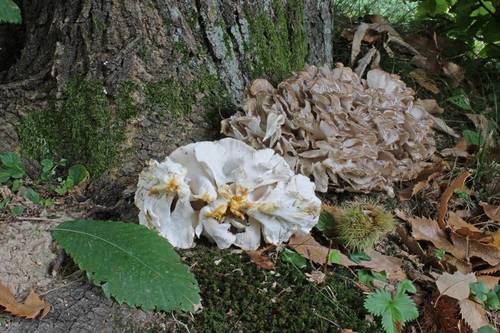
Virginia, US
Hier kann man sehen Gemeiner Klapperschwamm und Weiß-Eiche.
Führer anzeigen →




.jpg&width=800)






