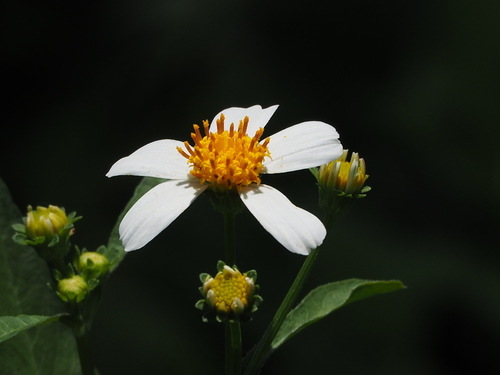
Yellow Fortnight Lily
dietes bicolor
The Yellow Fortnight Lily is a beautiful plant with bright yellow flowers that bloom every two weeks! It’s perfect for gardens and makes the world a little brighter with its cheerful colors.
Lebensraum: It thrives in gardens, parks, and natural areas across southern Africa.
The Yellow Fortnight Lily has striking creamy-yellow, iris-like flowers, each marked with three distinctive dark brown or purple spots near its center. Its long, slender, sword-shaped leaves form an evergreen clump that provides a lush green backdrop.
Kategorie
PflanzenSeltenheit
Common
Gefahr
0/5 · Keine bekannte Gefahr
Snaps
Mach den ersten Snap!
Each delicate flower only lasts for a single sunny day, then a new one blooms!
Its name comes from flowers often appearing every two weeks!
Its tough, sword-like leaves stay green all year long, even in winter!
Though called a lily, it's actually a distant relative of the beautiful iris flower!
Yellow Fortnight Lily can produce new flowers every two weeks, helping it attract pollinators continuously.
Yellow Fortnight Lily has tough roots that help it survive long dry spells without much water.
Yellow Fortnight Lily has underground stems called rhizomes that help it spread and form large, strong clumps.
Apis mellifera
collects nectar and pollen
Acraea horta
drinks flower nectar
Helix aspersa
eats tender leaves
Einzelgänger leben den größten Teil ihres Lebens allein und interagieren mit Artgenossen nur zur Paarung oder zur Aufzucht der Jungen.
Farbenfroh beschreibt Organismen oder Objekte, die eine große Vielfalt an leuchtenden und deutlich erkennbaren Farben aufweisen.
Dieses Merkmal kennzeichnet Lebewesen, deren Ernährung vollständig oder hauptsächlich aus pflanzlichem Material besteht.
Tagaktive Tiere sind hauptsächlich bei Tageslicht aktiv und ruhen oder schlafen in der Regel nachts.

Beschreibt Organismen, die Pollen übertragen und so die Befruchtung und Fortpflanzung von Pflanzen ermöglichen.
Gefahr
0/5 · Keine bekannte Gefahr
Noch keine besonderen Sicherheitshinweise.
60-150 cm
60-120 cm
6-8 cm
Spring to fall
Nein
Keine
Mehrjährig
Insekten
Zoome hinein, um Cluster aufzulösen und zu sehen, wo dieses Objekt fotografiert wurde.
Neueste Snaps erscheinen hier, wenn neue Beobachtungen hinzukommen.