.jpg&width=800)





Yellow Poplar Weevil
Odontopus calceatus
The Yellow Poplar Weevil is a small bug that loves to munch on the leaves of tulip trees. They have a shiny yellow body with black spots, making them easy to spot on the trees they like!
Lebensraum: Forests
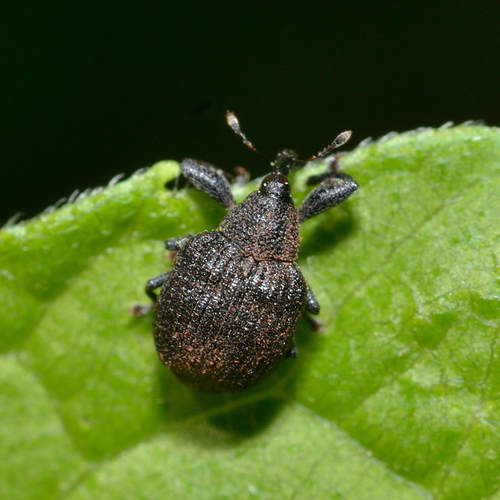
The Yellow Poplar Weevil is a small, oval-shaped insect, typically dark brown to black in color, often with yellowish-brown scales on its wing covers. It has a distinctive long, downward-curving snout, or proboscis, extending from its head. Its body is somewhat pear-shaped.
Kategorie
InsektenSeltenheit
Common
Gefahr
1/5 · Sehr gering
Snaps
Mach den ersten Snap!
Adult weevils often play dead, falling off leaves to escape scary predators.
Its long snout is actually its mouth, used like a tiny drill and a straw!
This weevil can make an entire tree's leaves look rusty brown from all their munching!
Young weevils are tiny leaf miners, tunneling hidden highways inside leaves!
Yellow Poplar Weevil larvae can tunnel inside leaves because their tiny bodies fit perfectly, helping them hide from predators while they eat.
The Yellow Poplar Weevil has a long snout that helps them pierce and chew plant tissues to slurp up yummy sap and plant juices.
The Yellow Poplar Weevil has a tough, protective exoskeleton that helps them resist attacks from predators like birds and spiders.
These weevils are plant-eaters, feasting on leaves of trees like the yellow poplar.
Altersunterschiede: Larvae tunnel and feed within leaves (leaf miners), while adults chew holes and skeletonize leaves.
Liriodendron tulipifera
eats its leaves
Magnolia grandiflora
feeds on its leaves
Cyanocitta cristata
a common food source
Microctonus calceati
lays eggs inside adults
Mit Flecken oder farblich abgesetzten Bereichen gezeichnet.
Soziale Tiere leben in organisierten Gruppen und kooperieren, um ihr Überleben zu sichern, beispielsweise bei der Nahrungssuche, Verteidigung und Aufzucht der Jungen.
Farbenfroh beschreibt Organismen oder Objekte, die eine große Vielfalt an leuchtenden und deutlich erkennbaren Farben aufweisen.
Dieses Merkmal kennzeichnet Lebewesen, deren Ernährung vollständig oder hauptsächlich aus pflanzlichem Material besteht.

Waldlebensräume sind terrestrische Lebensräume, die von dichtem Baumbestand dominiert werden und eine große Vielfalt an Pflanzen- und Tierarten beherbergen.

Tagaktive Tiere sind hauptsächlich bei Tageslicht aktiv und ruhen oder schlafen in der Regel nachts.

Beschreibt Organismen, die Pollen übertragen und so die Befruchtung und Fortpflanzung von Pflanzen ermöglichen.
Noch keine Alternativnamen vorhanden.
Gefahr
1/5 · Sehr gering
These bugs are not harmful, but it's best to look and not touch them.
2.5-3.5 mm
30-60 Tage
These weevils are plant-eaters, feasting on leaves of trees like the yellow poplar.
Forests
Foraging
6
Zoome hinein, um Cluster aufzulösen und zu sehen, wo dieses Objekt fotografiert wurde.
Neueste Snaps erscheinen hier, wenn neue Beobachtungen hinzukommen.






.jpg&width=800)