)_(37765990112).jpg&width=800)





Abia americana
Abia americana
El Abia americana es un insecto divertido y colorido conocido por sus colores brillantes y patrones únicos. Le encanta volar alrededor de las flores y ¡es un importante ayudante para las plantas!
Hábitat: Áreas urbanas
El Abia americana es un insecto robusto, parecido a una abeja, con un cuerpo azul-negro metálico y alas ahumadas y transparentes. Su característica más distintiva son las antenas, que son gruesas y en forma de maza en los extremos, lo que lo hace visualmente diferente de la mayoría de las avispas o abejas.
Categoría
InsectosRareza
Common
Peligro
1/5 · Muy bajo
Snaps
¡Sé la primera persona en hacer un snap!
Las moscas sierra adultas no pueden picar, aunque pueden parecerse mucho a las avispas.
¡Sus larvas parecen orugas pero tienen patas abdominales adicionales, lo que las hace únicas!
El nombre "mosca sierra" proviene de la herramienta de oviposición en forma de sierra de la hembra.
¡Son parientes de abejas y hormigas, todos pertenecientes al orden Hymenoptera!
Las hembras de Abia americana pueden cortar tallos y hojas de plantas con una herramienta especial similar a una sierra para poner sus huevos de forma segura dentro del tejido vegetal.
Sus larvas pueden segregar químicos defensivos malolientes de sus cuerpos, lo que las hace poco apetitosas para depredadores como las aves.
Los adultos tienen un cuerpo grueso y color oscuro que los hace parecerse un poco a una avispa, lo que podría disuadir a algunos depredadores.
Las larvas mastican hojas de árboles, mientras que los adultos se centran principalmente en la reproducción y no comen mucho.
Diferencias por edad: Las larvas son voraces devoradoras de hojas, mientras que los adultos se centran principalmente en la reproducción y pueden sorber néctar o no alimentarse en absoluto.
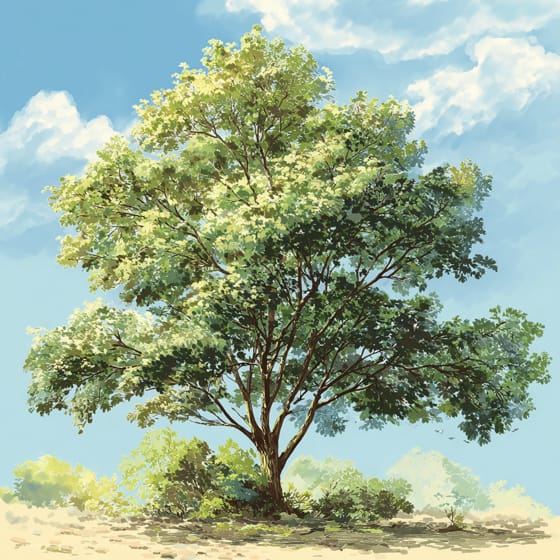
Ulmus americana
Las larvas se alimentan de sus hojas.
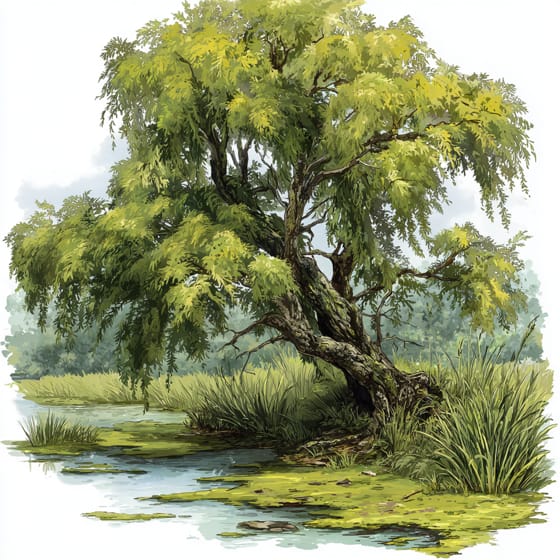
Salix nigra
Otra planta hospedadora para las larvas devoradoras de hojas.
Parus atricapillus
Se alimenta de larvas y adultos de moscas sierra.
Vespula maculifrons
Depreda larvas de moscas sierra para su nido.
Los animales sociales viven en grupos organizados, cooperando para obtener beneficios de supervivencia como la búsqueda de alimento, la defensa y la cría de descendencia.
Las criaturas aéreas pasan una parte importante de su vida en el aire, utilizando el vuelo para diversas actividades como la caza, la migración o la anidación.
Colorido describe a organismos u objetos que exhiben una amplia variedad de colores brillantes y distintivos.
Este rasgo caracteriza a los organismos cuya dieta consiste total o principalmente en material vegetal.

Describe plantas que son particularmente atractivas y beneficiosas para una amplia variedad de organismos polinizadores.

Los animales diurnos están activos principalmente durante el día y suelen descansar o dormir por la noche.

Esta característica de hábitat indica especies que pueden coexistir con los humanos en entornos urbanos y suburbanos, utilizando estructuras artificiales y espacios verdes.

Describe organismos que transfieren polen, permitiendo la fertilización y reproducción de las plantas.
Todavía no hay alias listados.
Peligro
1/5 · Muy bajo
Estos insectos son amigables, pero es mejor observarlos de lejos.
La forma más fácil de identificar a Abia americana es usar la aplicación de identificación de naturaleza Snappit.
24-36 mm
12-18 mm
7-14 días
Las larvas mastican hojas de árboles, mientras que los adultos se centran principalmente en la reproducción y no comen mucho.
Áreas urbanas
Forrajeo
6
Acércate para separar los grupos y explorar dónde se ha fotografiado este objeto.
Los snaps recientes aparecerán aquí a medida que se añadan nuevas observaciones.
Llévate el descubrimiento
Haz una foto con Snappit, identifica la especie y guarda el hallazgo en tu colección.







.jpg&width=800)



