.jpg&width=800)





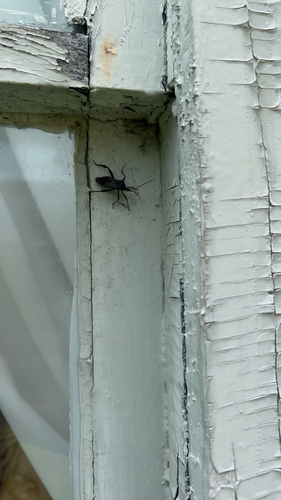
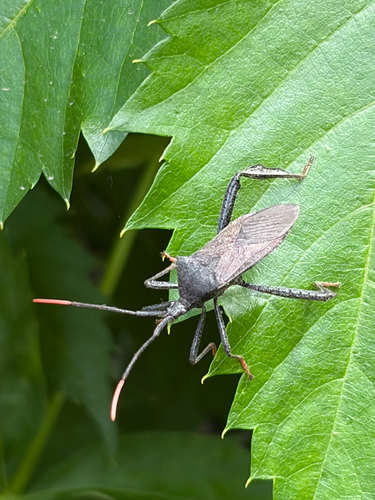
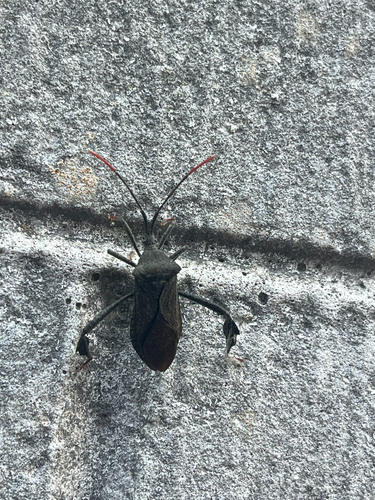
Acanthocephala terminalis
Acanthocephala terminalis
Acanthocephala terminalis es un tipo especial de insecto que vive en el agua. Tiene una forma de cuerpo única y se puede encontrar en estanques y lagos, ¡lo que lo convierte en una criatura fascinante de descubrir!
Hábitat: Áreas de agua dulce
El Acanthocephala terminalis es un insecto pequeño y espinoso, típicamente de color marrón oscuro a negro, con una distintiva punta rojiza-anaranjada al final de su abdomen. Su duro exoesqueleto está cubierto de diminutas y afiladas cerdas, dándole una apariencia rugosa que lo hace visualmente diferente de los escarabajos de cuerpo más liso.
Categoría
InsectosRareza
Rare
Peligro
2/5 · Bajo
Snaps
38
¡Si se siente amenazado, a veces puede hacerse el muerto quedándose completamente inmóvil!
¡Sus larvas viven escondidas bajo tierra, alimentándose de raíces durante meses antes de emerger!
¡Este insecto usa sus antenas para olfatear sus hojas favoritas desde lejos!
¡Las diminutas espinas del cuerpo actúan como ganchos, ayudándole a aferrarse fuertemente a las plantas con el viento!
Acanthocephala terminalis tiene un exoesqueleto duro y erizado que les ayuda a disuadir a los depredadores de morderlos.
Acanthocephala terminalis puede permanecer perfectamente inmóvil contra la corteza de los árboles, debido a su coloración críptica y cuerpo texturizado que les ayuda a evitar la detección.
Acanthocephala terminalis tiene garras especializadas en sus patas que les ayudan a agarrarse a superficies rugosas, permitiéndoles trepar árboles y plantas con facilidad.
¡Este insecto herbívoro se alimenta principalmente de las hojas de plantas específicas!
Diferencias por edad: Las larvas se alimentan de raíces de plantas, mientras que los adultos consumen hojas.
Sialia sialis
Los azulejos a menudo buscan insectos en los árboles.
Tamias striatus
Las ardillas rayadas ocasionalmente complementan su dieta con insectos.
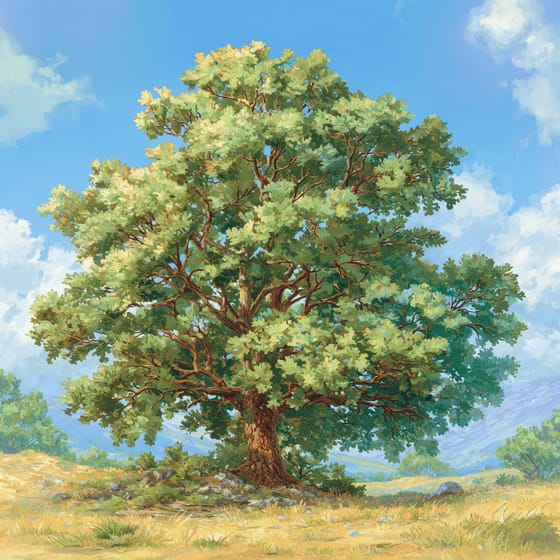
Quercus alba
Las larvas de este insecto se alimentan de las raíces de los robles.
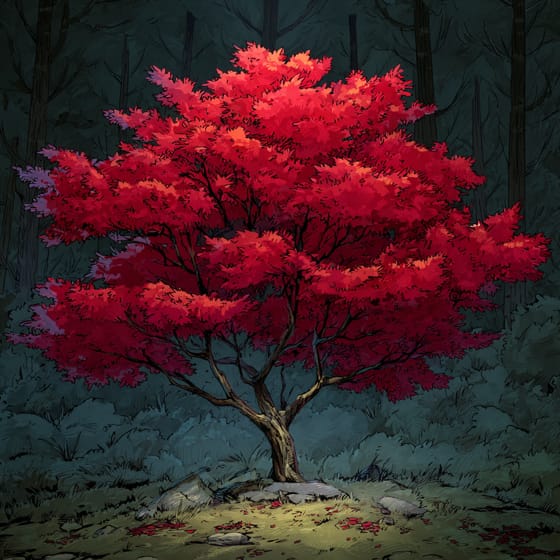
Acer rubrum
Los adultos se alimentan de las hojas de varios árboles caducifolios.
Los animales solitarios viven solos durante la mayor parte de su vida y solo interactúan con otros para aparearse o cuidar de sus crías.
Los filtradores obtienen nutrientes filtrando partículas de alimentos suspendidos y pequeños organismos del agua.
Este rasgo caracteriza a los organismos cuya dieta consiste total o principalmente en material vegetal.
Posee proyecciones puntiagudas y afiladas o espinas en el cuerpo o en la superficie.

Los hábitats de agua dulce incluyen entornos acuáticos no salinos como ríos, lagos, estanques y humedales, vitales para numerosas especies.

Relativo a especies que son significativamente más pequeñas que lo típico o promedio de su tipo.

Los hábitats acuáticos abarcan entornos donde los organismos viven principalmente en el agua, incluidos océanos, ríos, lagos y humedales.
Este rasgo describe organismos que viven sobre o dentro de un organismo huésped, obteniendo nutrientes a expensas de este.
Todavía no hay alias listados.
Peligro
2/5 · Bajo
Siempre lávate las manos después de explorar áreas de agua para mantenerte limpio y saludable.
La forma más fácil de identificar a Acanthocephala terminalis es usar la aplicación de identificación de naturaleza Snappit.
10-30 mm
5-15 mm
30-180 días
8 km/h
¡Este insecto herbívoro se alimenta principalmente de las hojas de plantas específicas!
Áreas de agua dulce
Forrajeo
Acércate para separar los grupos y explorar dónde se ha fotografiado este objeto.
5 jun 2026
Bristol Downtown Historic DistrictFuente abierta (iNaturalist) ↗
Créditos de la foto
no rights reserved
Licencia: CC0 1.0 ↗
La imagen puede mostrarse recortada dentro del marco de la carta.
26 abr 2026
Honor Heights ParkFuente abierta (iNaturalist) ↗
Créditos de la foto
(c) Felix Blesch, some rights reserved (CC BY)
Licencia: CC BY 4.0 ↗
La imagen puede mostrarse recortada dentro del marco de la carta.
23 abr 2026
Flint RiverQuariumFuente abierta (iNaturalist) ↗
Créditos de la foto
(c) Lexa, some rights reserved (CC BY)
Licencia: CC BY 4.0 ↗
La imagen puede mostrarse recortada dentro del marco de la carta.

Tennessee, US
Puedes ver Oso Negro y Trillium Amarillo.
Ver guía →

Arkansas, US
Puedes ver Ardilla Gris Oriental y Mariquita Asiática.
Ver guía →

Vermont, US
Puedes ver Falopia Japonesa y Carpintero Ventrirrojo.
Ver guía →

District of Columbia, US
Puedes ver Mosca Linterna Moteada y Ardilla Gris Oriental.
Ver guía →
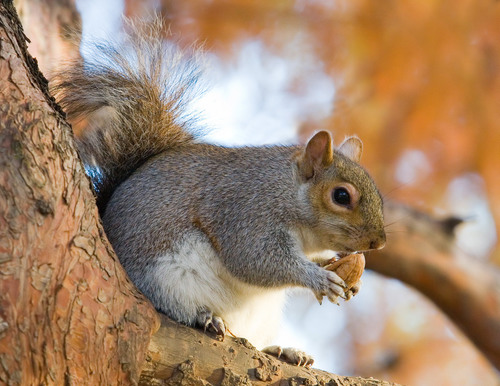
Georgia, US
Puedes ver Ardilla Gris Oriental, Gato Doméstico y Petirrojo Americano.
Ver guía →

Michigan, US
Puedes ver Tortuga De Caja Oriental, Olivo De Otoño y Common Watersnake.
Ver guía →
Llévate el descubrimiento
Haz una foto con Snappit, identifica la especie y guarda el hallazgo en tu colección.









.jpg&width=800)




