





Acraspis pezomachoides
Acraspis pezomachoides
La Acraspis pezomachoides es un tipo especial de insecto que se puede encontrar en la naturaleza. Tiene una forma y color únicos que le ayudan a mimetizarse con su entorno, ¡lo que lo hace un poco difícil de detectar!
Hábitat: Bosques
La Acraspis pezomachoides es una avispa diminuta de cuerpo oscuro, típicamente de color marrón rojizo a negro, con un abdomen redondeado y alas pequeñas y claras. Su forma compacta y sin rasgos distintivos la ayuda a mimetizarse con su entorno, lo que la hace difícil de detectar.
Categoría
InsectosRareza
Common
Peligro
1/5 · Muy bajo
Snaps
¡Sé la primera persona en hacer un snap!
¡Construye increíbles agallas elásticas que protegen a sus crías en el interior!
¡Algunos de sus parientes incluso se reproducen sin pareja!
¡Sus crías viven dentro de casas de plantas hechas a medida!
¡Estas diminutas avispas son como arquitectos para los robles!
Acraspis pezomachoides puede engañar a los robles para que desarrollen 'viveros' personalizados para sus crías gracias a los químicos especiales que inyecta durante la puesta de huevos.
Acraspis pezomachoides tiene larvas que se desarrollan de forma segura escondidas dentro de las agallas de las plantas, lo que les ayuda a evitar depredadores y condiciones climáticas adversas.
Acraspis pezomachoides puede alternar entre dos formas de vida diferentes (sexual y asexual) que crean agallas únicas, lo que les ayuda a adaptarse y reproducirse de manera eficiente.
Las avispas adultas beben néctar, mientras que las larvas comen tejido vegetal dentro de sus agallas para nutrirse.
Diferencias por edad: Las larvas se alimentan de tejido de roble dentro de las agallas; los adultos consumen néctar o savia.
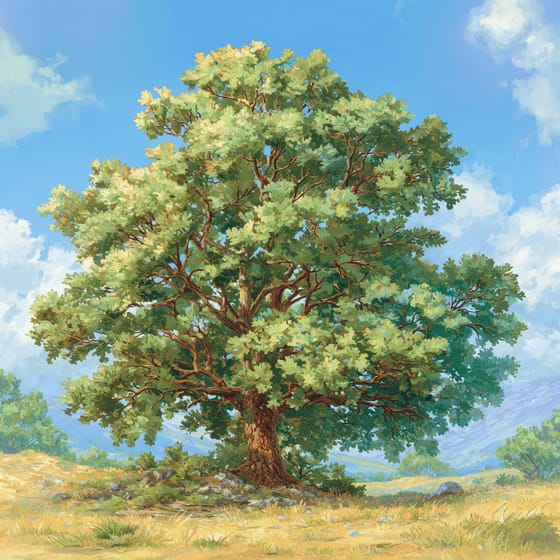
Quercus alba
Para el crecimiento de agallas que protegen a sus crías.

Poecile carolinensis
Pequeñas aves podrían comer avispas adultas.
Torymus bedeguaris
Otros insectos a menudo ponen huevos dentro de sus agallas.
Quercus rubra
Crea agallas protectoras en hojas y ramitas.
Los animales solitarios viven solos durante la mayor parte de su vida y solo interactúan con otros para aparearse o cuidar de sus crías.
El camuflaje describe a los organismos que poseen colores o patrones que les permiten mezclarse con su entorno.
Este rasgo caracteriza a los organismos cuya dieta consiste total o principalmente en material vegetal.
Los hábitats boscosos son entornos terrestres dominados por una densa cubierta arbórea, que sustentan una gran diversidad de vida animal y vegetal.

Los animales diurnos están activos principalmente durante el día y suelen descansar o dormir por la noche.

Relativo a especies que son significativamente más pequeñas que lo típico o promedio de su tipo.

Describe organismos que transfieren polen, permitiendo la fertilización y reproducción de las plantas.
Todavía no hay alias listados.
Peligro
1/5 · Muy bajo
Siempre mira, pero no toques los insectos a menos que sepas que son seguros.
La forma más fácil de identificar a Acraspis pezomachoides es usar la aplicación de identificación de naturaleza Snappit.
4-8 mm
2-4 mm
7-21 días
Las avispas adultas beben néctar, mientras que las larvas comen tejido vegetal dentro de sus agallas para nutrirse.
Bosques
Forrajeo
6
Acércate para separar los grupos y explorar dónde se ha fotografiado este objeto.
Los snaps recientes aparecerán aquí a medida que se añadan nuevas observaciones.
Llévate el descubrimiento
Haz una foto con Snappit, identifica la especie y guarda el hallazgo en tu colección.







.jpg&width=800)



