



Alfalfa
Medicago sativa
La alfalfa es una planta especial que los agricultores cultivan para alimentar a animales como vacas y caballos. Tiene pequeñas flores moradas y ayuda a enriquecer el suelo donde crece.
Hábitat: Granjas, Pastizales
La Alfalfa tiene tallos esbeltos y erguidos con hojas trifoliadas, lo que significa que cada pecíolo lleva tres folíolos ovales. Sus pequeñas flores, parecidas a guisantes, son típicamente de color púrpura o azul vibrante, creciendo en densos y cortos racimos en las puntas de los tallos, asemejándose a racimos de uvas en miniatura.
Categoría
PlantasRareza
Common
Peligro
1/5 · Muy bajo
Snaps
8
¡Las flores de alfalfa son pequeñas, pero atraen a muchas abejas y mariposas ocupadas!
¡Los antiguos griegos y romanos alimentaban a sus caballos con alfalfa para darles fuerza!
Es una prima de los guisantes y las judías, todas parte de la familia especial de las leguminosas.
¡Su nombre 'Alfalfa' viene del árabe, que significa 'padre de todos los alimentos'!
¡La Alfalfa puede extraer nitrógeno del aire y almacenarlo en el suelo, actuando como un fertilizante natural para otras plantas!
La Alfalfa tiene raíces increíblemente profundas que pueden alcanzar agua muy por debajo de la tierra, ayudándola a sobrevivir largos períodos de sequía.
La Alfalfa puede volver a crecer rápidamente después de ser cortada, lo que permite a los agricultores cosecharla varias veces al año.
Apis mellifera
Las abejas recolectan néctar y polen de sus flores.
Bos taurus
El ganado come alfalfa como forraje altamente nutritivo.
Ensifer meliloti
Las bacterias en sus raíces fijan el nitrógeno del aire.
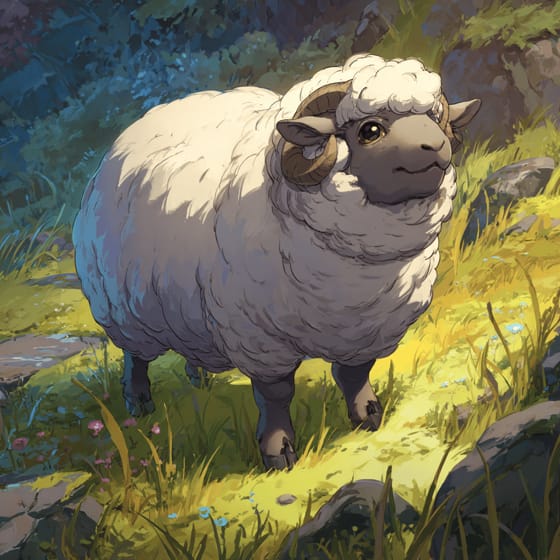
Ovis aries
Las ovejas a menudo pastan alfalfa en los pastizales.
Describe a los organismos capaces de convertir el nitrógeno atmosférico en compuestos utilizables por las plantas.
Las plantas medicinales poseen compuestos químicos que pueden utilizarse con fines terapéuticos para tratar enfermedades o mantener la salud.
Este rasgo de uso humano describe las especies cultivadas o domesticadas por los humanos con fines agrícolas, incluyendo cultivos y ganado.
Las plantas de crecimiento rápido exhiben tasas de crecimiento aceleradas, aumentando rápidamente de tamaño y biomasa en un corto período de tiempo.

Los hábitats de pastizales son biomas terrestres dominados por pastos y plantas herbáceas, que sustentan a una variedad de animales de pastoreo.
Peligro
1/5 · Muy bajo
Si ves alfalfa en la naturaleza, es mejor no comerla a menos que un adulto te diga que es seguro.
La forma más fácil de identificar a Alfalfa es usar la aplicación de identificación de naturaleza Snappit.
30-90 cm
30-60 cm
0.5-1 cm
Spring to fall
Sí
Ninguna
Perenne
Acércate para separar los grupos y explorar dónde se ha fotografiado este objeto.

Montana, US
Puedes ver Pino Ponderosa, Búho Cornudo y Cernícalo Americano.
Ver guía →

New Mexico, US
Puedes ver Pato, Correcaminos Grande y Petirrojo Americano.
Ver guía →

Michigan, US
Puedes ver Serreta Grande, Tanaceto y Gaviota Argéntea Americana.
Ver guía →

Nebraska, US
Puedes ver Paloma Bravía, Alfalfa y Gorrión Común.
Ver guía →

New Mexico, US
Puedes ver Penstemon De Las Montañas Rocosas y Linaria De Dalmacia.
Ver guía →

Nebraska, US
Puedes ver Saltamontes Bispinoso De Garganta Espolón.
Ver guía →
Llévate el descubrimiento
Haz una foto con Snappit, identifica la especie y guarda el hallazgo en tu colección.









.jpg&width=800)



_001.jpg&width=800)




