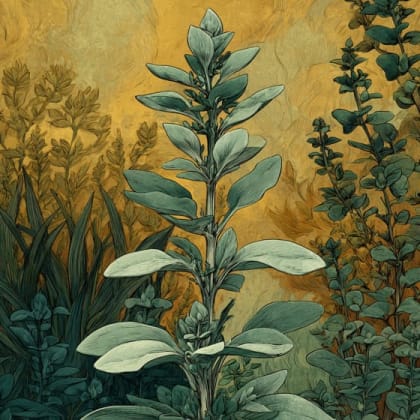


Amaranth
Amaranthus retroflexus
Amaranth is a vibrant plant with colorful flowers that can be red, purple, or gold. It grows tall and strong in gardens and fields, adding beauty to the landscape.
Hábitat: Gardens, Fields
The Amaranth is a tall, upright plant with sturdy, often reddish stems and broad green leaves. Its small, greenish flowers are packed tightly into dense, bristly spikes at the top and in leaf axils, sometimes tinged with red.
Categoría
PlantasRareza
Common
Peligro
1/5 · Muy bajo
Snaps
¡Sé la primera persona en hacer un snap!
Amaranth seeds are tiny but mighty, packed with more protein than most other grains!
Ancient Aztecs relied on Amaranth as a super-grain, vital for their food and sacred rituals!
The word 'Amaranth' means 'unfading' in Greek, for its long-lasting and vibrant flower clusters!
This plant has a unique reddish taproot, giving it the common name 'Redroot Pigweed'!
Amaranth produces tens of thousands of tiny seeds per plant, helping it spread widely and survive even harsh conditions.
Amaranth can grow in dry, poor soils, a special ability that helps it thrive where many other plants struggle.
Amaranth has incredibly fast growth, allowing it to quickly establish itself and outcompete other plants for vital resources.
Passer domesticus
Feeds on the numerous seeds.
Odocoileus virginianus
Browses on the young foliage.
Chaetocnema concinna
Larvae can tunnel into stems.
Las plantas de floración de verano producen sus flores durante la temporada estival, a menudo aportando un color vibrante cuando muchas otras plantas ya han terminado de florecer.
Las plantas de floración primaveral producen sus flores durante la temporada de primavera, lo que a menudo significa el final del invierno y el comienzo de un nuevo crecimiento.
Las plantas que producen nueces dan frutos de cáscara dura, comúnmente conocidos como frutos secos o nueces, que contienen una sola semilla y son una valiosa fuente de alimento.
Este rasgo de uso humano denota especies cultivadas como cultivos de granos, cosechadas por sus semillas secas comestibles (granos), que son una fuente de alimento básico.

Las plantas comestibles son aquellas partes de una planta que se consideran seguras para el consumo humano.

Las plantas de crecimiento rápido exhiben tasas de crecimiento aceleradas, aumentando rápidamente de tamaño y biomasa en un corto período de tiempo.

Este rasgo indica que los organismos pertenecen a un grupo evolutivo muy antiguo con antepasados que se remontan a millones de años.
Peligro
1/5 · Muy bajo
Enjoy the beauty of amaranth from a distance and avoid picking or eating plants without an adult's permission.
30-250 cm
30-100 cm
0.1-0.3 cm
Summer_fall
Sí
Ninguna
Anual
Viento
Acércate para separar los grupos y explorar dónde se ha fotografiado este objeto.
Los snaps recientes aparecerán aquí a medida que se añadan nuevas observaciones.