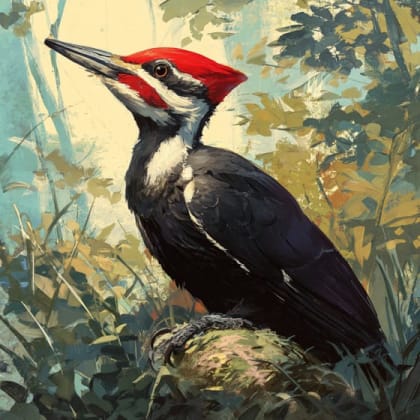
Amazon Kingfisher
Chloroceryle amazona
The Amazon Kingfisher is a colorful bird that loves to fish! With its bright green and blue feathers, it can be found near rivers and lakes, where it dives to catch its meals.
Hábitat: Wetlands
The Amazon Kingfisher has a striking iridescent green back and cap, contrasting with a clean white belly. Males boast a broad rufous-chestnut band across their breast, while females have a white breast band with green flecking. Its long, dagger-like black bill is perfectly suited for fishing.
Categoría
AvesRareza
Common
Peligro
1/5 · Muy bajo
Snaps
¡Sé la primera persona en hacer un snap!
Both parents feed chicks up to 100 times daily, working hard to raise their young!
Kingfisher feathers shimmer green or blue, changing color as light hits them!
Kingfishers dig tunnels up to 3 feet long in riverbanks to build their cozy nests!
Their super-fast wings beat so quickly they look like a blur when they fly!
Amazon Kingfisher has special eyes that can focus perfectly in both air and water, helping them spot fish clearly.
Amazon Kingfisher can dive into water headfirst with incredible precision, creating barely a ripple to catch its prey.
Amazon Kingfisher can hover mid-air, flapping its wings rapidly, to get the perfect angle before plunging for a fish.
Mainly eats small fish, but also aquatic insects and tiny crustaceans caught with a speedy dive.
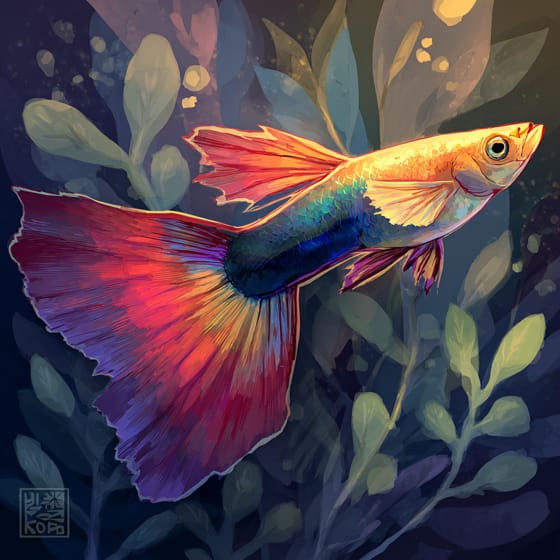
Poecilia reticulata
Small fish are a primary food source.
Corydoras aeneus
Kingfishers dive for these small, bottom-dwelling fish.
Boa constrictor
Snakes may prey on eggs, chicks, or even adult birds.

Spizaetus ornatus
Large raptors can occasionally prey on adult kingfishers.
Describe a los animales, principalmente aves, que poseen una cubierta de plumas.
Los animales solitarios viven solos durante la mayor parte de su vida y solo interactúan con otros para aparearse o cuidar de sus crías.
Las criaturas aéreas pasan una parte importante de su vida en el aire, utilizando el vuelo para diversas actividades como la caza, la migración o la anidación.
Colorido describe a organismos u objetos que exhiben una amplia variedad de colores brillantes y distintivos.

Los organismos piscívoros son animales que subsisten principalmente de una dieta a base de peces.

Este rasgo de hábitat identifica especies que se encuentran en humedales, que son áreas de tierra saturadas de agua, ya sea permanente o estacionalmente, e incluyen marismas, pantanos y ciénagas.

Los hábitats de agua dulce incluyen entornos acuáticos no salinos como ríos, lagos, estanques y humedales, vitales para numerosas especies.

Este rasgo identifica a los organismos cuya dieta consiste total o principalmente en tejido animal.

Los animales diurnos están activos principalmente durante el día y suelen descansar o dormir por la noche.

Este rasgo identifica a los organismos que exhiben una rapidez excepcional en sus movimientos para cazar, escapar o desplazarse.
Todavía no hay alias listados.
Peligro
1/5 · Muy bajo
Always watch birds from a distance and be quiet so you don't scare them away.
29-30 cm
40-45 cm
0.08-0.12 kg
5-7 años
45 km/h
Mainly eats small fish, but also aquatic insects and tiny crustaceans caught with a speedy dive.
Wetlands
Ambush
Acércate para separar los grupos y explorar dónde se ha fotografiado este objeto.
Los snaps recientes aparecerán aquí a medida que se añadan nuevas observaciones.