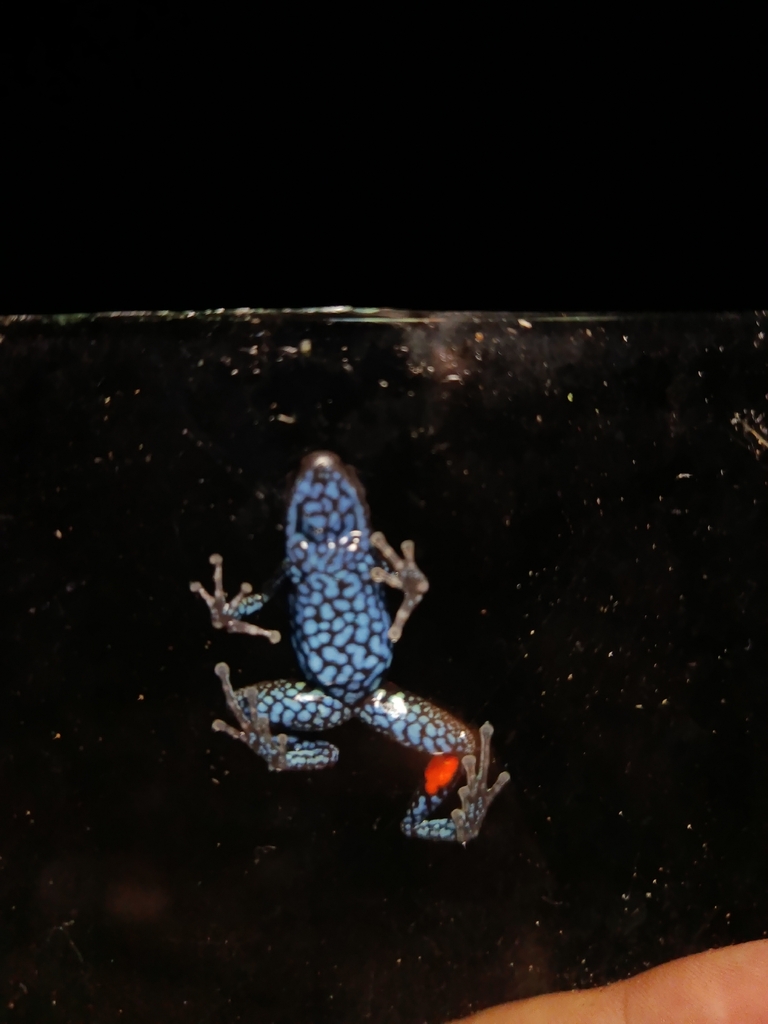





Ameerega ingeri
Ameerega ingeri
La Ameerega ingeri es una rana colorida a la que le encanta saltar por la selva tropical. Tiene patrones brillantes que le ayudan a camuflarse con las hojas y flores que la rodean.
Hábitat: Selvas tropicales
La Ameerega ingeri es una rana pequeña y llamativa, que a menudo exhibe un verde brillante o verde amarillento con atrevidas manchas o rayas negras en su espalda. Su piel granular y sus vívidos patrones la hacen destacar contra el suelo del bosque.
Categoría
AnfibiosRareza
Common
Peligro
2/5 · Bajo
Snaps
¡Sé la primera persona en hacer un snap!
Ameerega ingeri obtiene sus químicos de defensa especiales de las hormigas y ácaros que come.
¡Cada Ameerega ingeri tiene patrones únicos, como una pequeña huella dactilar en su piel!
En lugar de poner huevos en el agua, ¡esta rana los pone en hojas en el suelo del bosque!
¡Los colores vibrantes de esta rana son en realidad una señal de advertencia para los depredadores: '¡No toques!'
¡A esta pequeña rana le encanta masticar pequeños insectos y ácaros que se encuentran en el bosque!
Los animales sociales viven en grupos organizados, cooperando para obtener beneficios de supervivencia como la búsqueda de alimento, la defensa y la cría de descendencia.
El camuflaje describe a los organismos que poseen colores o patrones que les permiten mezclarse con su entorno.
Colorido describe a organismos u objetos que exhiben una amplia variedad de colores brillantes y distintivos.
Este rasgo identifica a los organismos cuya dieta consiste principalmente en insectos y otros pequeños invertebrados.

Este rasgo de hábitat se refiere a las especies que se encuentran en las selvas tropicales, caracterizadas por una alta precipitación anual, gran biodiversidad y una densa cubierta arbórea.

Los animales diurnos están activos principalmente durante el día y suelen descansar o dormir por la noche.

Este rasgo identifica a los organismos que exhiben una rapidez excepcional en sus movimientos para cazar, escapar o desplazarse.

El estado de peligro de extinción indica que una especie corre un riesgo muy alto de extinguirse en estado silvestre en un futuro próximo.
Todavía no hay alias listados.
Peligro
2/5 · Bajo
Lávate siempre las manos después de tocar ranas, ya que algunas pueden tener una piel especial que podría irritarte.
La forma más fácil de identificar a Ameerega ingeri es usar la aplicación de identificación de naturaleza Snappit.
2-3.5 cm
0.002-0.005 kg
3-5 años
¡A esta pequeña rana le encanta masticar pequeños insectos y ácaros que se encuentran en el bosque!
Selvas tropicales
Forrajeo
5-20
Acércate para separar los grupos y explorar dónde se ha fotografiado este objeto.
Los snaps recientes aparecerán aquí a medida que se añadan nuevas observaciones.
Llévate el descubrimiento
Haz una foto con Snappit, identifica la especie y guarda el hallazgo en tu colección.







.JPG&width=800)


.jpg&width=800)

