.jpg&width=800)





American Coot
Fulica americana
The American Coot is a fun bird that loves to swim and dive in the water! With its round body and funny feet, it can be seen in lakes and ponds, making it a great friend for nature explorers.
Hábitat: Wetlands
The American Coot has a plump, slate-gray body with a distinctive white bill and a small, dark red frontal shield on its forehead. Its feet are greenish-yellow with large, lobed toes, making it look unique compared to ducks.
Categoría
AvesRareza
Common
Peligro
1/5 · Muy bajo
Snaps
¡Sé la primera persona en hacer un snap!
A group of coots is sometimes called a 'cover' or 'raft' when on water.
Baby coots have bright orange and red feathers on their heads that disappear as they grow up!
Despite looking like a duck, the American Coot is actually part of the rail family.
When taking flight, coots 'run' across the water's surface to gain enough speed.
American Coots have unique lobed toes, not fully webbed, that help them paddle powerfully in water and walk easily on land.
American Coots can dive underwater for up to 30 seconds to forage for plants and small aquatic animals.
American Coots build clever floating nests anchored to plants, which helps protect their eggs from rising water.
The American Coot is an omnivore, eating a mix of plants and small creatures found in the water.
Haliaeetus leucocephalus
Adults and chicks can be prey for large birds of prey.
Procyon lotor
Nests and chicks are vulnerable to opportunistic predators.
Typha latifolia
Feeds on seeds and roots of aquatic vegetation.
Describe a los animales, principalmente aves, que poseen una cubierta de plumas.
Se caracteriza por tener los dedos conectados por una membrana, lo que generalmente ayuda a nadar.
Los animales sociales viven en grupos organizados, cooperando para obtener beneficios de supervivencia como la búsqueda de alimento, la defensa y la cría de descendencia.
Este rasgo identifica organismos cuya dieta incluye tanto materia vegetal como animal.

Este rasgo de hábitat identifica especies que se encuentran en humedales, que son áreas de tierra saturadas de agua, ya sea permanente o estacionalmente, e incluyen marismas, pantanos y ciénagas.

Los hábitats de agua dulce incluyen entornos acuáticos no salinos como ríos, lagos, estanques y humedales, vitales para numerosas especies.

Los animales diurnos están activos principalmente durante el día y suelen descansar o dormir por la noche.
Todavía no hay alias listados.
Peligro
1/5 · Muy bajo
Always watch birds from a distance and don't try to touch them.
34-43 cm
58-71 cm
0.45-0.8 kg
3-9 años
50 km/h
The American Coot is an omnivore, eating a mix of plants and small creatures found in the water.
Wetlands
Foraging
Acércate para separar los grupos y explorar dónde se ha fotografiado este objeto.
Los snaps recientes aparecerán aquí a medida que se añadan nuevas observaciones.

Washington, US
Puedes ver Pato, American Wigeon y Gaviota De Delaware.
Ver guía →

Tennessee, US
Puedes ver American Coot, Crane-Fly Orchid y Pied-Billed Grebe.
Ver guía →

Washington, US
Puedes ver Barnacla Canadiense, Margarita y Pato.
Ver guía →
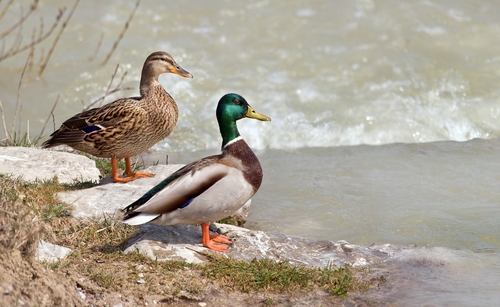
Washington, US
Puedes ver Pato, American Coot y Barnacla Canadiense.
Ver guía →
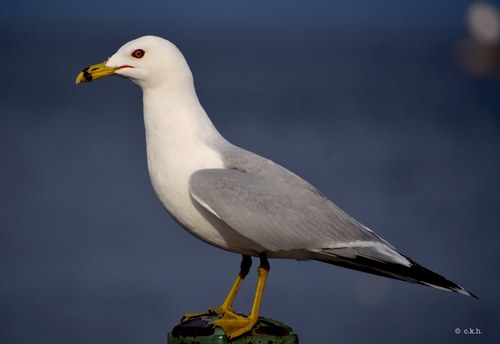
Washington, US
Puedes ver Gaviota De Delaware y Barnacla Canadiense.
Ver guía →

Washington, US
Puedes ver Barnacla Canadiense, Pato y American Coot.
Ver guía →










.jpg&width=800)