






American Hog-nosed Skunk
Conepatus leuconotus
The American Hog-nosed Skunk is a cute little animal known for its unique nose that looks like a pig's snout! It has a fluffy tail and can spray a stinky liquid to protect itself from danger.
Hábitat: Grasslands
The American Hog-nosed Skunk is mostly black with a prominent white stripe running from its head, down its back, to its bushy tail. It has a unique, bare, pig-like snout and long front claws, which distinguish it from other skunk species.
Categoría
MamíferosRareza
Common
Peligro
2/5 · Bajo
Snaps
¡Sé la primera persona en hacer un snap!
Before spraying, they might stomp their feet and hiss loudly to scare you away!
It's the only skunk species in its range that often lacks a white head stripe!
Their powerful musk spray can accurately hit targets over 10 feet away!
They often dig their own burrows but will also use abandoned ones from other animals!
American Hog-nosed Skunk can spray a foul-smelling musk from specialized glands because it helps deter predators effectively.
American Hog-nosed Skunk has a strong, hairless snout and powerful claws that helps them dig efficiently for food.
American Hog-nosed Skunk can tolerate venomous stings and bites from prey because of its natural resistance.
This skunk is an omnivore, mostly munching on insects but also enjoying plants and small animals.
Bubo virginianus
Hunts skunks, especially younger ones, at night.
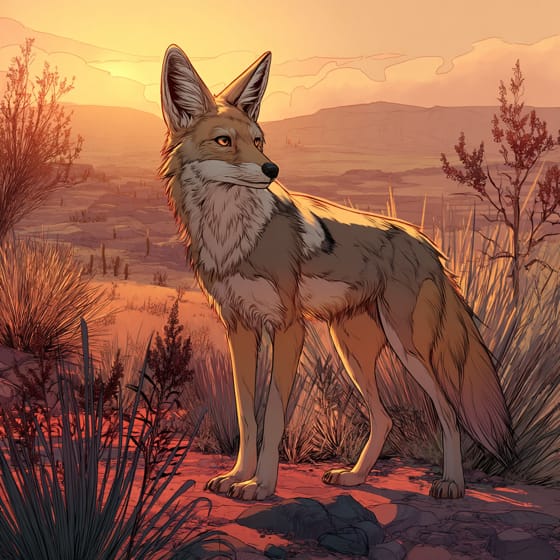
Canis latrans
An opportunistic predator, though wary of their spray.
Gryllus assimilis
Forages for crickets and other insects in the soil.

Cylindropuntia imbricata
Consumes the fruit for hydration and nutrients.
Peludo describe a los animales que poseen una cubierta densa de pelo o pelaje suave.
Los animales solitarios viven solos durante la mayor parte de su vida y solo interactúan con otros para aparearse o cuidar de sus crías.
Este rasgo identifica organismos cuya dieta incluye tanto materia vegetal como animal.
Los animales excavadores cavan túneles y cámaras en el suelo y utilizan estas estructuras subterráneas para refugiarse, cazar o reproducirse.

Este rasgo identifica a los organismos cuya dieta consiste principalmente en insectos y otros pequeños invertebrados.

Los hábitats de pastizales son biomas terrestres dominados por pastos y plantas herbáceas, que sustentan a una variedad de animales de pastoreo.

Los animales nocturnos están principalmente activos durante la noche, y suelen descansar o dormir durante el día.
Peligro
2/5 · Bajo
If you see a skunk, it's best to stay back and watch quietly. They can spray if they feel scared!
35-95 cm
1.1-4.5 kg
3-5 años
12 km/h
This skunk is an omnivore, mostly munching on insects but also enjoying plants and small animals.
Grasslands
Foraging
2-6
Acércate para separar los grupos y explorar dónde se ha fotografiado este objeto.
Los snaps recientes aparecerán aquí a medida que se añadan nuevas observaciones.




.jpg&width=800)











