






American Nursery Web Spider
Pisaurina mira
The American Nursery Web Spider is a friendly spider that likes to live in gardens and fields. It has long legs and can be spotted easily as it hunts for insects to eat.
Hábitat: Gardens and fields
The American Nursery Web Spider has a slender, pale brown to gray body, often with a distinctive dark stripe running down its back. Its long, spiny legs extend radially, giving it a somewhat crab-like appearance. Unlike web-building spiders, it lacks prominent spinnerets for large capture webs.
Categoría
InsectosRareza
Common
Peligro
1/5 · Muy bajo
Snaps
¡Sé la primera persona en hacer un snap!
A mother spider guards her silk nursery tent until her babies emerge!
Female spiders carry their large egg sac in their mouthparts until it's time!
They can sprint across water to catch insects or escape predators!
Unlike most spiders, they don't use webs to catch their meals!
American Nursery Web Spider can blend perfectly into vegetation because of its camouflaged body, helping them ambush prey undetected.
American Nursery Web Spider can create a protective silk tent for its eggs and newly hatched young, safeguarding them from predators.
American Nursery Web Spider has specialized leg hairs that allow it to skim across the surface of water, helping it hunt aquatic insects.
American Nursery Web Spider can rapidly chase and pounce on unsuspecting insects because of its keen eyesight and swift legs.
These spiders are predators that hunt a variety of small insects and other invertebrates.
Turdus migratorius
a common bird predator
Vespula vulgaris
some wasps can prey on spiders
Acheta domesticus
a common prey item
Musca domestica
a swift airborne insect prey
Los animales solitarios viven solos durante la mayor parte de su vida y solo interactúan con otros para aparearse o cuidar de sus crías.
Este rasgo caracteriza a los organismos que construyen elaboradas telarañas de seda para atrapar presas, refugiarse o reproducirse.
El camuflaje describe a los organismos que poseen colores o patrones que les permiten mezclarse con su entorno.
Este rasgo identifica a los organismos cuya dieta consiste principalmente en insectos y otros pequeños invertebrados.

Los hábitats de pastizales son biomas terrestres dominados por pastos y plantas herbáceas, que sustentan a una variedad de animales de pastoreo.

Los animales diurnos están activos principalmente durante el día y suelen descansar o dormir por la noche.

Este rasgo identifica a los organismos que exhiben una rapidez excepcional en sus movimientos para cazar, escapar o desplazarse.
Todavía no hay alias listados.
Peligro
1/5 · Muy bajo
Spiders are usually not dangerous, but it's best to watch them from a distance.
10-16 mm
365-730 días
These spiders are predators that hunt a variety of small insects and other invertebrates.
Gardens and fields
Pursuit
8
Acércate para separar los grupos y explorar dónde se ha fotografiado este objeto.
Los snaps recientes aparecerán aquí a medida que se añadan nuevas observaciones.
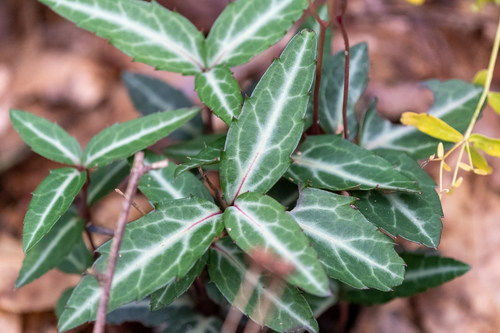
Virginia, US
Puedes ver Striped Wintergreen, Christmas Fern y Autumn Olive.
Ver guía →

Pennsylvania, US
Puedes ver Partridgeberry, Tsuga Del Canadá y Haya Americana.
Ver guía →
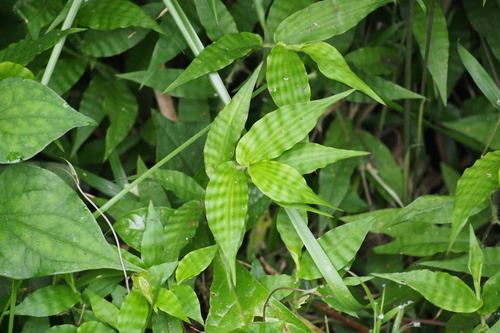
Virginia, US
Puedes ver Wavyleaf Basketgrass, Asian Jumpseed y Dekay's Brownsnake.
Ver guía →















